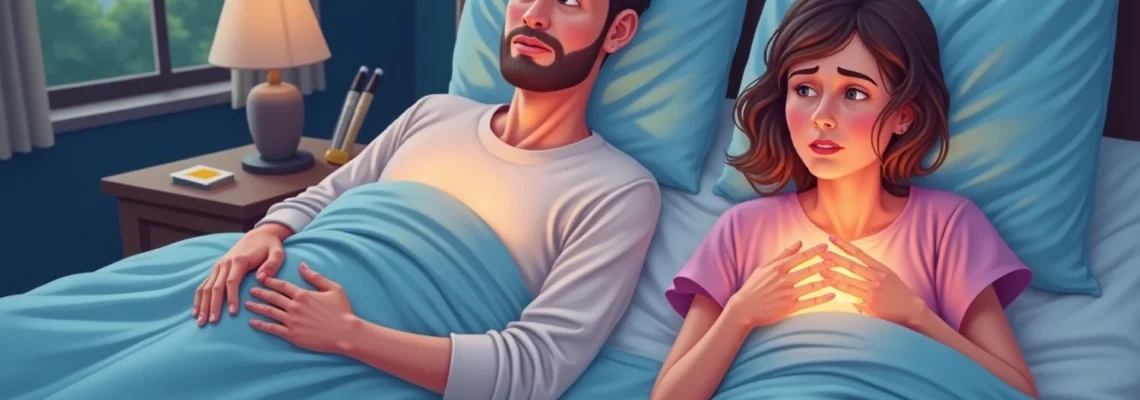
Nocturnal numbness affecting the fourth and fifth digits represents one of the most frequently encountered peripheral nerve complaints in clinical practice. This distinctive pattern of sensory disturbance, characterised by paraesthesia in the pinky and ring fingers during sleep, stems from several interconnected anatomical and physiological mechanisms that affect nerve conduction pathways. Understanding these underlying causes proves essential for both prevention and effective management of this troublesome condition that can significantly impact sleep quality and daily function.
The anatomy of the upper extremity creates specific vulnerabilities that predispose certain nerve pathways to compression during recumbent positioning. Unlike daytime activities where movement and position changes naturally relieve pressure on neural structures, prolonged static positioning during sleep allows sustained compression to develop, leading to characteristic symptoms that often awaken individuals from their rest.
Ulnar nerve compression: primary cause of fourth and fifth digit paraesthesia
The ulnar nerve serves as the primary neural pathway responsible for sensory innervation to the medial aspect of the hand, including the entire fifth digit and the medial half of the fourth digit. This nerve originates from the C8 and T1 nerve roots, travels through the brachial plexus, and follows a distinctive course down the arm that creates multiple potential sites for compression. The unique anatomical pathway of the ulnar nerve makes it particularly susceptible to entrapment during sleep, especially when certain positioning factors combine to create sustained pressure on vulnerable segments.
Ulnar nerve compression manifests most commonly through two distinct anatomical locations: the cubital tunnel at the elbow and Guyon’s canal at the wrist. Each location presents unique mechanical challenges that become exacerbated during nocturnal positioning. The nerve’s relatively superficial course at both sites means that external pressure from body weight, pillow placement, or arm positioning can readily compromise neural function, leading to the characteristic numbness pattern that affects the lateral two digits.
Cubital tunnel syndrome mechanisms during recumbent position
The cubital tunnel represents the most common site of ulnar nerve entrapment, occurring at the medial epicondyle of the humerus where the nerve passes through a fibro-osseous tunnel formed by bone and overlying ligamentous structures. During sleep, prolonged elbow flexion significantly narrows this tunnel space, creating a mechanical compression that impedes normal nerve conduction. The tunnel’s dimensions can decrease by up to 55% when the elbow flexes beyond 90 degrees, a position frequently assumed during sleep.
Sleep positioning exacerbates cubital tunnel compression through multiple mechanisms. When individuals sleep on their sides with arms tucked beneath pillows or folded against the chest, sustained elbow flexion combines with external pressure to create a perfect storm for nerve compression. The medial collateral ligament tightens during flexion, further reducing available space within the tunnel. Additionally, the ulnar nerve undergoes significant elongation during elbow flexion, increasing tension within an already narrowed space.
Guyon’s canal entrapment and nocturnal symptom manifestation
Guyon’s canal, located at the wrist between the pisiform and hamate bones, represents the second most common site of ulnar nerve compression affecting the fourth and fifth digits. This anatomical tunnel houses both the ulnar nerve and artery as they enter the hand, creating a confined space where swelling or external pressure can readily compromise nerve function. During sleep, wrist positioning plays a crucial role in determining canal dimensions and subsequent nerve compression risk.
Nocturnal symptoms from Guyon’s canal entrapment often result from sustained wrist flexion or extension that occurs during sleep positioning. When the wrist deviates from neutral alignment for extended periods, the canal’s cross-sectional area diminishes, placing direct pressure on the contained neural structures. This compression typically affects the deep motor branch and superficial sensory branch differently, potentially creating varied symptom patterns that may include pure sensory loss, motor weakness, or combined presentations.
Anatomical vulnerability of the ulnar nerve pathway
The ulnar nerve’s anatomical course creates inherent vulnerabilities that predispose it to compression-related injuries during sleep. Unlike the median nerve, which travels through relatively protected anatomical spaces, the ulnar nerve follows a more superficial pathway that places it at risk for external compression. At the elbow, the nerve lies directly posterior to the medial epicondyle with minimal soft tissue protection, making it susceptible to pressure from sleeping surfaces or arm positioning.
The nerve’s relatively fixed position at certain anatomical points compounds this vulnerability. Where the nerve passes through the cubital tunnel, it becomes tethered by surrounding ligamentous structures, preventing normal gliding movement that typically accommodates joint motion. This anatomical constraint means that elbow flexion during sleep creates significant mechanical stress on the nerve, potentially leading to both compression and traction injuries that manifest as numbness in the ulnar nerve distribution.
Prolonged elbow flexion and nerve impingement correlation
Research demonstrates a strong correlation between prolonged elbow flexion and the development of ulnar nerve symptoms, particularly during nocturnal hours when position changes occur less frequently. Studies utilising nerve conduction monitoring during sleep have shown that elbow flexion angles exceeding 90 degrees for periods longer than two hours significantly increase the likelihood of developing paraesthesia in the fourth and fifth digits.
The pathophysiology behind this correlation involves multiple factors beyond simple mechanical compression. Prolonged flexion creates ischaemic conditions within the nerve tissue, reducing oxygen and nutrient delivery to neural structures. Additionally, the mechanical stress of sustained flexion can trigger inflammatory responses within the tunnel, leading to tissue oedema that further compromises the already reduced space available for the nerve.
Thoracic outlet syndrome and cervical radiculopathy contributions
Thoracic outlet syndrome represents a complex condition involving compression of neurovascular structures as they traverse the thoracic outlet, the space between the clavicle and first rib. This anatomical region contains multiple potential compression sites, including the interscalene triangle, costoclavicular space, and retropectoralis minor space. When neural compression occurs within the thoracic outlet, symptoms can radiate distally to affect the hand and fingers, particularly those innervated by the lower trunk of the brachial plexus, which includes the ulnar nerve distribution.
Sleep positioning significantly influences thoracic outlet dimensions and the potential for neurovascular compression. Certain sleep postures, particularly those involving overhead arm positioning or compression of the shoulder girdle, can narrow the thoracic outlet spaces and precipitate symptoms. The relationship between thoracic outlet syndrome and nocturnal numbness in the fourth and fifth digits often presents a diagnostic challenge, as symptoms may overlap with more distal nerve compression syndromes.
Brachial plexus compression at the scalene triangle
The interscalene triangle, formed by the anterior and middle scalene muscles with the first rib as its base, represents the most proximal potential site of neural compression affecting the ulnar nerve distribution. Within this triangular space, the brachial plexus nerve trunks travel alongside the subclavian artery, creating an area where anatomical variations or muscle hypertrophy can lead to neurovascular compression. Sleep positioning that involves lateral neck flexion or shoulder depression can alter the dimensions of this space, potentially triggering symptoms.
Scalene muscle tension plays a crucial role in interscalene triangle compression during sleep. These accessory respiratory muscles often remain active during certain sleep stages, particularly during periods of sleep-disordered breathing or stress-related muscle tension. Sustained scalene muscle contraction narrows the triangle’s dimensions, creating compression forces that affect the lower trunk of the brachial plexus, which gives rise to the ulnar nerve.
C8-T1 nerve root irritation and dermatome distribution
Cervical radiculopathy affecting the C8 and T1 nerve roots can produce symptoms that closely mimic peripheral ulnar nerve compression, including numbness in the fourth and fifth digits. These nerve roots contribute significantly to the formation of the ulnar nerve through the medial cord of the brachial plexus. Irritation or compression of these nerve roots, whether from disc herniation, foraminal stenosis, or inflammatory conditions, can produce distally referred symptoms that present as nocturnal numbness.
The C8 dermatome encompasses the medial forearm and hand, including the fourth and fifth digits, whilst the T1 dermatome covers the medial arm and forearm. When these nerve roots experience irritation, the resulting symptoms often worsen during sleep due to positioning factors that increase neural tension or reduce foraminal space. Cervical extension or lateral flexion during sleep can exacerbate foraminal narrowing, leading to increased nerve root compression and subsequent distal symptoms.
Understanding the distinction between cervical radiculopathy and peripheral nerve compression requires careful evaluation of symptom distribution patterns and associated neurological findings.
Cervical spine positioning effects on neural conductivity
Cervical spine positioning during sleep significantly influences neural conductivity throughout the upper extremity, particularly affecting nerve roots that contribute to ulnar nerve formation. Poor cervical alignment, whether from inadequate pillow support or prolonged positioning in cervical extension or flexion, can create mechanical stress on nerve roots as they exit the intervertebral foramina. This mechanical stress manifests as reduced neural conductivity, leading to sensory disturbances in the corresponding dermatomes.
The concept of neural tension becomes particularly relevant when considering sleep positioning effects. The nervous system forms a continuous structure from the brain through the spinal cord to peripheral nerves, and positioning that creates excessive tension anywhere along this pathway can affect conductivity throughout the entire system. Cervical positioning that places the nerve roots under tension can therefore produce symptoms that present as peripheral nerve dysfunction, including numbness in the ulnar nerve distribution.
Vascular insufficiency and peripheral circulation disorders
Vascular insufficiency represents another significant contributing factor to nocturnal numbness affecting the fourth and fifth digits. The relationship between circulation and nerve function is intimate, as neural tissues require continuous oxygen and nutrient delivery to maintain normal conductivity. During sleep, various positioning factors can compromise vascular supply to the upper extremity, leading to ischaemic conditions that manifest as numbness and paraesthesia.
The ulnar artery, which travels alongside the ulnar nerve through Guyon’s canal, provides crucial blood supply to the medial aspect of the hand. Compression of this vessel, whether from sustained wrist positioning or external pressure, can create localised ischaemia that affects both vascular supply and nerve function. The phenomenon of compartment syndrome can develop acutely when sustained positioning creates sufficient pressure to compromise both arterial inflow and venous outflow within the confined spaces of the forearm or hand.
Sleep-related vascular insufficiency often results from positioning that creates sustained compression of major vessels supplying the upper extremity. The subclavian artery, as it passes through the thoracic outlet alongside neural structures, becomes vulnerable to compression from the same mechanical factors that affect nerve conduction. When vascular compression occurs, the resulting ischaemia can affect nerve function directly, creating symptoms that may be indistinguishable from primary nerve compression.
Peripheral circulation disorders, including conditions such as Raynaud’s phenomenon or peripheral arterial disease, can exacerbate nocturnal numbness symptoms. These conditions create baseline vascular compromise that becomes more pronounced during sleep when cardiac output naturally decreases and peripheral circulation slows. The combination of underlying vascular insufficiency and sleep-related positioning factors can create a synergistic effect that produces significant symptoms even with relatively minor compression forces.
The interdependence between vascular supply and nerve function means that addressing circulation issues often proves essential for resolving numbness complaints.
Sleep position biomechanics and nerve compression patterns
Sleep position biomechanics play a fundamental role in determining the likelihood and severity of nocturnal nerve compression affecting the fourth and fifth digits. Different sleep positions create unique patterns of pressure distribution, joint positioning, and tissue loading that can predispose specific neural pathways to compression. Understanding these biomechanical relationships proves essential for developing effective prevention strategies and therapeutic interventions.
The transition from wakeful mobility to sleep immobility creates a dramatic change in the mechanical environment surrounding peripheral nerves. During waking hours, frequent position changes and muscle activity provide natural decompression that prevents sustained pressure on neural structures. However, during sleep, the combination of muscle relaxation and prolonged static positioning allows compression forces to accumulate, particularly at anatomically vulnerable sites such as the cubital tunnel and Guyon’s canal.
Lateral decubitus position and brachial plexus loading
The lateral decubitus or side-lying position represents one of the most common sleep postures and creates specific loading patterns that can affect brachial plexus function. When sleeping on the side, the dependent shoulder experiences significant compression from body weight, while the position of the dependent arm determines the degree of neural tension and potential compression sites. The shoulder’s position relative to the torso influences thoracic outlet dimensions, whilst arm positioning affects more distal compression sites.
Research indicates that lateral sleep positioning with the dependent arm placed beneath the pillow or folded across the chest creates the highest risk for ulnar nerve compression. This positioning combines elbow flexion with sustained pressure from body weight, creating mechanical conditions that significantly compromise nerve function. The dependent shoulder also experiences compression forces that can affect the entire brachial plexus, potentially contributing to symptoms that extend beyond the ulnar nerve distribution.
Pillow height impact on cervical alignment and neural tension
Pillow height and configuration significantly influence cervical spine alignment during sleep, which in turn affects neural tension throughout the upper extremity. Excessive pillow height creates cervical lateral flexion that can compress nerve roots on the dependent side whilst stretching neural structures on the opposite side. Conversely, insufficient pillow support allows the cervical spine to fall into lateral flexion, creating similar but opposite effects on neural structures.
The concept of neutral cervical alignment becomes crucial when considering prevention strategies for nocturnal numbness. Proper pillow support maintains the cervical spine in alignment with the thoracic spine, minimising neural tension and preventing excessive compression forces on nerve roots. This alignment proves particularly important for preventing symptoms related to cervical radiculopathy that can mimic peripheral ulnar nerve compression.
Arm positioning under body weight and ischaemic compression
Arm positioning that places limb structures beneath body weight creates the most severe compression forces during sleep. When arms are positioned underneath the torso or head, the combination of sustained pressure and restricted mobility creates conditions conducive to both neural and vascular compression. These positioning patterns often develop unconsciously during sleep as individuals seek comfortable positions, but the resulting compression can produce significant symptoms.
The phenomenon of Saturday night palsy illustrates the extreme effects of sustained compression on peripheral nerves, though this condition typically affects the radial nerve rather than the ulnar nerve. However, similar mechanisms can affect the ulnar nerve when arm positioning creates sustained pressure on vulnerable anatomical sites. The key factor is the duration and magnitude of compression forces, with symptoms typically developing when compression exceeds the nerve’s tolerance for ischaemic conditions.
Prevention of compression-related symptoms requires conscious attention to sleep positioning habits and the use of supportive devices to maintain proper alignment.
Diagnostic approaches and nerve conduction assessment methods
Accurate diagnosis of nocturnal numbness affecting the fourth and fifth digits requires a comprehensive approach that combines clinical evaluation with objective testing methods. The diagnostic process must differentiate between various potential causes, including peripheral nerve compression, cervical radiculopathy, thoracic outlet syndrome, and vascular insufficiency. This differentiation proves crucial for developing appropriate treatment strategies that address the underlying pathophysiology rather than merely managing symptoms.
Nerve conduction studies represent the gold standard for objectively assessing peripheral nerve function and identifying specific sites of compression or injury. These electrophysiological tests measure the speed and amplitude of electrical impulses travelling along nerve pathways, providing quantitative data about nerve function. For ulnar nerve evaluation, studies typically assess conduction across the elbow and wrist, the two most common sites of compression affecting the fourth and fifth digits.
Clinical examination techniques provide essential information that guides further diagnostic testing and treatment planning. Specific provocative tests, such as the elbow flexion test for cubital tunnel syndrome or Tinel’s sign at Guyon’s canal, can help localise compression sites and assess symptom severity. The distribution pattern of numbness and the presence of associated motor weakness provide crucial diagnostic clues that help differentiate between various potential causes.
Advanced imaging techniques, including magnetic resonance neurography and ultrasound evaluation, offer additional diagnostic capabilities for assessing nerve compression syndromes. These imaging modalities can visualise neural structures directly and identify anatomical abnormalities that may contribute to compression. Ultrasound evaluation proves particularly useful for dynamic assessment of nerve movement and compression during different arm positions, providing insights into positioning-related symptoms.
Therapeutic interventions and nocturnal
positioning modifications
Therapeutic interventions for nocturnal numbness in the fourth and fifth digits encompass a comprehensive approach that addresses both the underlying pathophysiology and the specific mechanical factors contributing to nerve compression during sleep. Conservative treatment strategies form the foundation of management, with surgical intervention reserved for cases that fail to respond to non-operative measures or present with progressive neurological deficits. The selection of appropriate therapeutic interventions requires careful consideration of the specific compression site, symptom severity, and individual patient factors that may influence treatment outcomes.
Nocturnal positioning modifications represent the most fundamental and often most effective intervention for preventing sleep-related nerve compression. These modifications focus on maintaining neutral joint positioning, reducing external pressure on vulnerable nerve pathways, and promoting optimal spinal alignment throughout the sleep cycle. The key principle underlying these interventions is the creation of a sleep environment that minimises mechanical stress on neural structures whilst maintaining comfort and sleep quality.
Splinting and orthotic interventions provide external support to maintain joints in positions that minimise nerve compression during sleep. Elbow splints designed to prevent excessive flexion prove particularly effective for cubital tunnel syndrome, maintaining the elbow in 30-45 degrees of flexion to optimise cubital tunnel dimensions. Wrist splints that maintain neutral wrist positioning can address Guyon’s canal compression whilst also preventing excessive flexion or extension that may exacerbate symptoms. These devices require careful fitting and gradual adaptation to ensure patient tolerance and compliance.
Ergonomic sleep surface modifications play a crucial role in reducing compression forces during sleep. Memory foam mattress toppers and pressure-relieving surfaces help distribute body weight more evenly, reducing concentrated pressure points that may affect neural structures. Specialised pillows designed to maintain cervical alignment whilst accommodating arm positioning can address both cervical radiculopathy and peripheral nerve compression simultaneously. The integration of these modifications requires individualised assessment to ensure optimal outcomes.
Successful therapeutic intervention requires a multimodal approach that addresses positioning, support, and underlying contributing factors to achieve lasting symptom relief.
Physical therapy interventions target both symptom management and prevention of recurrence through nerve mobilisation techniques, strengthening exercises, and postural education. Nerve gliding exercises help restore normal neural mobility and reduce adhesions that may contribute to compression symptoms. Progressive strengthening of the intrinsic hand muscles and forearm musculature helps maintain optimal biomechanics and reduces the likelihood of compression-related symptoms. Patient education regarding proper sleep positioning and awareness of symptom triggers forms an essential component of comprehensive physical therapy management.
Pharmacological interventions may provide symptomatic relief whilst allowing time for conservative measures to take effect. Anti-inflammatory medications can address inflammatory components of nerve compression, whilst neuropathic pain medications such as gabapentin or pregabalin may help manage associated discomfort. Topical preparations containing capsaicin or local anaesthetics can provide targeted relief with minimal systemic effects. The judicious use of corticosteroid injections at specific compression sites may offer temporary relief in selected cases, though these interventions carry inherent risks and should be carefully considered.
Advanced therapeutic interventions include surgical decompression procedures when conservative measures fail to provide adequate relief or when progressive neurological deficits develop. Cubital tunnel release involves division of the ligamentous roof overlying the cubital tunnel, whilst ulnar nerve transposition may be necessary in cases with severe compression or anatomical variations. Guyon’s canal release addresses compression at the wrist level through division of the overlying ligamentous structures. These surgical interventions require careful patient selection and thorough preoperative evaluation to optimise outcomes and minimise complications.
Long-term management strategies focus on lifestyle modifications that reduce the risk of symptom recurrence and promote optimal nerve health. Regular position changes during sleep, achieved through conscious habit formation or assistive devices, help prevent sustained compression. Maintenance of optimal body weight reduces pressure on neural structures, whilst regular exercise promotes circulation and overall neuromuscular health. Workplace ergonomic modifications may be necessary to address contributory factors that exacerbate nocturnal symptoms, creating a comprehensive approach to nerve compression prevention.
The prognosis for nocturnal numbness affecting the fourth and fifth digits is generally favourable when appropriate interventions are implemented early in the symptom course. Conservative measures achieve symptom resolution in the majority of cases, particularly when positioning modifications and splinting interventions are consistently applied. However, cases with prolonged symptom duration or evidence of motor involvement may require more aggressive intervention and have a less predictable recovery course. Regular monitoring and adjustment of treatment strategies ensure optimal outcomes and prevent progression to irreversible neurological deficits that could significantly impact hand function and quality of life.