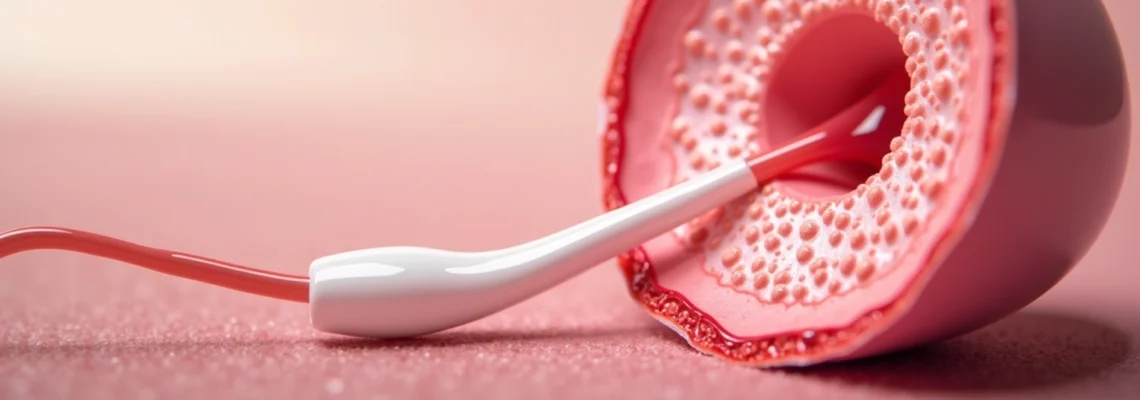
The Mirena intrauterine system (IUS) presents a paradox in contraceptive medicine: whilst specifically licensed for treating heavy menstrual bleeding, it can initially cause the very condition it’s designed to resolve. Understanding why this highly effective hormonal device sometimes triggers increased menstrual flow requires examining the complex interplay between levonorgestrel release, endometrial adaptation, and the body’s natural hormonal cycles. This counterintuitive effect affects approximately 20% of users during the first three to six months post-insertion, creating concern amongst both patients and healthcare providers. The mechanism behind Mirena-induced heavy bleeding involves intricate physiological processes that fundamentally alter uterine function at the cellular level.
Mirena IUS mechanism and Levonorgestrel-Induced endometrial changes
The Mirena intrauterine system delivers levonorgestrel, a synthetic progestogen, directly into the uterine cavity at an initial release rate of approximately 20 micrograms per day. This localised hormone delivery system represents a sophisticated approach to contraception and therapeutic intervention, yet the very mechanism that makes it effective can initially destabilise menstrual patterns. The device’s T-shaped framework positions the hormone reservoir optimally within the uterine cavity, ensuring consistent exposure of endometrial tissue to progestogenic influences.
Progestogenic effects on endometrial vascularisation patterns
Levonorgestrel exerts profound effects on endometrial vascular architecture, fundamentally altering the blood supply networks that support menstrual function. The hormone induces vasoconstriction of spiral arteries whilst simultaneously promoting the development of fragile, superficial capillary networks. These newly formed vessels lack the structural integrity of normal endometrial vasculature, making them prone to spontaneous rupture and irregular bleeding episodes. The transformation of vascular patterns occurs gradually, with initial destabilisation often manifesting as unpredictable bleeding before eventual stabilisation occurs.
Localized hormone release and uterine tissue response
The concentrated delivery of levonorgestrel creates hormone gradients within the uterine environment that can trigger disparate responses across different endometrial regions. Areas closest to the device experience higher hormone concentrations, leading to rapid endometrial suppression, whilst peripheral zones may initially maintain relatively normal cyclical activity. This differential response pattern contributes to irregular shedding patterns and breakthrough bleeding episodes. The localised nature of hormone delivery means that systemic hormone levels remain relatively low, yet the direct endometrial exposure creates dramatic tissue-level changes that can disrupt normal menstrual physiology.
Disruption of normal menstrual cycle physiology
Natural menstrual cycles depend on coordinated hormonal fluctuations between oestrogen and progesterone, creating predictable patterns of endometrial proliferation and shedding. The continuous release of levonorgestrel from the Mirena device disrupts this delicate balance by providing constant progestogenic stimulation without the cyclical variation necessary for normal menstruation. This hormonal override can initially confuse the body’s natural regulatory mechanisms, leading to erratic bleeding patterns as the endometrium attempts to respond to conflicting signals. The adaptation period varies significantly between individuals, with some experiencing resolution within weeks whilst others may require several months for stabilisation.
Initial insertion trauma and inflammatory cascade activation
The physical insertion procedure itself triggers an inflammatory response within the uterine environment that can contribute to early bleeding episodes. Mechanical trauma to cervical and endometrial tissues activates inflammatory cascades, increasing vascular permeability and promoting the release of inflammatory mediators. These substances can enhance bleeding tendencies and contribute to the irregular patterns observed during the initial adaptation period. The inflammatory response typically subsides within the first few weeks post-insertion, but during this critical period, it can exacerbate other factors contributing to abnormal bleeding patterns.
Breakthrough bleeding pathophysiology in mirena users
Breakthrough bleeding in Mirena users represents a complex pathophysiological phenomenon that differs fundamentally from normal menstrual bleeding. Unlike cyclical menstruation driven by hormonal fluctuations, breakthrough bleeding results from endometrial instability caused by continuous progestogenic exposure. This type of bleeding typically manifests as unpredictable spotting or light bleeding episodes that occur outside the expected menstrual timeframe, creating significant inconvenience and anxiety for users.
Irregular endometrial shedding and atrophic changes
Continuous levonorgestrel exposure induces progressive endometrial atrophy, yet this process occurs unevenly across the uterine surface. Some areas undergo rapid thinning whilst others may temporarily maintain thickness, creating an irregular endometrial landscape prone to spontaneous shedding. This patchy atrophy pattern explains why breakthrough bleeding episodes often vary in intensity and duration. The endometrial glands undergo progressive suppression, losing their normal secretory capacity and structural integrity, which compromises the tissue’s ability to maintain stable architecture between shedding episodes.
Fragile capillary networks and microhaemorrhage formation
As endometrial atrophy progresses under levonorgestrel influence, the supporting vascular networks become increasingly fragile and prone to microhaemorrhage formation. These delicate vessels lack adequate structural support due to reduced stromal density and altered extracellular matrix composition. Minor physical activities, hormonal fluctuations, or even mechanical pressure from the device itself can trigger small bleeding episodes. The reduced endometrial thickness means these fragile vessels lie closer to the surface, making them more susceptible to disruption and more likely to contribute to visible bleeding symptoms.
The endometrial response to continuous progestogenic stimulation creates a paradoxical situation where the very mechanism designed to reduce bleeding can initially increase it through vascular instability.
Oestrogen-progestogen imbalance and bleeding episodes
Despite the localised delivery of levonorgestrel, systemic oestrogen production continues relatively unchanged in most users, creating a hormonal imbalance that can trigger breakthrough bleeding. This oestrogen-progestogen disparity can stimulate endometrial proliferation in some areas whilst simultaneously promoting atrophy in others. The resulting hormonal confusion contributes to unpredictable bleeding patterns that characterise the early adaptation period. Individual variations in hormone metabolism and receptor sensitivity mean that some women experience more pronounced imbalances than others, explaining the wide variation in bleeding experiences amongst Mirena users.
Endometrial instability during initial adaptation phase
The first three to six months following Mirena insertion represent a critical adaptation period during which the endometrium undergoes fundamental restructuring. This transition phase is characterised by cellular remodelling, altered gene expression patterns, and progressive morphological changes that collectively contribute to bleeding irregularities. The endometrium essentially needs to develop a new steady state under continuous progestogenic influence, and this process inevitably involves periods of instability. Understanding this adaptation phase helps explain why patience is often required during the initial months of use, as the endometrial tissue gradually acclimates to its new hormonal environment.
Clinical timeframes and heavy bleeding risk factors
Clinical evidence demonstrates that approximately 20% of Mirena users experience irregular bleeding during the first three months post-insertion, with this percentage decreasing significantly by the six-month mark. However, certain risk factors can predispose individuals to more severe or prolonged bleeding episodes during the adaptation period. Women with pre-existing heavy menstrual bleeding, those with uterine abnormalities such as fibroids, or individuals with bleeding disorders face higher risks of problematic bleeding patterns. Age also plays a significant role, with younger users more likely to experience breakthrough bleeding compared to perimenopausal women whose natural hormone levels are already declining.
The temporal pattern of bleeding typically follows a predictable trajectory, beginning with frequent spotting or light bleeding episodes during the first few weeks. This initial phase often gives way to more irregular patterns between months one and three, before gradually stabilising into lighter, less frequent episodes. Research indicates that 86% of users experience significant bleeding reduction by three months, increasing to 97% by twelve months post-insertion. Understanding these timeframes helps healthcare providers counsel patients appropriately and distinguish between normal adaptation responses and concerning pathological bleeding that may require intervention.
Research demonstrates that bleeding patterns in the first three months of Mirena use are broadly predictive of long-term bleeding experiences for many women.
Certain medical conditions can exacerbate bleeding tendencies during the Mirena adaptation period. Women with adenomyosis, endometriosis, or pelvic inflammatory disease may experience more pronounced bleeding irregularities due to underlying endometrial dysfunction. Additionally, concurrent medications such as anticoagulants or anti-inflammatory drugs can influence bleeding patterns and should be considered when evaluating abnormal bleeding in Mirena users. The presence of cervical or uterine infections at the time of insertion can also contribute to prolonged bleeding episodes and may require specific treatment interventions.
Differential diagnosis: Mirena-Related versus pathological bleeding
Distinguishing between expected Mirena-related bleeding and pathological bleeding that requires medical intervention represents a critical clinical challenge. Normal adaptation bleeding typically manifests as light, irregular spotting that gradually decreases over time, whilst pathological bleeding often presents with specific warning signs that warrant immediate evaluation. Healthcare providers must carefully assess bleeding patterns, duration, associated symptoms, and individual risk factors to determine appropriate management strategies.
Several red flag symptoms should prompt urgent medical evaluation in Mirena users experiencing abnormal bleeding. Heavy bleeding that soaks through a pad or tampon every hour for several consecutive hours, severe abdominal or pelvic pain, fever, or foul-smelling discharge may indicate complications such as device displacement, uterine perforation, or pelvic infection. Additionally, bleeding that occurs after a period of amenorrhea in established users, particularly when accompanied by pregnancy symptoms, requires immediate assessment to exclude ectopic pregnancy, which, whilst rare, can be life-threatening if left undiagnosed.
The timing of bleeding onset provides valuable diagnostic clues about its underlying cause. Bleeding that begins immediately following insertion and persists beyond six months often suggests device-related issues such as malposition or expulsion. Conversely, bleeding that develops after an initial period of normal function may indicate hormonal changes, medication interactions, or developing pathology unrelated to the device. Careful documentation of bleeding patterns, including timing, duration, volume, and associated symptoms, enables healthcare providers to make informed decisions about whether bleeding falls within expected parameters or requires further investigation.
Diagnostic evaluation of abnormal bleeding in Mirena users may include pelvic examination to confirm device position, ultrasound imaging to assess device placement and evaluate for structural abnormalities, and laboratory investigations to exclude anaemia, infection, or pregnancy. In some cases, endometrial biopsy may be necessary to rule out malignancy, particularly in women over 45 or those with specific risk factors for endometrial cancer. The comprehensive approach to evaluation ensures that serious conditions are not overlooked whilst avoiding unnecessary interventions for normal adaptation responses.
Evidence-based management strategies for Mirena-Associated menorrhagia
Management of Mirena-associated heavy bleeding requires a nuanced approach that balances the benefits of continued use against the impact of bleeding symptoms on quality of life. Evidence-based strategies focus on supportive measures during the adaptation period, with intervention reserved for cases where bleeding becomes unmanageable or persists beyond expected timeframes. The primary goal is to help patients navigate the initial months whilst maintaining confidence in the device’s long-term benefits for both contraception and menstrual control.
Conservative management approaches include patient education about expected bleeding patterns, iron supplementation to prevent anaemia, and symptomatic relief measures such as anti-inflammatory medications for associated cramping. Non-steroidal anti-inflammatory drugs (NSAIDs) such as ibuprofen or mefenamic acid can help reduce bleeding volume whilst providing pain relief, making them valuable tools during the adaptation period. These medications work by inhibiting prostaglandin synthesis, which can help stabilise endometrial vasculature and reduce bleeding intensity.
Hormonal interventions may be considered for women experiencing particularly troublesome bleeding during the adaptation period. Short courses of combined oral contraceptives or cyclical progestogen can help regulate bleeding patterns whilst allowing the Mirena to establish its therapeutic effect. However, these interventions should be used judiciously and for limited periods to avoid interfering with the device’s mechanism of action. Some healthcare providers may also consider tranexamic acid, an antifibrinolytic agent that can significantly reduce menstrual blood loss, though its use requires careful monitoring for contraindications.
Clinical trials demonstrate that 9 out of 10 women experience significant reduction in menstrual blood loss with continued Mirena use, making patience during the adaptation period worthwhile for most users.
Device removal remains an option for women who cannot tolerate the bleeding side effects despite supportive measures, though this decision should be made carefully considering the long-term benefits of the system. Before proceeding with removal, healthcare providers should ensure that adequate time has been allowed for adaptation and that alternative explanations for abnormal bleeding have been excluded. For women who choose removal due to bleeding issues, alternative contraceptive methods with different bleeding profiles should be discussed, including other hormonal options or non-hormonal alternatives such as copper IUDs.
Long-term monitoring strategies for Mirena users should include regular assessment of bleeding patterns, anaemia screening, and evaluation for device-related complications. Most women who persist through the initial adaptation period experience significant improvements in their bleeding patterns, with many achieving amenorrhea or very light menstrual flows. This dramatic reduction in menstrual blood loss can provide substantial benefits for women with iron deficiency anaemia, heavy periods, or conditions such as adenomyosis or endometriosis where menstrual suppression offers therapeutic advantages beyond contraception.