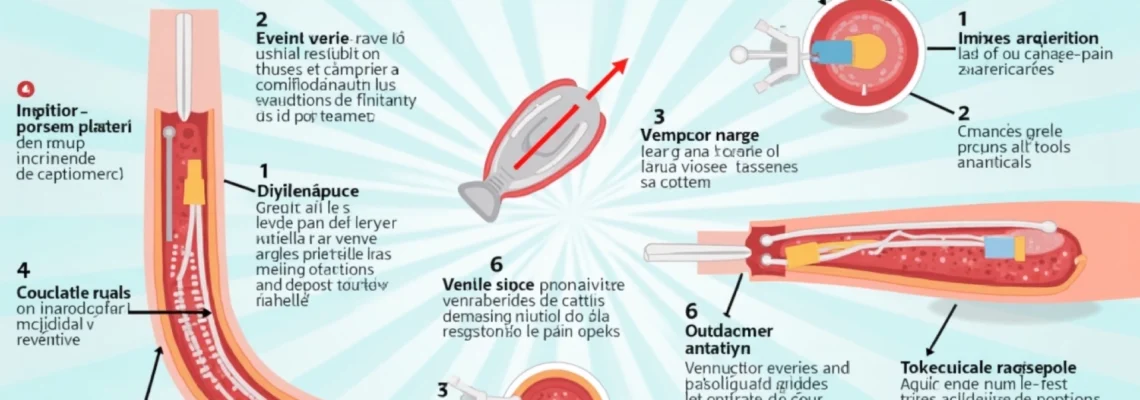
Intravenous cannulation, whilst a routine medical procedure, can cause significant discomfort for patients across healthcare settings. The pain experienced during IV insertion stems from a complex interplay of anatomical, physiological, and technical factors that healthcare professionals must understand to optimise patient comfort. From the initial needle penetration through skin and subcutaneous tissue to the mechanical trauma inflicted upon delicate venous structures, multiple pain pathways become activated during this seemingly straightforward procedure.
Understanding why IVs cause pain requires examining the intricate relationship between human anatomy, medical equipment design, and individual patient variables. The experience of IV-related discomfort varies dramatically between patients, influenced by factors ranging from venous architecture to pain threshold variations. Modern healthcare practices increasingly recognise that minimising procedural pain not only improves patient satisfaction but also contributes to better clinical outcomes and reduced anxiety during medical interventions.
Anatomical factors contributing to intravenous cannulation discomfort
Venous wall thickness variations and nociceptor density
The structural composition of peripheral veins plays a crucial role in determining the intensity of pain experienced during cannulation. Venous walls contain varying densities of nociceptors—specialised nerve endings responsible for detecting potentially harmful stimuli. These pain receptors are particularly concentrated around the adventitia, the outermost layer of the vein wall, where they serve as protective mechanisms against vascular injury.
Peripheral veins in commonly accessed areas such as the dorsum of the hand and forearm exhibit different wall thicknesses ranging from 0.5 to 1.5 millimetres. Thinner-walled veins typically contain higher concentrations of nerve endings per unit area , making them more sensitive to mechanical disruption during needle insertion. This anatomical variation explains why certain IV sites consistently produce more discomfort than others, even when identical insertion techniques are employed.
Peripheral nerve distribution around common IV sites
The distribution of sensory nerves around frequently used cannulation sites significantly influences pain perception during IV insertion. The dorsal aspect of the hand, supplied by branches of the radial and ulnar nerves, contains numerous superficial nerve endings that lie in close proximity to accessible veins. When cannulas are inserted in these areas, the likelihood of inadvertently stimulating cutaneous nerve branches increases substantially.
The antecubital fossa, whilst offering larger target veins, presents its own neurological challenges. The lateral antebrachial cutaneous nerve and medial antebrachial cutaneous nerve provide sensory innervation to this region, creating potential for significant discomfort if nerve branches are disturbed during cannulation attempts. Understanding these anatomical relationships enables healthcare providers to select insertion sites that minimise nerve irritation whilst maintaining venous access reliability.
Vessel diameter impact on cannula insertion resistance
Vein diameter directly correlates with the mechanical resistance encountered during cannula insertion, subsequently affecting pain intensity. Smaller peripheral veins, typically measuring 2-4 millimetres in diameter, offer greater resistance to cannula advancement due to the tighter fit between the catheter and vessel lumen. This increased resistance requires greater insertion force, potentially causing more extensive tissue trauma and heightened pain responses.
Conversely, larger veins such as those found in the antecubital region accommodate cannulas more readily, reducing mechanical trauma during insertion. However, these larger vessels often lie deeper beneath the skin surface, requiring longer needle penetration through pain-sensitive subcutaneous tissues. The trade-off between vessel accessibility and insertion trauma represents a fundamental challenge in achieving comfortable venous access .
Subcutaneous tissue sensitivity in antecubital fossa
The subcutaneous tissue composition surrounding common IV sites varies considerably in both depth and sensitivity. The antecubital fossa contains a particularly dense network of pain receptors within its subcutaneous layer, making needle passage through this region potentially more uncomfortable despite the presence of larger, more accessible veins.
Adipose tissue distribution also influences pain perception, as needles must traverse varying depths of subcutaneous fat before reaching target vessels. Patients with minimal subcutaneous tissue may experience more direct nerve stimulation, whilst those with abundant adipose tissue may require deeper needle insertion, prolonging tissue trauma. These anatomical variations necessitate individualised approaches to cannulation technique and site selection.
Cannulation technique variables affecting patient pain perception
Needle gauge selection and tissue trauma correlation
The relationship between needle gauge and tissue trauma directly impacts the pain experienced during IV insertion. Larger gauge needles, whilst enabling more rapid fluid administration, create proportionally larger tissue defects during insertion. A 14-gauge needle creates a puncture wound approximately 2.1 millimetres in diameter, compared to 0.9 millimetres for a 22-gauge needle—representing a more than four-fold difference in tissue disruption.
Healthcare providers must balance clinical requirements for flow rates against patient comfort considerations when selecting appropriate needle gauges. Research indicates that using the smallest gauge needle compatible with treatment requirements can reduce insertion pain by up to 40% without compromising therapeutic efficacy. This principle becomes particularly important in paediatric and elderly populations, where tissue fragility amplifies trauma-related discomfort.
Insertion angle optimisation for minimised discomfort
The angle of needle insertion significantly influences both insertion success rates and associated pain levels. Optimal insertion angles typically range between 15-30 degrees relative to the skin surface, depending upon vessel depth and accessibility. Steeper angles increase the risk of posterior wall puncture whilst also creating more extensive tissue tunnelling, both of which contribute to heightened discomfort.
Shallow insertion angles, whilst potentially more comfortable, may result in inadequate vessel penetration or catheter threading difficulties. The challenge lies in achieving an angle that ensures reliable venous access whilst minimising tissue trauma. Experienced practitioners develop an intuitive understanding of how anatomical variations should influence angle selection, leading to more comfortable insertion experiences for their patients.
Venipuncture speed and pain signal transmission
The velocity of needle insertion affects pain perception through its influence on nerve signal transmission and tissue response. Rapid needle insertion can overwhelm fast-conducting A-delta pain fibres, potentially reducing initial sharp pain sensations. However, excessively fast insertion may increase tissue trauma and subsequent inflammatory responses, leading to prolonged discomfort.
Controlled insertion speeds of approximately 2-3 millimetres per second appear to optimise the balance between minimising acute pain and preventing excessive tissue damage. This moderate pace allows for precise needle control whilst avoiding the tissue tearing that can occur with overly aggressive insertion techniques . Training programmes increasingly emphasise the importance of consistent, measured insertion speeds as a component of patient-centred care.
Multiple puncture attempts and cumulative tissue damage
Failed cannulation attempts create cumulative tissue damage that progressively increases patient discomfort and anxiety. Each unsuccessful puncture contributes to local inflammation, tissue oedema, and sensitisation of pain receptors in the target area. Studies indicate that pain scores increase exponentially with successive attempts, often reaching intolerable levels after three failed insertions.
The psychological impact of multiple attempts cannot be understated, as anticipatory anxiety amplifies pain perception during subsequent insertion efforts. Healthcare policies increasingly mandate practitioner rotation or senior intervention after predetermined numbers of failed attempts, recognising that persistence by a single operator often proves counterproductive for both patient comfort and procedural success.
Tourniquet pressure duration and ischaemic pain response
Extended tourniquet application creates ischaemic conditions that generate distinct pain sensations independent of needle insertion trauma. Prolonged venous occlusion beyond three minutes triggers anaerobic metabolism in affected tissues, leading to lactate accumulation and activation of chemosensitive nociceptors. This ischaemic pain compounds the discomfort associated with needle insertion itself.
Optimal tourniquet management involves applying sufficient pressure to achieve venous distension whilst minimising ischaemic duration. Modern practice guidelines recommend tourniquet removal immediately following successful cannula placement rather than maintaining occlusion throughout the entire procedure. This approach reduces overall patient discomfort whilst maintaining adequate venous visualisation for accurate needle placement .
Equipment design factors influencing IV insertion pain
Contemporary IV catheter design has evolved significantly to address patient comfort concerns whilst maintaining clinical effectiveness. Modern cannulas incorporate bevelled needle tips engineered to create clean tissue incisions rather than the tissue tearing associated with older designs. These precision-ground tips require less insertion force and create more predictable tissue damage patterns, contributing to reduced pain levels during insertion.
Catheter material composition also influences patient comfort throughout the insertion process and subsequent IV therapy duration. Newer polyurethane and silicone-based catheters exhibit greater flexibility compared to traditional PVC materials, reducing vascular irritation and associated discomfort. The improved biocompatibility of these advanced materials decreases inflammatory responses that contribute to ongoing pain following successful cannulation.
Needle sharpness represents another critical design parameter affecting insertion pain. Manufacturing processes that maintain consistent cutting edge geometry ensure clean tissue penetration with minimal force requirements. Precision-manufactured needles can reduce insertion force requirements by up to 25% compared to standard alternatives , translating directly into improved patient comfort scores during cannulation procedures.
Safety features integrated into modern IV systems, whilst primarily designed for healthcare worker protection, can inadvertently affect patient comfort. Retractable needle mechanisms and safety shields occasionally interfere with smooth catheter advancement, potentially creating jerky insertion motions that increase patient discomfort. Balancing safety requirements with optimal insertion characteristics remains an ongoing challenge for medical device manufacturers.
Physiological pain pathways during intravenous access
Nociceptor activation through mechanical stimulation
The process of IV insertion activates multiple types of nociceptors through various mechanical stimulation mechanisms. Mechanosensitive nociceptors respond to tissue deformation caused by needle penetration, whilst polymodal nociceptors react to both mechanical trauma and chemical mediators released during tissue damage. Understanding these activation pathways helps explain why IV insertion pain exhibits both immediate and delayed components.
High-threshold mechanoreceptors require significant tissue deformation before triggering pain signals, explaining why gentle skin penetration may initially feel tolerable before intensifying as deeper tissues are accessed. The sequential activation of different nociceptor populations creates the characteristic progression from initial sharpness to deeper aching sensations experienced during IV insertion procedures.
A-delta and C-Fibre pain signal processing
Two distinct types of pain-conducting nerve fibres contribute to the complex sensory experience of IV insertion. Myelinated A-delta fibres transmit rapid, sharp pain sensations that characterise initial needle penetration, whilst unmyelinated C-fibres carry slower, burning or aching pain signals associated with tissue trauma and inflammation.
The temporal relationship between these two pain pathway activations explains why IV insertion pain evolves from initial sharp discomfort to more prolonged aching sensations. A-delta fibre signals reach the central nervous system within milliseconds of tissue damage, whilst C-fibre transmission may take several seconds to manifest . This physiological understanding enables healthcare providers to prepare patients for the expected progression of sensations during cannulation.
Gate control theory application in IV discomfort
The gate control theory of pain provides valuable insights into why certain techniques can modify IV insertion discomfort. Non-painful tactile stimulation of the skin surrounding the insertion site can activate large-diameter A-beta fibres, which subsequently inhibit pain signal transmission at the spinal cord level. This mechanism explains the effectiveness of gentle skin rubbing or vibration techniques in reducing cannulation discomfort.
Practical applications of gate control principles include pre-insertion skin preparation techniques and distraction methods that engage competing sensory pathways. Cold application prior to needle insertion activates thermoreceptors that can modulate pain perception, whilst topical anaesthetics provide chemical interruption of nociceptor function. These interventions demonstrate how understanding pain physiology can inform evidence-based comfort strategies.
Inflammatory cascade response to cannula insertion
Tissue trauma associated with IV insertion triggers a complex inflammatory cascade that contributes to both immediate and delayed pain responses. Damaged cells release prostaglandins, histamine, and other inflammatory mediators that sensitise nociceptors and promote continued pain signalling even after the initial mechanical stimulus has ceased.
The inflammatory response also increases vascular permeability, leading to localised swelling that can compress nerve endings and perpetuate discomfort. Understanding these processes helps explain why some patients experience prolonged discomfort following IV insertion and why anti-inflammatory interventions may prove beneficial for managing post-procedural pain. The duration and intensity of inflammatory responses vary significantly between individuals, influenced by factors including age, health status, and genetic predisposition .
Patient-specific variables affecting IV pain intensity
Individual patient characteristics significantly influence the pain experienced during IV cannulation, creating substantial variation in comfort levels even when identical techniques and equipment are employed. Age-related changes in skin elasticity, nerve function, and pain perception create distinct challenges across different patient populations. Paediatric patients exhibit heightened pain sensitivity due to immature pain modulation systems, whilst elderly patients may experience altered pain perception related to age-associated neurological changes.
Previous medical experiences profoundly impact anticipatory anxiety and subsequent pain perception during IV procedures. Patients with negative historical experiences often exhibit heightened stress responses that amplify pain signals through psychological mechanisms. Studies demonstrate that patients reporting previous traumatic medical procedures experience up to 60% higher pain scores during subsequent cannulation attempts , highlighting the importance of addressing psychological as well as physiological comfort factors.
Chronic health conditions influence pain sensitivity through multiple pathways, including altered nerve function, medication effects, and systemic inflammatory states. Diabetic patients frequently experience peripheral neuropathy that can paradoxically either increase or decrease sensation at potential IV sites. Cancer patients undergoing chemotherapy may develop treatment-induced neuropathy that affects pain perception, whilst patients with chronic pain conditions often exhibit central sensitisation that amplifies all nociceptive inputs.
Gender differences in pain perception represent another significant variable affecting IV insertion comfort. Research consistently demonstrates that female patients report higher pain scores during medical procedures, potentially related to hormonal influences on pain processing pathways. These differences extend beyond simple pain threshold variations to include distinct patterns of nerve sensitivity and inflammatory responses that affect both acute and chronic pain experiences.
Cultural and linguistic factors can substantially influence pain expression and management expectations during IV procedures. Patients from different cultural backgrounds may exhibit varying pain tolerance levels and communication styles that affect healthcare providers’ ability to assess and respond to discomfort. Effective cross-cultural pain management requires understanding these diverse perspectives whilst maintaining consistent standards of care across all patient populations.
Clinical evidence from pain assessment studies in IV therapy
Systematic research into IV insertion pain has revealed important insights that guide contemporary clinical practice. Large-scale studies involving thousands of patients demonstrate that insertion site selection significantly impacts pain scores, with dorsal hand locations consistently producing higher discomfort ratings compared to forearm sites. These findings support evidence-based approaches to cannulation that prioritise patient comfort without compromising clinical effectiveness.
Comparative studies of different needle gauges provide quantitative evidence supporting the relationship between needle size and pain intensity. Research involving 2,847 patients across multiple healthcare settings demonstrated that each gauge size increase corresponded to an average 12% increase in reported pain scores. These findings have led to widespread adoption of protocols that specify minimum acceptable needle sizes for various clinical applications , balancing flow rate requirements against patient comfort considerations.
Studies examining the effectiveness of topical anaesthetic interventions reveal significant potential for pain reduction through pharmacological means. Lidocaine-based preparations can reduce insertion pain scores by 40-70% when properly applied, though the time requirements for adequate anaesthesia may limit practical application in emergency settings. These findings support the development of institutional protocols that incorporate topical anaesthetics for elective procedures where time permits adequate preparation.
Clinical research consistently demonstrates that healthcare provider experience levels directly correlate with patient comfort outcomes during IV insertion procedures.
Longitudinal studies tracking patient outcomes following IV insertion reveal important patterns regarding complication development and associated discomfort. Phlebitis rates correlate strongly with initial insertion trauma, supporting approaches that minimise tissue damage during cannulation. Patients experiencing significant insertion pain show 2.3 times higher rates of subsequent IV-related complications, emphasising the importance of gentle insertion techniques for both immediate comfort and long-term outcomes.
Recent research into novel pain assessment techniques has introduced objective measures that complement traditional subjective rating scales. Heart rate variability analysis and skin conductance measurements provide physiological indicators of pain responses that may prove particularly valuable in populations unable to communicate discomfort effectively. These advances promise more precise pain assessment capabilities that could guide individualised comfort interventions during IV therapy.