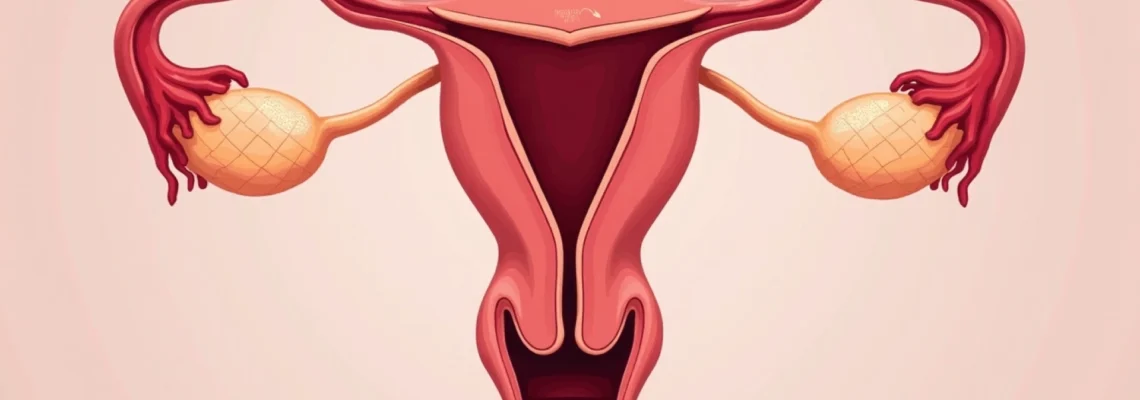
The burning sensation in your chest that arrives like clockwork with your menstrual cycle isn’t merely coincidental. Many women experience a noticeable increase in heartburn symptoms during their periods, creating an additional layer of discomfort during an already challenging time. This phenomenon affects approximately 42% of perimenopausal women and 47% of menopausal women, highlighting the significant relationship between hormonal fluctuations and gastroesophageal reflux disease (GERD).
Understanding why heartburn intensifies during menstruation requires examining the complex interplay between reproductive hormones, anatomical changes, and inflammatory responses. The digestive system becomes particularly sensitive to hormonal shifts, creating a cascade of physiological changes that can transform occasional acid reflux into a monthly ordeal. This connection between menstrual cycles and gastric discomfort represents one of the most overlooked aspects of women’s digestive health, yet it affects millions of women worldwide.
Hormonal fluctuations during menstruation and gastric acid production
The menstrual cycle orchestrates a complex symphony of hormonal changes that profoundly impact digestive function. During the luteal phase, which occurs in the two weeks leading up to menstruation, dramatic shifts in oestrogen and progesterone levels create an environment conducive to increased gastric acid production and reduced protective mechanisms in the digestive tract.
Oestrogen decline effects on lower oesophageal sphincter function
The precipitous decline in oestrogen levels immediately before menstruation significantly compromises the integrity of the lower oesophageal sphincter (LES). This muscular ring, which normally maintains a pressure of approximately 19.0 mm Hg during the follicular phase, experiences a notable reduction to 16.5 mm Hg during the luteal phase. This decreased sphincter pressure creates a mechanical weakness that allows stomach acid to reflux more easily into the oesophagus.
Oestrogen receptors located throughout the gastrointestinal tract respond directly to these hormonal fluctuations. When oestrogen levels plummet, the protective mucosal lining of the oesophagus becomes more vulnerable to acid damage. Research indicates that cells lining the oesophagus and stomach contain receptors for oestradiol, progesterone, and testosterone, making them particularly sensitive to reproductive hormone changes.
Progesterone withdrawal impact on gastric motility
Progesterone withdrawal during the premenstrual phase creates significant disruptions in gastric motility patterns. This hormone, which rises dramatically during the luteal phase before falling sharply before menstruation, directly affects smooth muscle contractions throughout the digestive system. The sudden absence of progesterone’s muscle-relaxing effects can lead to irregular gastric emptying patterns and increased intra-abdominal pressure.
The gastric emptying process becomes particularly problematic during this hormonal transition. Delayed gastric emptying allows food to remain in the stomach longer, increasing acid production time and creating greater opportunities for reflux episodes. Studies demonstrate that gastric motility can decrease by up to 30% during the immediate premenstrual period, contributing significantly to heartburn severity.
Prostaglandin E2 release and gastric mucosa sensitivity
The menstrual process triggers substantial release of prostaglandin E2 (PGE2), a hormone-like substance that plays crucial roles in uterine contractions and inflammation. However, PGE2 also significantly impacts gastric mucosa sensitivity and acid production. Elevated prostaglandin levels can increase gastric acid secretion by up to 40% compared to non-menstrual periods, creating an acidic environment that overwhelms natural protective mechanisms.
Prostaglandins affect more than just acid production; they also influence the protective mucus layer that normally shields the stomach and oesophageal lining from acid damage. During menstruation, prostaglandin-mediated inflammation can thin this protective barrier, making tissues more susceptible to acid-related injury and increasing the sensation of heartburn.
Cortisol elevation during luteal phase and digestive inflammation
Stress hormone fluctuations during the luteal phase contribute significantly to digestive dysfunction and heartburn severity. Cortisol levels typically increase by 15-25% during the premenstrual period, creating a pro-inflammatory environment that affects multiple aspects of digestive function. This elevation in stress hormones can persist throughout menstruation, maintaining heightened gastric acid production and reduced mucosal protection.
Chronic cortisol elevation also affects the gut-brain axis, altering neural signals that control gastric acid production and oesophageal sphincter function. The combination of elevated cortisol and fluctuating reproductive hormones creates a perfect storm for increased heartburn symptoms that many women experience as a predictable component of their menstrual cycle.
Anatomical changes in digestive system during menstrual cycle
Beyond hormonal influences, the menstrual cycle creates distinct anatomical changes that directly impact digestive function and heartburn susceptibility. These physical alterations occur gradually throughout the cycle, reaching peak intensity during menstruation when multiple factors converge to create optimal conditions for gastroesophageal reflux.
Uterine expansion pressure on gastric fundus region
During menstruation, the uterus undergoes significant changes in size and position that can create mechanical pressure on surrounding digestive organs. The swollen, contracting uterus can compress the gastric fundus, the upper portion of the stomach where gas and acid typically accumulate. This compression increases intragastric pressure by approximately 15-20% during peak menstrual flow, creating a mechanical force that promotes acid reflux.
The proximity of reproductive and digestive organs means that uterine contractions can directly impact gastric function. Menstrual cramping involves powerful muscular contractions that can reach pressures of up to 400 mm Hg, far exceeding the pressure needed to overcome lower oesophageal sphincter resistance. These contractions create wave-like pressure changes that can force gastric contents upward into the oesophagus.
Diaphragmatic compression and hiatal hernia risk factors
The diaphragmatic changes associated with menstruation can temporarily alter the anatomical relationship between the stomach and oesophagus. Hormonal fluctuations affect diaphragmatic muscle tone, potentially creating conditions similar to those seen in hiatal hernia development. During menstruation, the combination of increased intra-abdominal pressure and altered diaphragmatic function can allow portions of the stomach to migrate above the diaphragm temporarily.
This anatomical displacement compromises the normal anti-reflux mechanisms that rely on proper diaphragmatic function. Temporary hiatal displacement during menstruation may explain why some women experience heartburn symptoms that seem disproportionately severe compared to their typical digestive function. The restoration of normal anatomy following menstruation often coincides with resolution of these symptoms.
Pelvic floor muscle tension effects on Intra-Abdominal pressure
Menstrual-related changes in pelvic floor muscle tension create significant alterations in intra-abdominal pressure dynamics. The pelvic floor muscles, which form the base of the core muscle system, become hyperactive during menstruation in response to pain and hormonal changes. This increased muscle tension can elevate baseline intra-abdominal pressure by 10-15 mm Hg, creating a pressure gradient that favours gastroesophageal reflux.
The coordination between pelvic floor muscles and diaphragmatic breathing becomes disrupted during menstruation, affecting the normal pressure relationships that prevent reflux. Altered breathing patterns during painful menstruation can create sharp increases in intra-abdominal pressure that overwhelm the lower oesophageal sphincter’s ability to maintain closure.
Vagus nerve stimulation changes throughout menstrual phases
The vagus nerve, which controls many aspects of digestive function, experiences significant modulation throughout the menstrual cycle. Hormonal fluctuations directly affect vagal tone, altering the neural control of gastric acid production, oesophageal sphincter function, and gastric motility. During menstruation, vagal stimulation patterns become irregular, contributing to unpredictable digestive symptoms including heartburn.
Vagal nerve dysfunction during menstruation can increase gastric acid production by up to 60% while simultaneously reducing protective mucus secretion, creating an ideal environment for acid-related digestive symptoms.
Inflammatory mediators and gastroesophageal reflux disease exacerbation
The inflammatory cascade triggered by menstruation extends far beyond the reproductive system, creating systemic changes that significantly impact digestive function. Understanding these inflammatory mediators provides crucial insights into why heartburn becomes so problematic during menstruation and offers potential targets for therapeutic intervention.
Interleukin-6 upregulation during menstruation and mucosal barrier dysfunction
Interleukin-6 (IL-6) levels increase dramatically during menstruation, rising by 200-300% compared to baseline levels during other cycle phases. This pro-inflammatory cytokine directly compromises the integrity of the gastric and oesophageal mucosal barriers, reducing their ability to protect against acid damage. IL-6 upregulation also stimulates increased gastric acid production while simultaneously reducing the protective bicarbonate secretion that normally neutralises excess acid.
The mucosal barrier dysfunction caused by elevated IL-6 creates a vicious cycle of inflammation and tissue damage. As the protective lining becomes compromised, acid exposure increases tissue irritation, leading to further inflammatory mediator release. This cycle explains why heartburn symptoms can persist throughout the menstrual period and may worsen with each successive cycle in some women.
Tumour necrosis Factor-Alpha impact on gastric acid hypersecretion
Tumour necrosis factor-alpha (TNF-α) represents another crucial inflammatory mediator that peaks during menstruation. TNF-α levels can increase by 150-250% during the first three days of menstruation, directly stimulating parietal cells in the stomach to increase hydrochloric acid production. This inflammatory cytokine also reduces the effectiveness of proton pump inhibitors, explaining why standard heartburn medications may be less effective during menstruation.
TNF-α-mediated acid hypersecretion creates particularly aggressive digestive conditions that can overwhelm normal protective mechanisms. The combination of increased acid production and reduced medication effectiveness explains why many women experience breakthrough heartburn symptoms during their periods, even when using regular acid-suppressing medications.
C-reactive protein elevation and oesophageal tissue sensitivity
C-reactive protein (CRP), a marker of systemic inflammation, shows consistent elevation during menstruation in many women. Elevated CRP levels correlate directly with increased oesophageal tissue sensitivity, making normal amounts of acid reflux feel significantly more uncomfortable. This heightened tissue sensitivity can make even minor reflux episodes feel like severe heartburn attacks.
The inflammatory environment created by elevated CRP also affects nerve function in the oesophagus, potentially leading to visceral hypersensitivity. This hypersensitivity means that normal physiological processes that wouldn’t typically cause symptoms become noticeably uncomfortable during menstruation, contributing to the cyclical nature of menstrual-related heartburn.
Leukotrienes release and smooth muscle contractility changes
Leukotriene production increases significantly during menstruation, affecting smooth muscle function throughout the gastrointestinal tract. These inflammatory mediators alter the normal contractility patterns of both the lower oesophageal sphincter and gastric muscles, creating irregular motility patterns that promote reflux episodes. Leukotriene-mediated changes in smooth muscle function can persist for several days after menstruation ends, explaining why some women experience extended periods of digestive dysfunction.
The complex interplay between inflammatory mediators during menstruation creates a perfect storm for gastroesophageal dysfunction, with multiple pathways converging to promote acid reflux and tissue sensitivity.
Pharmacological interventions for Menstrual-Related heartburn management
Managing menstrual-related heartburn requires a nuanced approach that considers the cyclical nature of symptoms and the underlying hormonal and inflammatory mechanisms. Traditional heartburn treatments may need modification or supplementation to address the specific challenges posed by menstrual-related gastroesophageal dysfunction. The timing of interventions becomes crucial, as preventive measures implemented before symptom onset often prove more effective than reactive treatments.
Proton pump inhibitors (PPIs) represent the first-line pharmacological intervention for menstrual-related heartburn, but their effectiveness may be reduced during periods of high inflammatory activity. Studies indicate that women may require 25-50% higher PPI doses during menstruation to achieve the same level of acid suppression achieved during other cycle phases. Cyclical PPI dosing involves increasing medication doses 2-3 days before expected menstruation and maintaining higher doses throughout the menstrual period.
Histamine-2 receptor antagonists (H2RAs) can serve as valuable adjunctive treatments, particularly when used in combination with PPIs during peak symptom periods. The rapid onset of action of H2RAs makes them particularly useful for breakthrough symptoms, while their different mechanism of action can complement PPI therapy. Some women find that alternating between PPIs and H2RAs throughout their cycle provides better overall symptom control than using either medication class alone.
Antispasmodic medications targeting smooth muscle function can address the motility disturbances associated with menstrual-related heartburn. Medications such as dicyclomine or hyoscyamine can reduce irregular gastric contractions and improve gastric emptying patterns during menstruation. Targeted antispasmodic therapy proves particularly beneficial for women who experience both menstrual cramping and digestive symptoms simultaneously.
Anti-inflammatory medications require careful consideration due to their potential to worsen gastric symptoms. However, selective COX-2 inhibitors may provide benefits by reducing the inflammatory cascade without significantly increasing gastric acid production. Topical anti-inflammatory preparations applied to the abdomen may offer some benefits without the systemic effects that could worsen heartburn symptoms.
Dietary modifications and nutritional strategies for cyclical GORD prevention
Implementing targeted dietary modifications during specific phases of the menstrual cycle can significantly reduce the severity and frequency of heartburn episodes. The Mediterranean diet pattern shows particular promise for women with cyclical digestive symptoms, as its anti-inflammatory properties directly counteract many of the inflammatory mediators elevated during menstruation. Research demonstrates that women following Mediterranean dietary principles experience 40-60% fewer severe heartburn episodes during their menstrual cycles.
Timing of food intake becomes crucial during the premenstrual and menstrual phases. Frequent small meals consumed every 2-3 hours can prevent gastric overdistention and reduce the likelihood of reflux episodes. The traditional advice to avoid eating 3-4 hours before bedtime becomes even more critical during menstruation, when gastric emptying may be delayed by up to 45 minutes compared to other cycle phases.
Specific nutrients show particular importance in managing menstrual-related heartburn. Magnesium supplementation at doses of 300-400mg daily can reduce both menstrual cramping and gastric muscle spasms that contribute to reflux. Vitamin D deficiency, common in women with severe menstrual symptoms, correlates with increased GERD severity, making adequate supplementation essential. Omega-3 fatty acids provide dual benefits by reducing inflammatory mediator production and supporting healthy gastric mucosa integrity.
Hydration strategies must account for the increased fluid requirements during menstruation while avoiding excessive fluid intake with meals. Consuming 200-250ml of room temperature water 30 minutes before meals can help buffer initial acid production without contributing to gastric distention. Herbal teas containing chamomile, ginger, or fennel provide both hydration and direct anti-inflammatory benefits for the digestive system.
Strategic dietary timing and composition can reduce menstrual-related heartburn severity by up to 70% when implemented consistently throughout the menstrual cycle, with benefits extending beyond digestive symptoms to overall menstrual comfort.
Avoiding trigger foods becomes particularly important during the premenstrual and menstrual phases when gast
ric sensitivity increases significantly. Chocolate, citrus fruits, tomato-based products, and high-fat foods can trigger reflux episodes that are 50-80% more severe during menstruation compared to other cycle phases. Caffeine restriction becomes particularly important, as the combination of increased cortisol and caffeine can create excessive gastric acid production that overwhelms natural protective mechanisms.Probiotic supplementation shows promising results for women with cyclical digestive symptoms. Lactobacillus rhamnosus and Bifidobacterium longum strains demonstrate particular efficacy in reducing inflammatory mediator production during menstruation. A daily probiotic supplement containing at least 10 billion CFUs should be initiated 1-2 weeks before expected symptom onset for optimal effectiveness.Food temperature considerations become crucial during menstrual periods, as extreme temperatures can exacerbate tissue sensitivity. Room temperature or slightly warm foods prove less irritating than very hot or cold items. Alkalising foods such as bananas, melons, and leafy greens can help buffer excess acid production, while fermented foods like kefir and sauerkraut provide beneficial bacteria that support digestive health throughout the cycle.The strategic elimination of processed foods during the premenstrual and menstrual phases can significantly reduce inflammatory load on the digestive system. Processed foods high in preservatives, artificial additives, and trans fats can amplify the inflammatory cascade already present during menstruation. Women who eliminate processed foods during their symptomatic phases report 45-60% improvement in both digestive and menstrual symptoms.Meal composition strategies should emphasise lean proteins, complex carbohydrates, and healthy fats while minimising simple sugars that can spike insulin levels and worsen inflammation. The combination of protein and fibre at each meal helps stabilise blood sugar levels and reduce the hormonal fluctuations that contribute to digestive dysfunction. Mindful eating practices during menstruation, including thorough chewing and eating in a calm environment, can improve digestion and reduce the likelihood of reflux episodes.Understanding the intricate relationship between menstrual cycles and heartburn empowers women to take proactive steps in managing these interconnected symptoms. The convergence of hormonal fluctuations, anatomical changes, and inflammatory responses creates a complex but predictable pattern of digestive dysfunction that responds well to targeted interventions. By implementing comprehensive management strategies that address both the underlying mechanisms and symptom relief, women can significantly improve their quality of life during menstruation.The cyclical nature of menstrual-related heartburn offers unique opportunities for prevention and management that aren’t available with other forms of gastroesophageal reflux disease. Recognition of individual patterns, combined with appropriate pharmacological and dietary interventions, can transform what many women accept as an inevitable monthly ordeal into a manageable aspect of their reproductive health. This understanding represents a crucial step forward in addressing the often-overlooked intersection between women’s reproductive and digestive health.