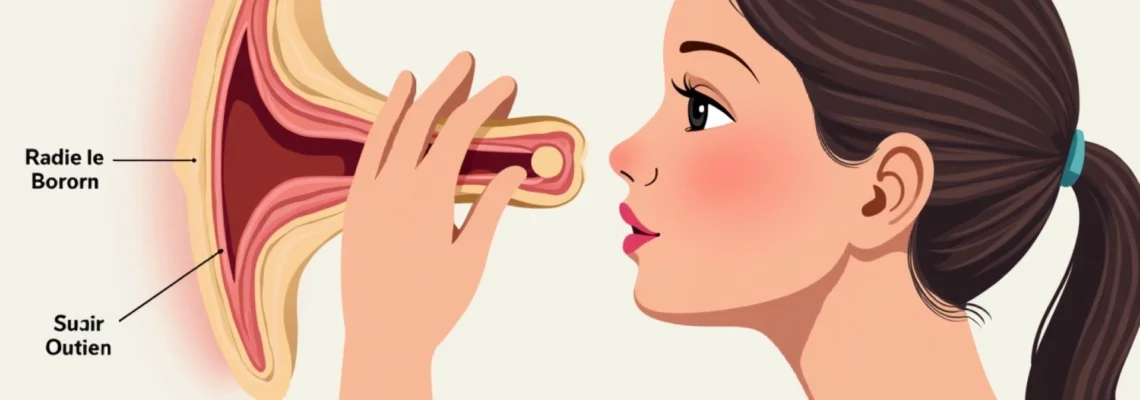
The peculiar squeaking noise that emanates from your ear when blowing your nose can be both alarming and perplexing. This auditory phenomenon affects countless individuals worldwide, often leaving them wondering whether they should be concerned about their ear health. The squeaking sound typically results from complex pressure dynamics between your nasal passages and middle ear, involving intricate anatomical structures that work in harmony under normal circumstances.
Understanding the underlying mechanisms behind this ear squeaking can help you differentiate between benign temporary occurrences and potential indicators of underlying medical conditions. The sound often originates from pressure imbalances affecting the delicate structures within your auditory system, particularly the eustachian tubes that connect your middle ear to your nasal passages. When these tubes become compromised or blocked, even routine activities like nose blowing can produce unexpected auditory sensations.
The frequency and intensity of ear squeaking during nasal expiration can vary significantly between individuals, influenced by factors such as sinus health, eustachian tube function, and overall respiratory condition. Some people experience occasional mild squeaking, whilst others encounter persistent or intensely audible sounds that may indicate more serious underlying issues requiring medical attention.
Eustachian tube dysfunction and nasal pressure mechanics
The relationship between nasal pressure and ear squeaking centres around the eustachian tube’s critical role in maintaining pressure equilibrium between your middle ear and the external environment. These narrow tubes, measuring approximately 35 millimetres in length, serve as vital conduits that normally remain closed but open during swallowing, yawning, or other specific movements. When you blow your nose forcefully, the resulting pressure changes can overwhelm the eustachian tube’s natural regulatory mechanisms.
Anatomical structure of the eustachian tube and middle ear connection
The eustachian tube comprises both bony and cartilaginous portions, with the cartilaginous section being particularly susceptible to dysfunction. The tube’s opening mechanism relies on the coordinated action of several muscles, including the tensor veli palatini and levator veli palatini muscles. These muscles create the necessary force to open the tube’s valve-like mechanism, allowing air pressure equalisation between the middle ear and nasopharynx.
The middle ear space contains three tiny bones—the malleus, incus, and stapes—which transmit sound vibrations from the eardrum to the inner ear. When pressure imbalances occur due to eustachian tube dysfunction, these ossicles can become less mobile, contributing to both hearing changes and unusual sounds. The tympanic membrane itself becomes less flexible under abnormal pressure conditions, potentially creating the squeaking noise you hear during forced nasal expiration.
Barotrauma response during forced nasal expiration
Barotrauma represents your ear’s response to rapid or extreme pressure changes that exceed the eustachian tube’s compensatory capacity. During forceful nose blowing, the sudden increase in nasal cavity pressure can create a pressure gradient that forces air through partially obstructed eustachian tubes. This forced air passage often produces the characteristic squeaking or whistling sound that many people experience.
The severity of barotrauma-related squeaking depends on several factors, including the force applied during nose blowing, the degree of eustachian tube obstruction, and individual anatomical variations. Some individuals possess naturally narrower eustachian tubes or have structural abnormalities that predispose them to pressure-related ear symptoms. Understanding these individual variations helps explain why some people consistently experience ear squeaking whilst others never encounter this phenomenon.
Valsalva manoeuvre effects on tympanic membrane tension
The Valsalva manoeuvre, which occurs naturally during forceful nose blowing, involves closing the mouth and nose whilst attempting to exhale. This action dramatically increases intrathoracic pressure, which subsequently affects middle ear pressure dynamics. The resulting pressure differential can cause the tympanic membrane to bulge outward, creating tension that may produce squeaking sounds as the membrane stretches beyond its normal range of motion.
Research indicates that excessive Valsalva manoeuvres can potentially damage delicate middle ear structures, particularly in individuals with pre-existing eustachian tube dysfunction. The squeaking noise may serve as an early warning sign that you’re applying too much pressure during nasal clearing. Learning to recognise this auditory cue can help you modify your nose-blowing technique to prevent potential ear damage.
Mucus viscosity impact on auditory canal pressure equalisation
The consistency and volume of nasal mucus significantly influence pressure dynamics during nose blowing. Thick, viscous mucus requires greater expulsive force, leading to higher nasal pressures that can overwhelm eustachian tube function. Additionally, mucus itself can partially obstruct the eustachian tube opening in the nasopharynx, creating a scenario where pressure equalisation becomes increasingly difficult.
Seasonal allergies, respiratory infections, and environmental irritants can alter mucus properties, making individuals more susceptible to ear squeaking during nasal clearing. The inflammatory response associated with these conditions often causes mucosal swelling around the eustachian tube opening, further compromising normal pressure equalisation mechanisms. Understanding this relationship helps explain why ear squeaking often coincides with periods of respiratory illness or allergic reactions.
Medical conditions causing auditory squeaking during nose blowing
Various medical conditions can predispose individuals to experiencing squeaking sounds when blowing their nose. These conditions often involve inflammation, structural abnormalities, or functional impairments affecting the complex network of structures connecting your nasal passages to your middle ear. Identifying the underlying cause is crucial for determining appropriate treatment strategies and preventing potential complications.
Acute otitis media and middle ear fluid accumulation
Acute otitis media, characterised by middle ear infection and fluid accumulation, frequently causes ear squeaking during nasal expiration. The presence of infected fluid or inflammatory exudate within the middle ear space creates an environment where normal pressure equalisation becomes compromised. The viscous nature of infected fluid can cause unusual sounds as air attempts to move through or around these accumulated secretions.
The inflammatory process associated with otitis media often extends to the eustachian tube itself, causing mucosal swelling that further impairs normal tube function. This creates a vicious cycle where poor drainage promotes continued infection, whilst ongoing inflammation perpetuates eustachian tube dysfunction. The resulting pressure imbalances can manifest as squeaking, crackling, or popping sounds during activities that alter nasal pressure, such as nose blowing or swallowing.
Children are particularly susceptible to otitis media-related ear squeaking due to their anatomically shorter and more horizontally oriented eustachian tubes. This configuration makes drainage less efficient and increases the likelihood of fluid accumulation and subsequent pressure-related symptoms. Parents often report hearing squeaking sounds from their children’s ears during nose blowing episodes, which may indicate the need for medical evaluation.
Chronic sinusitis with secondary eustachian tube blockage
Chronic sinusitis represents a persistent inflammatory condition affecting the paranasal sinuses that can significantly impact eustachian tube function. The ongoing inflammation associated with chronic sinusitis creates sustained mucosal swelling that can extend to the nasopharyngeal opening of the eustachian tube. This swelling effectively narrows the tube’s calibre, making pressure equalisation more difficult and prone to producing audible sounds.
The thick, tenacious mucus characteristic of chronic sinusitis can also mechanically obstruct the eustachian tube opening, creating a partial blockage that allows some air movement but generates squeaking sounds during pressure changes. Additionally, the altered bacterial flora commonly associated with chronic sinusitis can contribute to low-grade inflammation that perpetuates eustachian tube dysfunction even during periods when acute sinus symptoms are minimal.
Patients with chronic sinusitis often develop compensatory behaviours, such as more forceful nose blowing, which can exacerbate pressure-related ear symptoms and increase the likelihood of experiencing auditory squeaking.
Temporomandibular joint disorder and referred ear symptoms
Temporomandibular joint (TMJ) disorders can produce referred symptoms affecting the ear, including unusual sounds during activities that involve jaw movement or pressure changes. The close anatomical proximity of the TMJ to the ear canal means that dysfunction in the joint can affect nearby structures, including the eustachian tube opening mechanisms. The muscles responsible for eustachian tube opening are closely related to those involved in jaw function, creating potential for crossover symptoms.
Individuals with TMJ disorders often unconsciously alter their swallowing patterns or jaw positioning, which can indirectly affect eustachian tube function. The resulting changes in muscle coordination may lead to inefficient tube opening during pressure equalisation attempts, contributing to squeaking sounds during nose blowing. The relationship between TMJ dysfunction and ear symptoms highlights the interconnected nature of head and neck anatomy.
Allergic Rhinitis-Induced mucosal inflammation
Allergic rhinitis creates widespread mucosal inflammation throughout the nasal passages and connected structures, including the eustachian tube. The allergic response involves histamine release and subsequent tissue swelling that can significantly narrow the eustachian tube’s calibre. This inflammation-induced narrowing makes the tube more susceptible to producing squeaking sounds during pressure changes associated with nose blowing.
The cyclical nature of allergic rhinitis means that individuals may experience periods of normal ear function alternating with episodes of pronounced squeaking during allergy exacerbations. Environmental allergens such as pollen, dust mites, or pet dander can trigger rapid-onset mucosal swelling that immediately affects eustachian tube function. Understanding these triggers allows individuals to anticipate and potentially prevent problematic ear symptoms through appropriate allergy management.
Diagnostic assessment techniques for ear squeaking phenomena
Accurate diagnosis of the underlying cause behind ear squeaking requires a comprehensive evaluation utilising various specialised assessment techniques. Healthcare professionals employ multiple diagnostic modalities to evaluate eustachian tube function, middle ear status, and related anatomical structures. These assessments help differentiate between benign temporary dysfunction and more serious conditions requiring specific treatment interventions.
Tympanometry testing for middle ear pressure measurement
Tympanometry represents the gold standard for assessing middle ear pressure and eustachian tube function. This non-invasive test measures the mobility of the tympanic membrane in response to varying air pressures introduced into the ear canal. The resulting tympanogram provides valuable information about middle ear pressure status, eustachian tube patency, and tympanic membrane compliance.
Normal tympanometry results show peak compliance at atmospheric pressure, indicating proper pressure equalisation between the middle ear and external environment. Abnormal findings may reveal negative middle ear pressure, suggesting eustachian tube dysfunction, or flat tympanograms indicating fluid presence or severe tube blockage. These objective measurements help clinicians correlate patient symptoms with measurable physiological dysfunction.
Advanced tympanometry protocols can include pressure swallow testing, where patients perform swallowing manoeuvres during continuous pressure monitoring. This dynamic assessment reveals the eustachian tube’s ability to open and equalise pressure during normal physiological activities, providing insights into the mechanisms underlying ear squeaking symptoms.
Otoscopic examination of tympanic membrane mobility
Direct visualisation of the tympanic membrane through otoscopic examination provides crucial information about middle ear status and potential causes of ear squeaking. Pneumatic otoscopy, involving gentle air pressure application through the otoscope, allows assessment of tympanic membrane mobility and can reveal subtle signs of middle ear pathology that might contribute to pressure-related symptoms.
Experienced clinicians can identify characteristic changes in tympanic membrane appearance that suggest specific conditions. For example, a retracted membrane may indicate negative middle ear pressure from eustachian tube dysfunction, whilst a bulging membrane might suggest fluid accumulation or acute infection. The membrane’s colour, transparency, and light reflex patterns provide additional diagnostic clues about underlying middle ear conditions.
Audiometric evaluation of conductive hearing loss
Comprehensive audiometric testing helps identify and quantify any hearing loss associated with conditions causing ear squeaking. Pure tone audiometry can detect conductive hearing loss patterns characteristic of middle ear pathology, whilst tympanic membrane testing reveals specific frequencies most affected by pressure-related dysfunction. These findings help guide treatment decisions and monitor therapeutic progress.
Speech audiometry provides additional information about functional hearing impact, particularly important for individuals experiencing persistent ear symptoms. The combination of pure tone and speech testing results creates a comprehensive picture of auditory function that helps clinicians understand the broader implications of conditions causing ear squeaking. Serial audiometric evaluations can track changes over time and assess treatment effectiveness.
Nasal endoscopy for eustachian tube orifice inspection
Nasal endoscopy allows direct visualisation of the eustachian tube opening in the nasopharynx, providing valuable information about structural abnormalities or inflammatory changes affecting tube function. This procedure can reveal mucosal swelling, anatomical variations, or pathological conditions that contribute to eustachian tube dysfunction and associated ear squeaking symptoms.
Dynamic endoscopy, performed whilst the patient performs various manoeuvres such as swallowing or yawning, allows real-time assessment of eustachian tube opening mechanics. Clinicians can observe whether the tube opens adequately and identify specific functional deficits that might explain pressure-related ear symptoms. This visual information complements physiological testing results to provide a comprehensive understanding of eustachian tube dysfunction.
Treatment protocols for Nasal-Induced ear squeaking
Effective treatment of ear squeaking during nose blowing requires addressing the underlying cause whilst providing symptomatic relief. Treatment approaches range from conservative management strategies to more aggressive interventions, depending on the severity and persistence of symptoms. The primary goal involves restoring normal eustachian tube function and eliminating factors contributing to pressure imbalances during nasal clearing activities.
Conservative treatment typically begins with modifications to nose-blowing technique and environmental control measures. Patients learn to blow their nose gently, one nostril at a time, to minimise pressure generation and reduce stress on the eustachian tube system. Saline nasal irrigation helps thin secretions and reduce inflammatory burden, improving overall nasal and eustachian tube function. These simple interventions often provide significant symptom relief without requiring medication or invasive procedures.
Topical nasal corticosteroids represent first-line pharmacological treatment for inflammatory conditions causing eustachian tube dysfunction. These medications reduce mucosal swelling and improve tube patency, allowing more effective pressure equalisation during nasal activities. Antihistamines may benefit individuals with allergic rhinitis-related symptoms, whilst decongestants can provide short-term relief during acute episodes. However, prolonged decongestant use should be avoided due to potential rebound effects.
Advanced treatment options include balloon eustachian tuboplasty, a minimally invasive procedure that mechanically dilates the cartilaginous portion of the eustachian tube to improve function in cases resistant to conservative management.
Individuals with persistent middle ear fluid accumulation may require surgical intervention such as myringotomy with tube placement. This procedure creates an alternative pathway for pressure equalisation, bypassing dysfunctional eustachian tubes and preventing the pressure imbalances that cause ear squeaking. The decision for surgical intervention depends on symptom severity, duration, and impact on quality of life or hearing function.
Allergy management plays a crucial role in treating squeaking related to allergic rhinitis. Comprehensive allergy evaluation may reveal specific triggers that can be avoided or treated with immunotherapy. Environmental control measures, such as air filtration and allergen avoidance, can significantly reduce inflammatory burden and improve eustachian tube function. For individuals with multiple allergies, a systematic approach to trigger identification and management often yields the best long-term results.
Prevention strategies and proper nasal hygiene techniques
Preventing ear squeaking during nose blowing involves adopting proper nasal hygiene practices and maintaining optimal respiratory health. The foundation of prevention lies in gentle nasal clearing techniques that minimise pressure generation whilst effectively removing secretions. Learning to blow your nose correctly represents one of the most important steps in preventing pressure-related ear symptoms and protecting delicate middle ear structures from barotrauma.
The optimal nose-blowing technique involves closing one nostril whilst gently exhaling through the other, followed by gentle sniffing to clear residual secretions. This method prevents the high-pressure generation associated with bilateral forceful blowing and reduces stress on the eustachian tube system. After clearing one side, the process should be repeated for the opposite nostril, allowing adequate time for pressure equalisation between attempts.
- Maintain consistent na
Regular nasal irrigation with isotonic saline solution helps maintain optimal nasal hygiene whilst reducing the inflammatory burden that contributes to eustachian tube dysfunction. This practice should be performed using proper technique to avoid introducing water into the middle ear through dysfunctional eustachian tubes. The temperature of irrigation solutions should be lukewarm to prevent thermal shock to sensitive nasal tissues, and sterile or properly boiled water must be used to prevent introducing pathogenic organisms.
Environmental modification plays a crucial role in prevention, particularly for individuals prone to allergic or irritant-induced nasal inflammation. Air filtration systems can reduce airborne allergens and pollutants that trigger inflammatory responses affecting eustachian tube function. Maintaining indoor humidity between 40-50% helps preserve nasal tissue health and prevents the excessive drying that can lead to thick, difficult-to-clear secretions.
Seasonal considerations become important for individuals whose ear squeaking correlates with specific times of year. Pollen seasons may require proactive antihistamine use and increased nasal hygiene measures, whilst winter heating systems might necessitate additional humidification to prevent nasal tissue desiccation. Understanding these patterns allows individuals to implement preventive strategies before symptoms develop, rather than treating problems after they occur.
When to seek ENT specialist consultation for persistent symptoms
Determining when ear squeaking warrants professional medical evaluation requires careful consideration of symptom characteristics, duration, and associated features. While occasional mild squeaking during nose blowing may represent normal physiological variation, certain patterns suggest underlying pathology requiring specialist assessment. Understanding these warning signs helps individuals make informed decisions about seeking medical care and prevents potentially serious complications from delayed treatment.
Persistent ear squeaking lasting more than two weeks, particularly when accompanied by hearing changes, pain, or discharge, indicates the need for professional evaluation. The persistence itself suggests that normal compensatory mechanisms are failing to resolve the underlying dysfunction, potentially indicating structural abnormalities or chronic inflammatory conditions requiring specific treatment. Early intervention often prevents progression to more serious complications and typically results in more favourable treatment outcomes.
Associated symptoms that should prompt immediate medical consultation include fever, severe ear pain, bloody discharge, sudden hearing loss, or dizziness. These features may indicate serious conditions such as acute mastoiditis, tympanic membrane perforation, or labyrinthitis that require urgent treatment to prevent permanent damage. The combination of ear squeaking with systemic symptoms like fever suggests possible bacterial infection that could spread to adjacent structures without appropriate antibiotic therapy.
Individuals experiencing ear squeaking accompanied by facial weakness, severe headache, or neurological symptoms should seek immediate medical attention, as these may indicate rare but serious complications affecting the central nervous system.
Unilateral symptoms deserve particular attention, as asymmetric ear dysfunction may indicate focal pathology such as tumours, structural abnormalities, or localised inflammatory conditions. While bilateral ear squeaking often relates to systemic conditions like allergies or upper respiratory infections, unilateral symptoms warrant more aggressive evaluation to exclude serious underlying causes. ENT specialists possess the specialised equipment and expertise necessary to thoroughly evaluate asymmetric ear symptoms.
Individuals with recurrent episodes of ear squeaking, even if individual episodes resolve spontaneously, may benefit from specialist evaluation to identify underlying predisposing factors. Recurrent dysfunction often indicates chronic conditions such as anatomical abnormalities, persistent allergies, or systemic inflammatory disorders that require long-term management strategies. Specialist assessment can reveal subtle findings that explain symptom patterns and guide appropriate preventive interventions.
Children presenting with ear squeaking require particularly careful evaluation, as their anatomy and immune systems predispose them to certain conditions that can have long-term consequences if inadequately treated. The higher incidence of middle ear problems in paediatric populations, combined with potential impacts on speech and language development, makes specialist evaluation appropriate for persistent or recurrent symptoms. Early identification and treatment of childhood ear problems often prevents complications that could affect academic performance and social development.
Finally, individuals whose ear squeaking significantly impacts quality of life, interferes with daily activities, or causes anxiety about their health should not hesitate to seek professional evaluation. The psychological impact of persistent ear symptoms can be substantial, and effective treatment often provides relief that extends beyond simple symptom resolution. ENT specialists can provide both medical treatment and reassurance that helps individuals regain confidence in their ear health and overall well-being.