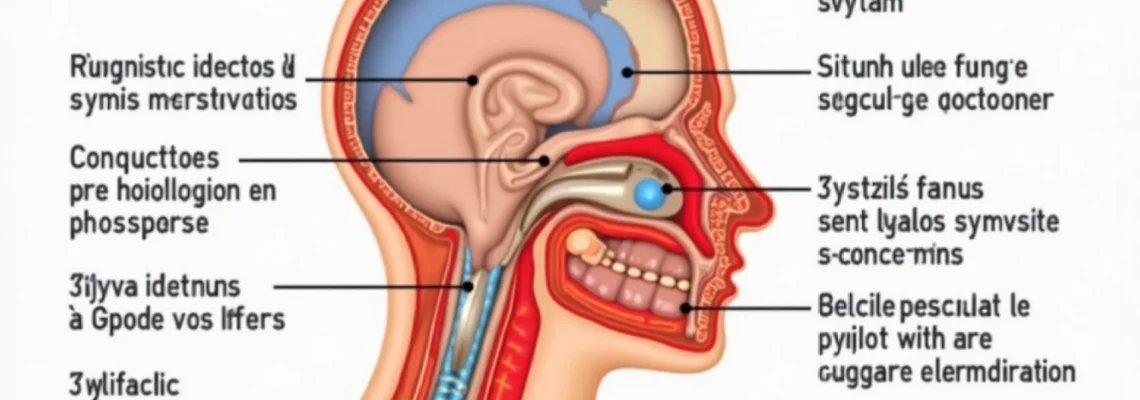
Experiencing sinus pain without the typical nasal congestion can be both perplexing and frustrating. This phenomenon affects millions of people worldwide, yet many struggle to identify the underlying cause of their discomfort. Unlike traditional sinus infections characterised by blocked nasal passages and thick mucus discharge, non-congestive sinus pain presents unique diagnostic challenges that often lead to misdiagnosis and inappropriate treatment approaches.
The absence of congestion doesn’t diminish the intensity or impact of sinus-related pain. Understanding the various causes behind this condition is crucial for effective management and relief. From neurological disorders mimicking sinus symptoms to structural abnormalities creating pressure without mucus production, the spectrum of potential causes extends far beyond conventional sinusitis.
Neurological causes of Non-Congestive sinus pain
The intricate network of nerves surrounding the facial region can create pain patterns that closely mimic sinus discomfort, often without any actual sinus involvement. These neurological conditions frequently confuse both patients and healthcare providers, as the pain distribution overlaps significantly with areas typically affected by sinusitis. The trigeminal nerve, in particular, plays a central role in many of these conditions, as its branches innervate the same facial regions where sinus pain is commonly experienced.
Neurological causes of sinus-like pain represent some of the most challenging diagnostic scenarios in facial pain medicine. The complexity arises from the shared anatomical pathways between neurological structures and sinus regions, making differentiation based solely on symptom location nearly impossible. Advanced understanding of these conditions has revealed that many cases previously attributed to chronic sinusitis are actually neurological in origin.
Trigeminal neuralgia and maxillary branch dysfunction
Trigeminal neuralgia affecting the maxillary branch can produce sharp, shooting pains in the cheek and upper jaw area that patients often interpret as sinus pain. This condition involves dysfunction of the fifth cranial nerve, specifically the V2 branch that innervates the maxillary sinus region. The pain is typically described as electric shock-like sensations that can be triggered by light touch, chewing, or even speaking.
The distinction between trigeminal neuralgia and actual sinus pain lies in the quality and duration of the discomfort. Trigeminal neuralgia produces brief, intense episodes lasting seconds to minutes, whereas sinus pain tends to be more constant and aching in nature. Additionally, trigeminal neuralgia rarely responds to conventional sinus treatments like decongestants or antihistamines.
Atypical facial pain syndrome and sinus region involvement
Atypical facial pain syndrome presents as a constant, burning, or aching sensation that can affect the entire sinus region without any identifiable structural cause. This condition is particularly challenging to diagnose as it lacks the classical features of other neurological disorders. Patients often describe the pain as deep, boring, or crushing, with intensity fluctuating throughout the day.
The chronicity of atypical facial pain distinguishes it from episodic conditions like migraines or cluster headaches. Many patients report that the pain is present upon waking and persists throughout the day with varying intensity. Unlike true sinus conditions, atypical facial pain doesn’t correlate with seasonal allergies or upper respiratory infections.
Migraine-associated sinus pain without rhinological symptoms
Migraines frequently manifest with symptoms that closely resemble sinus pain, leading to widespread misdiagnosis. The International Headache Society recognises that migraine can produce pain and pressure in the forehead, cheek, and around the eyes—areas typically associated with sinus discomfort. What makes this particularly confusing is that migraines can also cause nasal congestion and rhinorrhea in some patients, further mimicking sinusitis.
However, migraine-related sinus pain often occurs without any nasal symptoms, presenting as isolated facial pressure or pain. The key distinguishing features include photophobia, phonophobia, and nausea, which are rarely associated with true sinus conditions. Additionally, migraine-related sinus pain often responds to migraine-specific treatments like triptans, whereas sinus medications provide little relief.
Research indicates that up to 88% of patients who believe they suffer from sinus headaches actually have migraines, highlighting the significant overlap in symptom presentation between these conditions.
Cluster headache manifestations in paranasal sinus areas
Cluster headaches can produce excruciating pain around the eye and temple that radiates into the maxillary sinus region. These headaches occur in cyclical patterns, often at the same time each day or season, and are accompanied by autonomic symptoms such as lacrimation, nasal congestion, and eyelid drooping on the affected side. The presence of unilateral nasal congestion during cluster headaches can further confuse the diagnostic picture.
The timing and pattern of cluster headaches distinguish them from sinus-related pain. Cluster periods typically last weeks to months, followed by remission periods that can extend for years. The pain is described as boring or burning, centred around one eye, and reaching peak intensity within minutes of onset.
Inflammatory conditions affecting paranasal sinuses without mucus production
Certain inflammatory processes can affect the sinus cavities without producing the characteristic mucus discharge typically associated with sinusitis. These conditions represent a subset of rhinosinusitis where inflammation occurs primarily in the deeper mucosal layers or involves specific cellular responses that don’t result in significant secretory activity. Understanding these conditions is crucial for proper diagnosis and treatment, as they often require different therapeutic approaches compared to conventional sinusitis.
The absence of mucus production in these inflammatory conditions can be attributed to various factors, including the type of inflammatory cells involved, the depth of mucosal involvement, and the specific triggers causing the inflammation. Silent inflammation in the sinuses can be just as debilitating as more obvious forms of sinusitis, yet it often goes unrecognised due to the lack of typical symptoms.
Silent sinusitis and subclinical inflammatory processes
Silent sinusitis refers to low-grade inflammatory processes within the sinus cavities that don’t produce overt symptoms like nasal discharge or severe congestion. This condition often develops gradually over months or years, with patients experiencing intermittent facial pressure, mild headaches, and a sense of fullness without significant nasal symptoms. The inflammation typically involves the deeper layers of the sinus mucosa rather than the surface epithelium responsible for mucus production.
Diagnosis of silent sinusitis often requires advanced imaging techniques, as standard clinical examination may appear normal. CT scans frequently reveal mucosal thickening or slight opacification of affected sinuses, even in the absence of acute symptoms. The subclinical nature of this condition means that many patients endure chronic discomfort for extended periods before receiving an accurate diagnosis.
Allergic fungal sinusitis with minimal secretory response
Allergic fungal sinusitis represents a unique form of chronic rhinosinusitis where fungal allergens trigger an inflammatory response without necessarily producing copious nasal discharge. This condition is characterised by the presence of allergic mucin—a thick, inspissated material that can obstruct sinus drainage pathways. However, in early stages or certain presentations, the secretory response may be minimal, leading to pain and pressure without obvious nasal symptoms.
The diagnosis of allergic fungal sinusitis requires specific criteria including nasal polyposis, characteristic CT findings, positive fungal staining, and elevated IgE levels. Patients often report progressive facial pressure that worsens over time, particularly in humid conditions or during specific seasons when fungal spores are more prevalent in the environment.
Eosinophilic mucin rhinosinusitis presentations
Eosinophilic mucin rhinosinusitis involves the accumulation of thick, eosinophil-rich mucus within the sinus cavities, often without significant external drainage. This condition can create substantial pressure and pain as the inspissated mucin blocks normal sinus ventilation and drainage. The lack of visible nasal discharge occurs because the thickened secretions become trapped within the sinus cavities rather than flowing out through the nasal passages.
Patients with this condition often describe a sensation of fullness or pressure that seems to shift between different sinus regions depending on head position. The eosinophilic inflammation can be triggered by various factors including aspirin sensitivity, fungal allergens, or idiopathic causes, making treatment approaches highly individualised.
Non-allergic rhinitis with eosinophilia syndrome (NARES)
NARES represents a distinct form of chronic rhinitis characterised by nasal eosinophilia without systemic allergies. While this condition typically involves nasal symptoms, some patients present with primarily sinus pain and pressure with minimal nasal discharge. The eosinophilic infiltration affects sinus drainage and ventilation, creating pressure imbalances that result in pain without obvious congestion.
The diagnosis of NARES requires nasal cytology demonstrating greater than 20% eosinophils in the absence of positive allergy tests. Patients often report persistent facial pressure that doesn’t respond to conventional allergy treatments, highlighting the importance of accurate diagnosis for appropriate management.
Anatomical structural abnormalities creating sinus pressure
Structural abnormalities within the nasal cavity and paranasal sinuses can create pressure imbalances and pain without necessarily causing congestion or mucus production. These anatomical variations, whether congenital or acquired, can impede normal sinus ventilation and drainage, leading to barotrauma-like symptoms even in the absence of active infection or inflammation. Understanding these structural causes is essential, as they often require surgical intervention for definitive treatment.
The relationship between anatomy and sinus pain is complex, as even minor structural variations can have significant functional consequences. Anatomical abnormalities may remain asymptomatic for years before manifesting as pain, often triggered by environmental changes, hormonal fluctuations, or minor upper respiratory infections that temporarily worsen the existing structural compromise.
Deviated nasal septum and ostial obstruction patterns
A deviated nasal septum can create asymmetric airflow patterns that affect sinus ventilation without causing obvious nasal obstruction. When the deviation occurs near the middle meatus—the critical drainage pathway for the maxillary, ethmoid, and frontal sinuses—even subtle septal deflections can create significant pressure differentials. This can result in unilateral facial pain that worsens with barometric pressure changes or during air travel.
The ostial obstruction patterns created by septal deviations often vary throughout the day as nasal tissues undergo natural cyclic swelling. Patients frequently report that their pain follows a predictable pattern, worsening during certain times of day when the affected side experiences increased mucosal congestion that exacerbates the existing anatomical compromise.
Concha bullosa and middle meatus compression
Concha bullosa, the pneumatisation of the middle turbinate, can create mechanical obstruction of the middle meatus without producing traditional nasal congestion symptoms. This anatomical variant affects approximately 35% of the population, but symptoms typically develop only when the air-filled turbinate becomes large enough to compress surrounding structures or when secondary inflammation occurs within the turbinate itself.
Patients with symptomatic concha bullosa often describe a deep, aching sensation in the affected maxillary sinus region that doesn’t respond to decongestants. The pain may fluctuate with head position or atmospheric pressure changes, as these factors affect the pressure within the pneumatised turbinate. Middle meatus compression can also create a sensation of fullness or blockage despite patent nasal airways.
Haller cells and infraorbital ethmoid air cell variants
Haller cells, ethmoid air cells that extend into the floor of the orbit, can create pressure symptoms around the infraorbital region that patients often interpret as maxillary sinus pain. These anatomical variants can interfere with normal maxillary sinus drainage, particularly when they become inflamed or filled with secretions. The proximity to the infraorbital nerve can result in neuralgic-type pain that radiates to the upper teeth and cheek.
The diagnosis of symptomatic Haller cells requires careful correlation between imaging findings and clinical symptoms, as these variants are present in many asymptomatic individuals. When problematic, patients typically report infraorbital pressure that worsens with bending forward or during descent in aircraft, suggesting a barotrauma-like mechanism related to impaired pressure equalisation.
Anatomical variations affecting sinus drainage are found in up to 25% of the population, yet only a fraction of these individuals develop symptomatic sinus pressure, highlighting the complex interplay between structure and function.
Dental-related maxillary sinus pain syndromes
The intimate anatomical relationship between the maxillary sinus and the upper posterior teeth creates numerous opportunities for dental pathology to manifest as sinus pain. The roots of the premolars and molars often extend into the sinus floor, separated only by a thin layer of bone or, in some cases, just the sinus membrane itself. This proximity means that dental infections, extractions, or even routine dental procedures can result in sinus symptoms without traditional signs of sinusitis.
Odontogenic sinusitis accounts for approximately 10-12% of all maxillary sinusitis cases, yet it’s frequently overlooked in the diagnostic workup of facial pain. The pain patterns can be particularly confusing because dental-related sinus inflammation may not produce the typical nasal symptoms associated with rhinogenic sinusitis. Dental-sinus pathology often presents as unilateral maxillary pressure or pain that may worsen with chewing or tooth percussion, providing subtle clues to its odontogenic origin.
Several specific scenarios can lead to dental-related sinus pain without congestion. Periapical abscesses at the roots of upper posterior teeth can extend directly into the sinus cavity, creating inflammation and pressure without affecting nasal drainage pathways. Similarly, failed root canal treatments may result in chronic low-grade infection that periodically flares, causing episodic sinus pain. Dental implant complications, including sinus perforation or implant protrusion into the sinus cavity, can create ongoing irritation and pressure sensations.
The temporal relationship between dental procedures and sinus symptoms often provides diagnostic clues, though symptoms may not appear immediately after treatment. Post-extraction complications such as oroantral communications can develop days or weeks after tooth removal, initially presenting as sinus pressure before progressing to more obvious signs. Chronic dental pathology may smoulder for months or years, causing intermittent sinus discomfort that patients don’t associate with their teeth.
Barometric pressure sensitivity and Weather-Related sinus discomfort
Atmospheric pressure changes can trigger sinus pain in sensitive individuals even without underlying pathology or congestion. This phenomenon, often called barosinusitis or weather-related sinus sensitivity, occurs when the pressure within the sinus cavities cannot equalise properly with changing external atmospheric conditions. The resulting pressure differential creates pain and discomfort that can be quite severe, despite the absence of infection, inflammation, or nasal congestion.
The mechanism behind barometric pressure sensitivity involves the delicate balance between atmospheric pressure and the air pressure within the paranasal sinuses. Under normal circumstances, the sinuses communicate with the nasal cavity through small openings called ostia, allowing pressure equalisation to occur naturally. However, even minor mucosal swelling, anatomical variations, or previous sinus surgery can compromise this communication, making individuals more susceptible to pressure-related pain.
Weather fronts, particularly those involving rapid barometric pressure drops, are common triggers for this type of sinus discomfort. Many patients report being able to predict weather changes based on their sinus symptoms, with pain typically preceding storms by 12-24 hours. The pain often affects multiple sinus regions simultaneously and may be accompanied by a feeling of facial fullness or pressure behind the eyes. Barometric sensitivity can be particularly troublesome for frequent air travellers, as cabin pressure changes during takeoff and landing create similar pressure differentials.
Altitude changes, whether from air travel or geographic relocation, can also trigger sinus pressure symptoms in susceptible individuals. The rapid ascent or descent creates pressure imbalances that may persist until the sinuses can adequately equalise. Some patients find that their symptoms worsen in certain
climates or high-altitude locations, suggesting a geographic component to their sensitivity. Understanding these patterns can help patients anticipate and prepare for symptom exacerbations.
Treatment approaches for barometric pressure sensitivity focus on improving sinus drainage and reducing mucosal inflammation. Nasal saline irrigations performed before anticipated weather changes can help maintain ostial patency. Some patients benefit from low-dose antihistamines or intranasal corticosteroids used prophylactically during weather-sensitive periods. Pressure equalisation techniques, such as the Valsalva manoeuvre or controlled breathing exercises, may provide temporary relief during acute episodes.
Medication-induced rhinitis and rebound phenomena
Prolonged use of topical nasal decongestants can paradoxically create sinus pressure and pain through a condition known as rhinitis medicamentosa or rebound congestion. This phenomenon occurs when the nasal mucosa becomes dependent on vasoconstricting medications, leading to increased inflammation and swelling when the medication effect wears off. Interestingly, some patients experience primarily sinus pressure rather than nasal congestion, particularly if they have underlying anatomical variations that predispose them to pressure imbalances.
The pathophysiology involves chronic vasoconstriction followed by reactive vasodilation, creating a cycle of dependence that worsens over time. Patients typically use increasing amounts of decongestant sprays to achieve relief, inadvertently perpetuating the problem. The resulting mucosal changes can affect sinus ostial function, leading to pressure sensations even when nasal breathing appears adequate. Medication overuse patterns often develop gradually, with patients unaware that their treatment has become the source of their symptoms.
Beyond topical decongestants, other medications can contribute to sinus pressure through various mechanisms. Certain blood pressure medications, particularly ACE inhibitors, can cause angioedema that affects sinus drainage pathways. Hormonal medications, including oral contraceptives and hormone replacement therapy, can alter nasal mucosal blood flow and contribute to chronic pressure sensations. Even seemingly unrelated medications like certain antidepressants can affect autonomic nervous system function, indirectly influencing sinus physiology.
Withdrawal from decongestant medications requires careful management to prevent severe rebound symptoms. A gradual tapering approach, often combined with intranasal corticosteroids, helps minimise discomfort during the recovery period. Patients should be prepared for temporary worsening of symptoms before improvement occurs, typically requiring 1-2 weeks for mucosal recovery. Alternative management strategies during withdrawal include saline irrigation, systemic decongestants used short-term, and environmental modifications to reduce allergen exposure.
Studies indicate that rhinitis medicamentosa affects up to 9% of the population, with many patients unaware that their nasal decongestant use has become problematic, highlighting the importance of education about proper medication use duration.
Recognition of medication-induced sinus symptoms is crucial for appropriate management, as continued use of the offending agent will perpetuate the problem regardless of other treatments attempted. Healthcare providers must maintain high awareness of this possibility, particularly in patients with chronic sinus pressure who report regular use of over-the-counter nasal sprays. The condition is entirely preventable through proper education about the appropriate duration of decongestant use, typically limited to 3-5 consecutive days to avoid rebound phenomena.
Prevention strategies focus on patient education about proper medication use and alternative treatment approaches for nasal congestion. Saline irrigations, intranasal corticosteroids, and oral antihistamines provide safer long-term options for managing chronic nasal symptoms. For patients requiring frequent decongestant use, evaluation for underlying conditions such as allergic rhinitis, structural abnormalities, or chronic sinusitis is essential to address root causes rather than relying solely on symptomatic treatment.