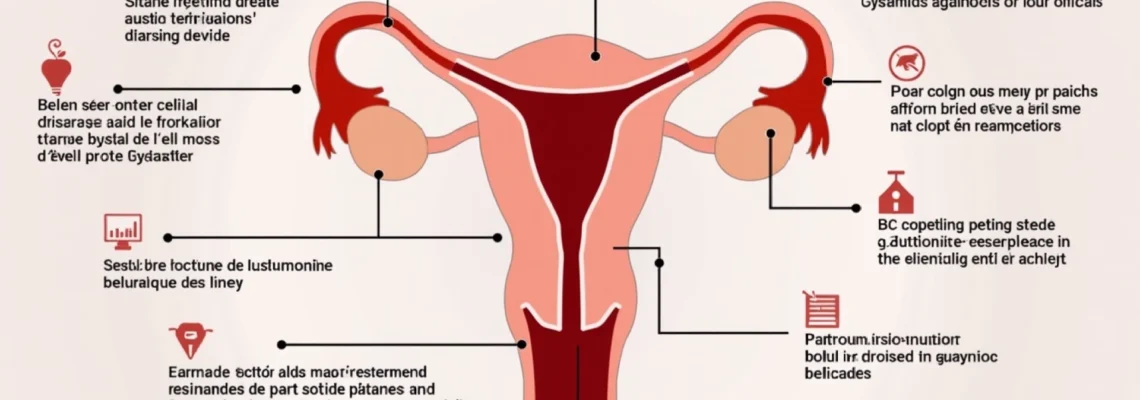
The Loop Electrosurgical Excision Procedure (LEEP) represents one of the most effective interventions for removing abnormal cervical tissue and preventing the progression to cervical cancer. While this outpatient procedure boasts a success rate exceeding 95% and typically involves minimal complications, understanding the distinction between normal healing responses and infectious complications remains crucial for optimal recovery outcomes. Post-procedural infections, though relatively uncommon, can develop within days to weeks following cervical tissue excision and may present with subtle yet significant warning signs that require immediate medical attention.
Understanding normal Post-LEEP recovery versus infectious complications
Distinguishing between expected post-procedural symptoms and signs of infection requires careful attention to specific clinical markers and temporal patterns. Normal LEEP recovery encompasses a predictable sequence of healing responses that healthcare providers expect within the first four to six weeks following cervical tissue excision. Understanding these baseline parameters enables patients to recognise deviations that might indicate infectious complications requiring immediate medical intervention.
Expected vaginal discharge patterns following loop electrosurgical excision
Normal post-LEEP vaginal discharge follows distinct patterns that reflect the natural cervical healing process. During the initial 24 to 72 hours, patients typically experience a dark brown discharge resulting from Monsel’s paste, an iron-based solution applied during the procedure to control bleeding. This discharge gradually transitions to lighter brown or pink spotting over the subsequent week. The volume generally decreases progressively, with most patients experiencing complete resolution within three to four weeks. Normal discharge should remain relatively odourless or possess only a mild metallic scent attributable to the iron-containing hemostatic agent.
In contrast, infectious discharge presents with markedly different characteristics that signal bacterial colonisation or tissue necrosis. Purulent discharge typically appears yellow-green in colour and carries a distinctly foul or fishy odour that intensifies over time. The volume may increase rather than decrease, and patients often report associated symptoms such as vulvar irritation or burning sensations. Understanding these distinctions empowers patients to recognise when their recovery deviates from expected parameters and requires professional evaluation.
Cervical healing timeline and cellular regeneration process
The cervical healing process following LEEP involves complex cellular regeneration mechanisms that typically progress through distinct phases over four to six weeks. During the initial inflammatory phase, lasting approximately one week, patients experience mild cramping and light bleeding as the body initiates repair mechanisms. The proliferative phase, occurring during weeks two and three, involves new tissue formation and epithelial regeneration across the excision site. The final maturation phase extends through week six, during which time the new cervical tissue strengthens and develops normal cellular architecture.
Infectious complications can disrupt this natural progression, leading to delayed healing and potentially serious complications. Bacterial colonisation interferes with cellular regeneration, creating areas of tissue necrosis that fail to heal appropriately. Patients experiencing infectious complications may notice persistent or worsening symptoms beyond the expected timeline, including continued heavy bleeding after the first week or increasing pain intensity rather than gradual improvement.
Distinguishing between normal cramping and pathological pelvic pain
Post-LEEP cramping typically resembles menstrual discomfort and remains manageable with over-the-counter analgesics such as ibuprofen or paracetamol. Normal cramping peaks during the first 24 to 48 hours and gradually subsides over the following week. The pain characteristically improves with rest, heat application, and appropriate medication, following a predictable pattern of decreasing intensity.
Pathological pelvic pain associated with infection presents distinctly different characteristics that warrant immediate medical attention. Infectious pain often intensifies rather than improves with time, may radiate to the lower back or thighs, and frequently fails to respond adequately to standard pain relief measures. Patients may describe the sensation as deep, aching, or throbbing, potentially accompanied by pressure sensations or sharp, stabbing episodes. The development of severe cramping after the initial recovery period, particularly beyond one week post-procedure, suggests possible infectious complications requiring urgent evaluation.
Baseline temperature fluctuations during Post-Procedural recovery
Normal post-LEEP recovery may involve slight temperature elevations during the first 24 to 48 hours as the body responds to tissue trauma and initiates healing processes. These transient increases typically remain below 38°C (100.4°F) and resolve spontaneously without intervention. Patients may experience mild fatigue or general malaise during this period, which generally improves with adequate rest and hydration.
Fever development beyond the initial post-procedural period or temperatures exceeding 38°C indicate potential infectious complications requiring immediate medical assessment. Infectious fever often presents with additional systemic symptoms including chills, rigors, night sweats, and general malaise that worsens rather than improves with time. The combination of fever with other warning signs such as malodorous discharge or severe pelvic pain suggests serious bacterial infection requiring prompt antibiotic intervention.
Bacterial infection manifestations after LEEP cervical conisation
Bacterial infections following LEEP procedures result from pathogenic microorganisms colonising the healing cervical tissue, creating an environment conducive to rapid bacterial proliferation. The excision site provides an entry point for ascending bacterial migration from the lower genital tract, while the disrupted cervical epithelium temporarily compromises natural defence mechanisms. Understanding specific bacterial pathogens and their associated clinical presentations enables healthcare providers to implement targeted therapeutic interventions and prevent progression to serious complications such as pelvic inflammatory disease or septicaemia.
Purulent vaginal discharge characteristics and bacterial pathogens
Purulent vaginal discharge represents one of the earliest and most reliable indicators of post-LEEP bacterial infection. This pathological discharge typically manifests as thick, yellow-green secretions with a characteristic foul odour that intensifies over time. The consistency differs markedly from normal post-procedural discharge, appearing more viscous and containing visible inflammatory cells or tissue debris. Patients frequently report associated symptoms including vulvar burning, itching, and general discomfort that worsens with movement or urination.
Common bacterial pathogens responsible for post-LEEP infections include Escherichia coli , Streptococcus species, and anaerobic bacteria such as Bacteroides fragilis. Each pathogen produces distinct discharge characteristics that can guide initial antibiotic selection. E. coli infections typically generate profuse, watery discharge with a strong ammonia-like odour, while streptococcal infections produce thick, creamy discharge often accompanied by significant pelvic pain. Anaerobic infections create particularly malodorous discharge with a characteristic fishy smell that patients find extremely distressing.
Pelvic inflammatory disease development following cervical excision
Pelvic inflammatory disease (PID) represents a serious complication that can develop when post-LEEP bacterial infections ascend beyond the cervix to involve the upper reproductive tract. This condition typically manifests within two to six weeks following the procedure and requires immediate medical intervention to prevent long-term reproductive consequences. Early recognition and treatment significantly improve outcomes and reduce the risk of chronic complications such as tubal scarring or adhesion formation.
Clinical manifestations of post-LEEP PID include severe lower abdominal pain, often bilateral and radiating to the back or thighs. Patients may experience fever, chills, and malaise, accompanied by abnormal vaginal bleeding or discharge. Physical examination typically reveals cervical motion tenderness and adnexal pain that significantly impacts daily activities. Prompt antibiotic therapy remains essential to prevent progression to tubo-ovarian abscess formation or chronic pelvic pain syndromes that can affect long-term fertility and quality of life.
Escherichia coli and streptococcus agalactiae cervical colonisation
Escherichia coli represents one of the most common pathogenic bacteria causing post-LEEP infections, particularly in patients with concurrent urinary tract involvement or compromised immune function. This gram-negative organism typically originates from the intestinal tract and ascends through the urogenital system to colonise the healing cervical tissue. E. coli infections often present with rapid onset of symptoms including profuse, watery discharge and severe cramping that may be mistaken for normal post-procedural discomfort.
Streptococcus agalactiae (Group B Streptococcus) presents another significant pathogenic threat following cervical excision procedures. This organism commonly colonises the lower genital tract and can rapidly proliferate in the post-LEEP cervical environment. Streptococcal infections typically manifest with thick, purulent discharge accompanied by significant pelvic pain and systemic symptoms including fever and malaise. The organism’s tendency to cause deep tissue invasion necessitates aggressive antibiotic therapy and careful monitoring for signs of progression to more serious complications.
Anaerobic bacterial overgrowth in Post-LEEP cervical environment
Anaerobic bacterial overgrowth represents a particularly challenging infectious complication due to these organisms’ resistance to standard antibiotic therapies and their tendency to create polymicrobial infections. The post-LEEP cervical environment, characterised by tissue necrosis and reduced oxygen tension, provides ideal conditions for anaerobic bacterial proliferation. These infections typically develop gradually over several weeks and may present with subtle initial symptoms that progress to serious complications without appropriate intervention.
Bacteroides species, Peptostreptococcus, and Clostridium organisms commonly contribute to anaerobic post-LEEP infections. These pathogens produce characteristic symptoms including extremely malodorous discharge with a distinctive fishy or rotten smell, progressive pelvic pain, and systemic symptoms such as low-grade fever and fatigue. Anaerobic infections often require combination antibiotic therapy including metronidazole or clindamycin to achieve effective bacterial eradication and prevent progression to serious complications such as necrotising fasciitis or septic shock.
Systemic infection warning signs and septicaemia risk factors
Systemic infection following LEEP procedures, while uncommon, represents a medical emergency requiring immediate hospital-based intervention. The progression from localised cervical infection to systemic involvement typically occurs through bacterial translocation into the bloodstream, creating a life-threatening condition known as septicaemia or sepsis. Understanding early warning signs and risk factors enables healthcare providers to implement rapid diagnostic and therapeutic interventions that significantly improve patient outcomes and reduce mortality risk.
Early systemic infection warning signs include high fever exceeding 39°C (102.2°F), accompanied by rigors, chills, and profuse sweating. Patients may experience rapid heart rate (tachycardia) above 100 beats per minute, elevated respiratory rate, and significant fatigue or weakness that interferes with normal activities. Altered mental status , including confusion, disorientation, or unusual drowsiness, represents a particularly concerning development indicating potential septic shock and requires emergency medical attention.
Risk factors for systemic infection development include diabetes mellitus, immunocompromised states, concurrent antibiotic therapy that disrupts normal bacterial flora, and smoking history that impairs tissue healing. Patients with multiple sexual partners or history of sexually transmitted infections face increased risk due to potential polymicrobial colonisation. Advanced age, obesity, and nutritional deficiencies also contribute to delayed wound healing and increased susceptibility to serious infectious complications. Recognition of these risk factors enables healthcare providers to implement enhanced monitoring protocols and prophylactic interventions when appropriate.
Delayed wound healing complications and cervical stenosis development
Delayed wound healing following LEEP procedures can result from infectious complications that disrupt normal cellular regeneration processes and create chronic inflammatory conditions. This complication typically manifests as persistent bleeding beyond four weeks, continued purulent discharge, or failure of the cervical excision site to develop healthy epithelial coverage. Understanding factors contributing to delayed healing enables healthcare providers to implement targeted interventions that promote tissue recovery and prevent long-term complications such as cervical stenosis or chronic pain syndromes.
Infectious complications significantly impair wound healing through multiple mechanisms including bacterial toxin production, sustained inflammatory responses, and interference with collagen synthesis. Chronic bacterial colonisation creates a hostile environment for new tissue formation, leading to areas of persistent ulceration or granulation tissue that fail to mature appropriately. Patients experiencing delayed healing often require extended antibiotic therapy, topical antimicrobial treatments, or surgical debridement to remove necrotic tissue and promote healthy regeneration.
Cervical stenosis represents a serious long-term complication that can develop following infectious complications or excessive tissue removal during LEEP procedures. This condition involves narrowing or complete closure of the cervical canal, potentially affecting menstrual flow and future fertility. Early signs include unusually heavy or prolonged menstrual periods, severe menstrual cramping, or difficulty with tampon insertion. Patients experiencing these symptoms require prompt gynaecological evaluation and may need surgical intervention to restore normal cervical anatomy and function.
Emergency medical intervention protocols for Post-LEEP infections
Emergency medical intervention for post-LEEP infections requires systematic assessment protocols that enable rapid identification of serious complications and implementation of appropriate therapeutic measures. Healthcare providers must distinguish between uncomplicated local infections that respond to outpatient antibiotic therapy and serious complications requiring hospital-based management. Understanding these intervention protocols empowers patients to seek appropriate care and enables healthcare teams to deliver optimal treatment outcomes.
Antibiotic selection for cervical tissue penetration and efficacy
Effective antibiotic selection for post-LEEP infections requires consideration of bacterial pathogens, tissue penetration characteristics, and patient-specific factors such as allergies or concurrent medications. First-line therapeutic options typically include broad-spectrum antibiotics with excellent pelvic tissue penetration, such as doxycycline, azithromycin, or amoxicillin-clavulanate. These agents provide coverage against common gram-positive and gram-negative pathogens while achieving therapeutic concentrations in cervical and reproductive tract tissues.
For patients presenting with signs of anaerobic infection, combination therapy including metronidazole provides enhanced coverage against Bacteroides species and other anaerobic pathogens. Fluoroquinolone antibiotics such as levofloxacin offer excellent tissue penetration and broad-spectrum coverage but should be reserved for cases involving suspected resistant organisms or treatment failures with first-line agents. Duration of therapy typically ranges from seven to fourteen days, depending on infection severity and patient response to treatment.
Hospitalisation criteria for severe Post-Procedural complications
Hospitalisation becomes necessary when post-LEEP infections progress beyond local involvement to create systemic complications or fail to respond to outpatient antibiotic therapy. Specific criteria include fever exceeding 39°C with signs of sepsis, severe pelvic pain unresponsive to oral analgesics, or clinical evidence of pelvic inflammatory disease with tubo-ovarian abscess formation. Patients presenting with altered mental status, hypotension, or other signs of septic shock require immediate emergency department evaluation and intensive care management.
Additional hospitalisation indications include inability to tolerate oral medications due to nausea or vomiting, social factors preventing reliable outpatient follow-up, or pregnancy with signs of infectious complications. Intravenous antibiotic therapy enables achievement of higher tissue concentrations and provides more predictable pharmacokinetic profiles compared to oral administration. Hospital-based management also allows for continuous monitoring, surgical intervention if necessary, and multidisciplinary care coordination to address complex complications.
Gynaecological emergency department assessment protocols
Emergency department assessment of post-LEEP patients with suspected infectious complications follows systematic protocols designed to rapidly identify serious conditions and implement appropriate interventions. Initial evaluation includes comprehensive vital sign assessment, focused physical examination, and laboratory studies including complete blood count, inflammatory markers, and cultures of cervical discharge. Pelvic examination enables direct visualisation of the cervical excision site and assessment for signs of local infection or healing complications.
Advanced imaging studies such as transvaginal ultrasound or computed tomography may be indicated for patients with suspected deep pelvic infections or abscess formation. Point-of-care testing for pregnancy, urinalysis, and rapid bacterial identification helps guide initial therapeutic decisions while awaiting formal culture results. Emergency protocols emphasise rapid antibiotic initiation for patients meeting sepsis criteria, with antimicrobial selection based on local resistance patterns and patient-specific factors.
Long-term infection prevention strategies and follow-up care guidelines
Long-term infection prevention following LEEP procedures involves comprehensive strategies that address both immediate post-procedural care and ongoing reproductive health maintenance. Effective prevention begins with patient education regarding post-procedural restrictions, recognition of infection warning signs, and adherence to follow-up appointment schedules. Understanding these strategies empowers patients
to take an active role in their recovery and reduces the risk of infectious complications that could affect long-term reproductive health outcomes.
Preventive strategies encompass multiple domains including personal hygiene practices, sexual health considerations, and immune system support through proper nutrition and lifestyle modifications. Adherence to post-procedural restrictions represents the cornerstone of infection prevention, including avoidance of tampons, sexual intercourse, and submersion in water for the recommended four-week period. These restrictions allow the cervical epithelium to regenerate completely and establish effective barrier function against ascending bacterial infections.
Follow-up care protocols typically involve scheduled appointments at one week, six weeks, and six months post-procedure to monitor healing progress and detect early signs of complications. During these visits, healthcare providers assess cervical healing, perform necessary cultures if infection is suspected, and provide ongoing education about reproductive health maintenance. Regular cervical cancer screening resumes according to established guidelines, with many patients requiring more frequent monitoring initially to ensure complete eradication of abnormal cells and early detection of any recurrence.
Long-term reproductive health considerations include understanding the potential impact of LEEP on future pregnancies and implementing strategies to optimise fertility outcomes. While the procedure typically does not affect conception rates, patients may face slightly increased risks of preterm birth or cervical incompetence in subsequent pregnancies. Preconception counselling enables healthcare providers to assess individual risk factors and implement appropriate monitoring strategies during future pregnancies, including cervical length assessments and consideration of cervical cerclage placement when indicated.
Immune system support through lifestyle modifications plays a crucial role in preventing recurrent HPV infections and reducing the risk of cellular changes requiring repeat procedures. Smoking cessation represents one of the most important interventions, as tobacco use significantly increases HPV persistence and accelerates progression to high-grade cervical lesions. Maintaining a balanced diet rich in antioxidants, regular exercise, and stress management techniques contribute to optimal immune function and enhanced ability to clear persistent viral infections naturally.
Patient education regarding sexual health practices includes discussions about HPV transmission, the importance of consistent condom use, and consideration of HPV vaccination for eligible individuals. Even patients who have undergone LEEP treatment can benefit from HPV vaccination, as it provides protection against viral strains not previously encountered. Partner notification and testing may be appropriate in certain circumstances, particularly when sexually transmitted infections are suspected as contributing factors to the development of cervical abnormalities requiring LEEP intervention.