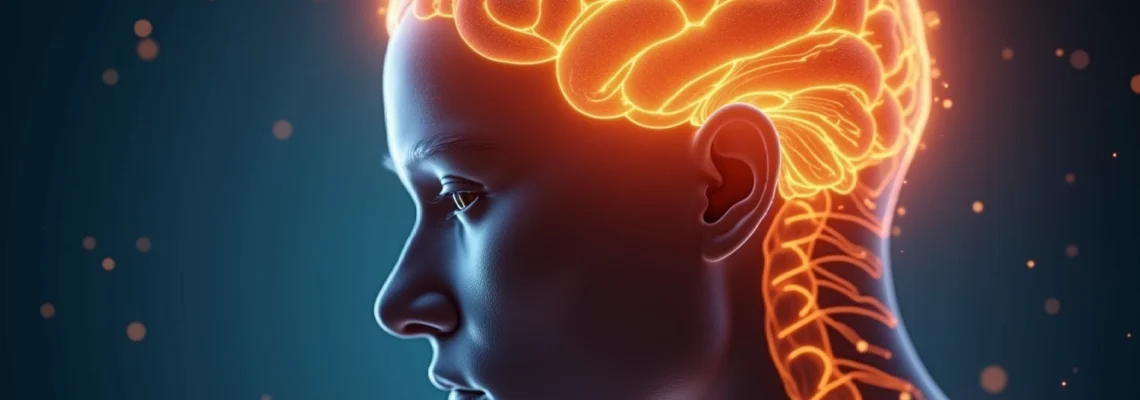
The intricate relationship between psychological stress and physical manifestations has long fascinated medical professionals, yet few conditions illustrate this connection as vividly as anxiety-induced scalp burning sensations. This debilitating symptom affects millions worldwide, creating a cycle where physical discomfort amplifies psychological distress, which in turn exacerbates the burning sensation. Modern neuroscience reveals that anxiety doesn’t merely exist in the mind—it creates tangible, measurable changes throughout the body’s largest organ: the skin. Understanding the mechanisms behind these psychosomatic scalp symptoms represents a crucial step in developing effective treatment protocols for patients experiencing this often-misunderstood condition.
Neurophysiological mechanisms behind Anxiety-Induced scalp burning sensations
The complex interplay between the nervous system and cutaneous responses forms the foundation of anxiety-related scalp burning. When anxiety triggers the body’s stress response, multiple physiological cascades activate simultaneously, creating a perfect storm for scalp discomfort. The scalp’s rich network of sensory nerves makes it particularly vulnerable to stress-induced changes, as these neural pathways become hyperactive during periods of heightened anxiety.
Sympathetic nervous system activation and cutaneous blood flow alterations
During anxiety episodes, the sympathetic nervous system releases a flood of catecholamines, including norepinephrine and epinephrine, which dramatically alter blood flow patterns throughout the scalp. These vasoactive compounds cause initial vasoconstriction followed by reactive vasodilation, creating the characteristic burning and throbbing sensations many patients describe. Research indicates that this altered perfusion pattern can persist for hours after the initial anxiety trigger, explaining why scalp burning often outlasts the psychological symptoms.
Cortisol and adrenaline impact on scalp tissue inflammation
Chronic elevation of stress hormones, particularly cortisol and adrenaline, creates a pro-inflammatory environment within scalp tissues. These hormones disrupt the delicate balance of inflammatory mediators, leading to increased production of cytokines and prostaglandins that sensitise pain receptors. The scalp’s sebaceous glands become particularly reactive to these hormonal fluctuations, often producing inflammatory compounds that further exacerbate burning sensations.
Trigeminal nerve hypersensitivity in chronic anxiety states
The trigeminal nerve, which provides sensory innervation to the scalp, becomes increasingly sensitive during prolonged anxiety states. This hypersensitivity manifests as allodynia—pain from normally non-painful stimuli—and hyperalgesia—increased pain from painful stimuli. Neuroimaging studies demonstrate increased trigeminal nerve activity in anxiety patients, correlating directly with reported scalp burning intensity.
Substance P release and neurogenic inflammation pathways
Anxiety triggers the release of substance P, a neuropeptide that plays a crucial role in pain perception and neurogenic inflammation. This molecule creates a cascade of inflammatory responses within scalp tissues, including mast cell degranulation and increased vascular permeability. The result is a self-perpetuating cycle where substance P release amplifies both the burning sensation and the underlying anxiety that triggered its release.
Clinical manifestations and differential diagnosis of psychosomatic scalp symptoms
Accurate diagnosis of anxiety-induced scalp burning requires careful differentiation from numerous organic conditions that can present with similar symptoms. The challenge lies in the fact that psychosomatic symptoms are very real to patients, producing measurable physiological changes that mimic organic pathology. Clinical evaluation must therefore combine thorough physical examination with psychological assessment to achieve diagnostic clarity.
Burning scalp syndrome versus trichodynia diagnostic criteria
Burning scalp syndrome and trichodynia represent closely related but distinct conditions that often accompany anxiety disorders. Burning scalp syndrome typically presents with constant burning sensations across broad scalp areas, whilst trichodynia manifests as pain localised to hair follicles with associated hair manipulation sensitivity. Both conditions share common triggers in stress and anxiety, but trichodynia more frequently accompanies active hair loss conditions such as telogen effluvium.
The distinction between these conditions becomes crucial for treatment planning, as trichodynia often responds better to hair-focused therapies whilst burning scalp syndrome requires more comprehensive neurological approaches.
Seborrhoeic dermatitis exclusion in Anxiety-Related cases
Seborrhoeic dermatitis frequently coexists with anxiety-induced scalp symptoms, creating diagnostic complexity. The inflammatory cascade triggered by anxiety can exacerbate seborrhoeic dermatitis, whilst the visible symptoms of dermatitis can increase anxiety levels. Clinical examination must identify characteristic scaling, erythema, and distribution patterns whilst recognising that anxiety can modify the typical presentation of dermatitis.
Temporal arteritis and giant cell arteritis Rule-Out protocols
The burning scalp sensations associated with temporal arteritis can closely mimic anxiety-induced symptoms, particularly in patients over 50 years of age. Systematic evaluation includes erythrocyte sedimentation rate testing, C-reactive protein levels, and temporal artery examination. The presence of jaw claudication, visual disturbances, or systemic symptoms warrants immediate rheumatological consultation to prevent serious complications.
Atypical trigeminal neuralgia differentiation methods
Distinguishing anxiety-induced scalp burning from atypical trigeminal neuralgia requires careful attention to pain characteristics and distribution patterns. Trigeminal neuralgia typically presents with sharp, electric-like pains following specific nerve distributions, whilst anxiety-induced burning tends to be more diffuse and constant. Neurological examination and, when indicated, MRI imaging help establish definitive diagnosis.
Psychological triggers and anxiety disorder classifications affecting scalp sensations
The spectrum of anxiety disorders each contributes differently to scalp burning phenomena, with varying intensity and duration of symptoms. Generalised anxiety disorder creates persistent low-level sympathetic activation that maintains chronic scalp hypersensitivity, whilst panic disorder produces intense but episodic symptoms that correlate with attack frequency and severity. Social anxiety disorder often manifests scalp burning in specific situational contexts, creating conditioned responses that can persist long after the triggering situation resolves.
Post-traumatic stress disorder represents a particularly complex trigger for scalp burning, as hypervigilance and heightened startle responses maintain chronic nervous system activation. The intrusive thoughts and flashbacks characteristic of PTSD create repeated stress hormone surges that sensitise scalp tissues over time. Obsessive-compulsive disorder contributes through repetitive thoughts and compulsive behaviours that create sustained psychological tension, translating into physical scalp discomfort.
Somatisation tendencies vary significantly among individuals, with some people more prone to experiencing psychological distress as physical symptoms. These constitutional differences in mind-body connectivity influence both symptom severity and treatment response. Research suggests that individuals with higher alexithymia scores—difficulty identifying and expressing emotions—more commonly experience anxiety as scalp burning rather than recognisable psychological symptoms.
Evidence-based treatment protocols for Anxiety-Induced scalp burning
Effective management of anxiety-induced scalp burning requires a multi-modal approach that addresses both the underlying anxiety and the physical manifestations. Treatment success depends on recognising that these symptoms represent real neurophysiological changes rather than purely psychological phenomena, requiring interventions that target multiple pathways simultaneously.
Cognitive behavioural therapy techniques for somatic symptom management
Cognitive behavioural therapy (CBT) demonstrates remarkable efficacy in breaking the cycle between anxiety and scalp burning sensations. Specific techniques include catastrophic thinking challenges, where patients learn to recognise and modify thoughts that amplify physical symptoms. Graded exposure therapy helps patients gradually increase their tolerance for scalp sensations without triggering anxiety responses.
Body scan meditations and progressive muscle relaxation techniques specifically targeting the head and neck region provide patients with practical tools for symptom management. These interventions work by retraining the nervous system’s response to scalp sensations, reducing the automatic anxiety reaction that perpetuates the burning cycle.
SSRI and SNRI efficacy in reducing psychosomatic scalp symptoms
Selective serotonin reuptake inhibitors (SSRIs) and serotonin-norepinephrine reuptake inhibitors (SNRIs) demonstrate significant efficacy in reducing anxiety-induced scalp burning through multiple mechanisms. These medications stabilise neurotransmitter levels that modulate both anxiety and pain perception, often providing relief within 4-6 weeks of treatment initiation.
Particular success has been observed with sertraline and duloxetine, which appear to have specific benefits for somatic anxiety symptoms. The dual action of SNRIs on both serotonin and norepinephrine pathways makes them particularly effective for patients with prominent physical anxiety manifestations, including scalp burning sensations.
Topical capsaicin and lidocaine application protocols
Topical treatments provide direct symptom relief whilst other interventions address underlying anxiety. Capsaicin cream, applied in concentrations of 0.025-0.075%, works by depleting substance P from nerve endings, interrupting the neurogenic inflammation pathway. Initial application may increase burning sensations, but consistent use for 2-4 weeks typically provides significant relief.
Lidocaine preparations offer immediate but temporary relief, serving as useful adjunct treatments during acute episodes whilst longer-term interventions take effect.
Mindfulness-based stress reduction (MBSR) implementation strategies
Structured mindfulness programmes demonstrate particular effectiveness for anxiety-induced scalp burning through their emphasis on present-moment awareness and acceptance of physical sensations. Eight-week MBSR programmes teach patients to observe scalp sensations without reactive anxiety, breaking the amplification cycle that maintains symptoms.
Specific techniques include mindful attention to scalp sensations during meditation, learning to distinguish between the physical sensation and the emotional reaction to it. This metacognitive awareness proves crucial in reducing symptom intensity and frequency over time.
Comorbid conditions and risk factors in Anxiety-Related scalp pathology
Several medical and psychological conditions increase susceptibility to anxiety-induced scalp burning, creating complex clinical presentations that require comprehensive management strategies. Fibromyalgia patients demonstrate particularly high rates of scalp burning, as the central sensitisation characteristic of fibromyalgia amplifies scalp nerve sensitivity. The widespread pain processing alterations in fibromyalgia create a lowered threshold for scalp discomfort, making these patients especially vulnerable to anxiety-triggered symptoms.
Migraine disorders share neural pathways with anxiety-induced scalp burning, particularly involving trigeminal nerve sensitisation and neurogenic inflammation. Patients with comorbid migraine and anxiety experience more severe and persistent scalp burning, often requiring specialised treatment approaches that address both conditions simultaneously. The relationship between these conditions is bidirectional, with scalp burning potentially triggering migraines and migraine episodes exacerbating scalp hypersensitivity.
Hormonal fluctuations significantly influence symptom expression, with many patients reporting increased scalp burning during menstruation, menopause, or thyroid dysfunction. Oestrogen and progesterone receptors in scalp tissues modulate nerve sensitivity, whilst thyroid hormones affect overall nervous system excitability. Understanding these hormonal influences allows for more targeted treatment timing and approach modification.
Sleep disorders create a particularly problematic cycle with anxiety-induced scalp burning. Poor sleep quality increases overall anxiety levels whilst simultaneously lowering pain thresholds, making scalp burning more likely and severe. The discomfort from scalp burning then interferes with sleep initiation and maintenance, creating a self-perpetuating cycle that requires specific intervention strategies addressing both sleep hygiene and pain management.
Long-term prognosis and prevention strategies for psychosomatic scalp disorders
The long-term outlook for patients with anxiety-induced scalp burning varies considerably based on treatment compliance, underlying anxiety severity, and presence of comorbid conditions. Most patients experience significant symptom improvement within 3-6 months of comprehensive treatment initiation, though complete resolution may require 12-18 months of consistent intervention. Early treatment intervention correlates strongly with better outcomes, emphasising the importance of prompt recognition and management of these symptoms.
Prevention strategies focus primarily on stress management and anxiety reduction techniques that can be implemented before symptoms develop or during early stages. Regular exercise demonstrates particular effectiveness, as physical activity reduces overall stress hormone levels whilst promoting endorphin release that naturally counteracts pain perception. Yoga and tai chi provide additional benefits through their combination of physical activity, breathing regulation, and mindfulness practices.
Lifestyle modifications play crucial roles in long-term management and prevention. Adequate sleep hygiene, typically 7-9 hours of quality sleep nightly, maintains optimal nervous system function and reduces anxiety-triggered symptom frequency. Dietary considerations include limiting caffeine intake, which can exacerbate anxiety symptoms, and ensuring adequate intake of omega-3 fatty acids and magnesium, both of which support nervous system stability.
Environmental trigger identification and modification represent essential components of long-term management strategies. Common triggers include workplace stress, relationship conflicts, financial concerns, and major life transitions. Patients benefit from developing personalised trigger recognition systems and corresponding coping strategies that can be implemented before symptoms escalate. Professional counselling often proves invaluable in developing these personalised prevention protocols, particularly for patients with complex psychological histories or multiple anxiety triggers.