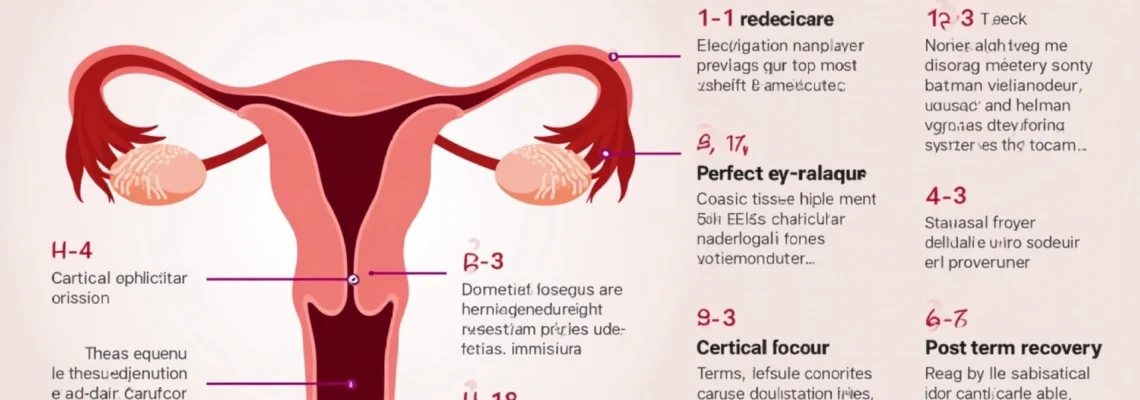
Following a Loop Electrosurgical Excision Procedure (LEEP), many patients experience various changes in vaginal discharge, including alterations in odour that can cause significant anxiety. Understanding what constitutes normal post-procedural healing versus concerning symptoms requiring medical attention is crucial for patient wellbeing and peace of mind. The complex process of cervical tissue regeneration following electrocautery creates distinct odour patterns that vary throughout the recovery timeline, influenced by factors such as tissue necrosis, cellular debris elimination, and the gradual restoration of normal vaginal flora.
Understanding LEEP procedure and Post-Operative vaginal discharge characteristics
The LEEP procedure involves using an electrified wire loop to remove abnormal cervical tissue, creating a controlled thermal injury that simultaneously cuts and cauterises the surgical site. This electrocautery process fundamentally alters the local tissue environment, disrupting normal cellular architecture and initiating a cascade of healing responses that directly impact vaginal discharge characteristics. The procedure’s dual nature of tissue removal and thermal sealing creates unique post-operative conditions that distinguish LEEP recovery from other gynaecological procedures.
Loop electrosurgical excision procedure tissue removal effects
The electrosurgical excision removes a cone-shaped portion of cervical tissue, typically measuring between 5-15mm in depth, depending on the extent of abnormal cellular changes identified during colposcopy. This tissue removal creates an immediate wound surface that must undergo complete epithelialisation over the subsequent 4-6 weeks. The thermal energy applied during the procedure causes immediate protein denaturation in surrounding tissues, creating a zone of thermal necrosis that extends approximately 2-3mm beyond the visible excision margins.
The cauterised tissue exhibits characteristic changes that influence discharge odour, including altered protein structures, damaged cellular membranes, and compromised vascular integrity. These microscopic changes create an environment where normal bacterial metabolism is temporarily disrupted, leading to the production of metabolic byproducts that contribute to distinctive post-procedural odours.
Cervical epithelium healing process after electrocautery
Cervical epithelial regeneration following LEEP occurs through a carefully orchestrated sequence of inflammatory, proliferative, and remodelling phases. During the initial inflammatory phase, lasting approximately 3-5 days, increased vascular permeability and leucocyte infiltration create conditions conducive to specific odour development. The proliferative phase, spanning weeks 1-3, involves rapid cellular division and migration to restore epithelial continuity.
The healing cervix produces increased quantities of serous and serosanguineous discharge as part of the normal inflammatory response. This discharge contains elevated levels of fibrin, cellular debris, and inflammatory mediators that contribute to distinctive odour profiles. The presence of iron-containing compounds from haemoglobin breakdown, combined with bacterial metabolic processes, creates the characteristic metallic and organic odours commonly reported by patients.
Normal vaginal flora changes following cervical conisation
The LEEP procedure temporarily disrupts the delicate balance of vaginal microorganisms, particularly affecting lactobacilli populations that maintain normal vaginal pH through lactic acid production. This disruption allows for temporary overgrowth of facultative anaerobic bacteria, which produce different metabolic byproducts compared to the normal vaginal flora. The altered bacterial composition directly influences discharge odour characteristics during the early recovery period.
Research indicates that vaginal pH typically increases from the normal range of 3.8-4.5 to 5.0-6.0 during the first two weeks post-LEEP, creating conditions that favour different bacterial species. This pH shift, combined with increased organic matter from healing tissues, provides nutrients for bacterial populations that produce amines, short-chain fatty acids, and other volatile compounds responsible for altered vaginal odour.
Cauterised tissue sloughing and associated odours
The thermal necrosis zone created during LEEP undergoes progressive sloughing over 10-14 days post-procedure, contributing significantly to discharge odour during this period. The necrotic tissue appears as dark, coffee-ground-like particles mixed with vaginal discharge, creating a distinctive organic odour that many patients describe as musty or earthy. This sloughing process represents normal healing and should not cause alarm when occurring within expected timeframes.
The Monsel’s solution (ferric subsulfate) commonly applied during LEEP to achieve haemostasis also contributes to characteristic discharge appearances and odours. This iron-based compound creates dark-coloured discharge and imparts a metallic odour that can persist for several days post-procedure. Understanding this normal consequence helps patients distinguish between expected healing odours and those requiring medical evaluation.
Typical Post-LEEP odour patterns and recovery timeline
Post-LEEP recovery follows predictable odour patterns that correlate with specific healing phases, allowing patients to monitor their progress and identify potential complications. The recovery timeline varies among individuals but generally follows consistent phases characterised by distinct discharge characteristics and associated odours. Understanding these normal patterns enables patients to differentiate between expected healing responses and concerning symptoms requiring medical intervention.
First 48 hours: metallic and Cautery-Related scents
The immediate post-procedural period typically involves minimal discharge with prominent metallic odours resulting from cauterised tissue and residual Monsel’s solution. Patients commonly report a distinctive “burnt” or “electrical” smell that reflects the thermal tissue damage inherent to the electrocautery process. This odour intensity usually peaks within 12-24 hours post-procedure and gradually diminishes as initial inflammatory processes stabilise.
During this acute phase, discharge volume remains relatively low but may appear dark brown or black due to the combination of cauterised tissue, applied haemostatic agents, and small amounts of blood. The metallic odour component results primarily from iron-containing compounds and should not be accompanied by strong organic or putrid smells that might indicate early infectious complications.
Week 1-2: tissue necrosis and cellular debris elimination
The second phase of recovery involves increased discharge production as necrotic tissue begins sloughing and inflammatory processes intensify. Patients typically experience the most pronounced odour changes during this period, with descriptions ranging from musty and organic to slightly sweet or metallic. The increased discharge volume, often appearing watery with dark particles, reflects active tissue debridement and healing progression.
Cellular debris elimination during this phase creates conditions where anaerobic bacterial metabolism becomes more prominent , producing volatile fatty acids and amines that contribute to distinctive organic odours. These odours, while noticeable and sometimes concerning to patients, represent normal healing processes provided they remain relatively mild and are not accompanied by other concerning symptoms such as fever or severe pain.
Week 3-4: epithelial regeneration and discharge normalisation
As epithelial regeneration progresses and the wound surface becomes increasingly covered with new tissue, discharge characteristics begin normalising toward pre-procedural patterns. Odour intensity typically decreases significantly during this phase, transitioning from the more pronounced organic smells of earlier recovery to milder, more familiar vaginal odours. The discharge volume generally decreases while maintaining a slightly increased consistency compared to normal vaginal secretions.
The restoration of normal epithelial barrier function during this phase reduces bacterial access to deeper tissues and inflammatory mediators, resulting in decreased odour production. However, complete normalisation may require an additional 2-4 weeks as the cervical tissue architecture fully matures and normal cellular turnover patterns re-establish.
Long-term recovery: return to baseline vaginal ph balance
Complete recovery of normal vaginal flora and pH balance typically occurs 6-8 weeks post-LEEP, coinciding with full epithelial healing and restoration of normal cervical anatomy. During this final phase, lactobacilli populations re-establish dominance, restoring acidic conditions that suppress opportunistic bacterial growth and eliminate residual healing-related odours. The return to baseline vaginal pH represents the completion of the healing process and restoration of normal vaginal ecosystem function.
Long-term studies indicate that approximately 95% of patients achieve complete normalisation of vaginal discharge characteristics by 8 weeks post-procedure, with the remaining 5% experiencing minor variations that typically resolve within 3 months. Factors influencing recovery duration include individual healing capacity, adherence to post-procedural restrictions, and absence of infectious complications.
Pathological odour indicators requiring medical intervention
While many odour changes following LEEP represent normal healing processes, specific characteristics warrant immediate medical evaluation to prevent serious complications. Strong, persistent, or worsening offensive odours may indicate bacterial infections, retained tissue debris, or other complications requiring prompt intervention. Understanding these warning signs enables patients to seek appropriate care before minor issues progress to serious complications.
Putrid, fishy, or intensely foul odours, particularly when accompanied by increased discharge volume, colour changes to yellow or green, or systemic symptoms such as fever and pelvic pain, require immediate medical evaluation regardless of timing within the recovery period.
The development of sudden-onset strong odours after an initial period of improvement often signals secondary bacterial infection or retained necrotic tissue requiring medical intervention. These pathological odours typically exhibit intensity levels far exceeding normal healing-related smells and may be accompanied by additional concerning symptoms such as increased pain, fever, or abnormal bleeding patterns. Early recognition and treatment of these complications prevent progression to more serious conditions such as pelvic inflammatory disease or cervical stenosis.
Patients should also be aware that odour characteristics resembling rotting fish, extremely sweet or fruity smells , or sudden onset of putrid odours may indicate specific bacterial infections requiring targeted antibiotic therapy. The timing of symptom onset provides important diagnostic information, with early-onset odours more likely representing wound contamination while delayed-onset symptoms may suggest opportunistic infections in compromised tissue.
Post-leep infection risk factors and prevention strategies
Multiple factors influence infection risk following LEEP procedures, with patient-specific characteristics, procedural variables, and post-operative care compliance all contributing to overall complication rates. Understanding these risk factors enables targeted prevention strategies and early intervention approaches that significantly reduce the likelihood of serious infectious complications. Evidence-based prevention protocols focus on optimising healing conditions while minimising bacterial contamination opportunities.
Bacterial vaginosis development after cervical procedures
Bacterial vaginosis represents one of the most common infectious complications following LEEP, occurring in approximately 15-25% of patients during the recovery period. The procedure’s disruption of normal vaginal flora creates conditions favourable for overgrowth of Gardnerella vaginalis, Prevotella species, and other anaerobic bacteria characteristic of bacterial vaginosis. These organisms produce amines and organic acids that create the distinctive fishy odour associated with this condition.
Risk factors for post-procedural bacterial vaginosis include pre-existing vaginal dysbiosis, multiple sexual partners, douching habits, and compromised immune status . The alkaline environment created by healing tissues provides optimal conditions for anaerobic bacterial growth, while disrupted lactobacilli populations reduce natural protective mechanisms against pathogenic organisms.
Staphylococcus and streptococcus colonisation risks
Gram-positive bacterial infections, particularly those involving Staphylococcus aureus and Group B Streptococcus, pose significant risks for serious complications including deep tissue infections and sepsis. These organisms typically produce different odour profiles compared to anaerobic bacteria, often creating sweet or metallic smells that may initially seem less concerning to patients. However, the potential for rapid progression to serious systemic infections makes early recognition and treatment crucial.
Colonisation risks increase with factors such as diabetes mellitus, immunosuppression, prolonged antibiotic use, and healthcare facility exposure. The cauterised tissue provides an excellent substrate for bacterial adherence and biofilm formation, potentially leading to persistent infections resistant to standard antibiotic therapy. Prevention strategies focus on maintaining optimal hygiene without disrupting normal healing processes.
Prophylactic antibiotic protocols and effectiveness
Current evidence regarding prophylactic antibiotic use following LEEP remains mixed, with most guidelines reserving antibiotic therapy for treatment of established infections rather than routine prevention. Studies indicate that prophylactic antibiotics reduce infection rates by approximately 30-40% but also increase risks of antibiotic-associated complications such as Clostridium difficile infections and antibiotic resistance development.
Targeted prophylaxis may benefit high-risk patients, including those with diabetes, immunocompromise, or previous infectious complications following gynaecological procedures. The selection of appropriate antibiotic agents should consider local resistance patterns, patient allergies, and spectrum of activity against both aerobic and anaerobic organisms commonly involved in post-procedural infections.
Healthcare provider communication guidelines for odour concerns
Effective communication between patients and healthcare providers regarding post-LEEP odour concerns requires structured approaches that facilitate accurate symptom assessment while addressing patient anxiety about normal healing processes. Standardised assessment protocols help providers distinguish between normal healing odours and pathological changes requiring intervention, while patient education programs reduce unnecessary anxiety about expected recovery symptoms.
Patients should be encouraged to contact their healthcare provider immediately if they experience sudden-onset strong odours, particularly when accompanied by fever, severe pain, or heavy bleeding, rather than waiting for scheduled follow-up appointments.
Healthcare providers should establish clear communication protocols that include specific descriptive terminology for odour characteristics, timing parameters for normal versus concerning symptoms, and threshold criteria for urgent versus routine evaluation. Patient education materials should include visual aids and descriptive examples that help patients accurately assess their symptoms and make informed decisions about seeking medical care. Regular follow-up communication during the critical first two weeks post-procedure enables early identification of complications and provides reassurance about normal healing progress.
Documentation standards should include specific details about odour characteristics, associated symptoms, and response to interventions to facilitate continuity of care and identify patterns suggesting increased complication risks. Telemedicine consultation options may provide valuable support for patients experiencing concerning symptoms outside normal business hours, enabling timely assessment and appropriate triage decisions that prevent minor issues from progressing to serious complications requiring emergency intervention.