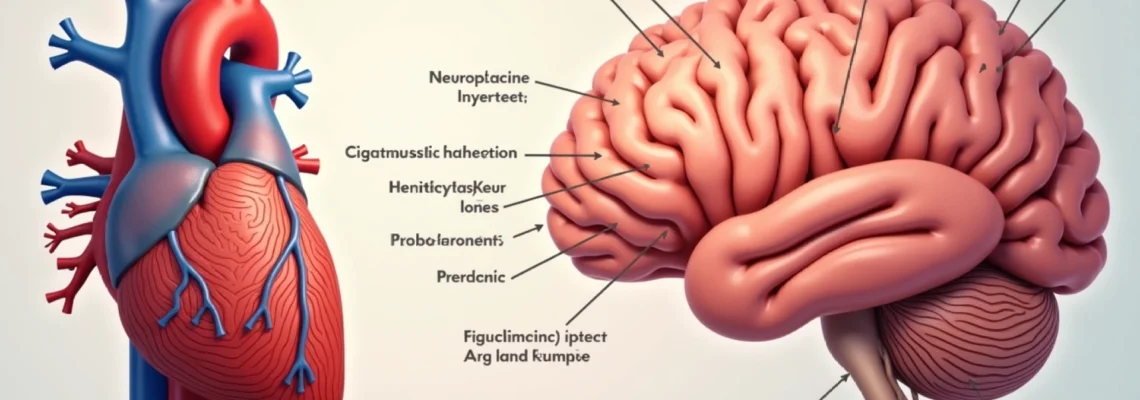
Armour Thyroid, a desiccated thyroid extract derived from porcine thyroid glands, has been prescribed for hypothyroidism since the early 20th century. While many patients report positive outcomes with this natural thyroid hormone replacement therapy, the medication carries significant risks that healthcare professionals and patients must carefully consider. The complex composition of Armour Thyroid, containing both T4 and T3 hormones in ratios that differ from human thyroid production, can lead to various adverse effects ranging from mild discomfort to life-threatening complications. Understanding these potential negative effects becomes crucial for anyone considering or currently using this medication, particularly given the growing popularity of natural thyroid alternatives despite limited regulatory oversight and quality control measures.
Cardiovascular complications associated with armour thyroid treatment
The cardiovascular system bears the brunt of many Armour Thyroid-related adverse effects, primarily due to the medication’s impact on thyroid hormone levels and subsequent metabolic changes. Thyrotoxicosis , a condition characterised by excessive thyroid hormone levels, represents the primary mechanism through which cardiovascular complications develop. This condition can emerge when patients take doses that exceed their physiological requirements or when absorption varies due to manufacturing inconsistencies in desiccated thyroid products.
The heart’s sensitivity to thyroid hormones makes cardiovascular monitoring essential during Armour Thyroid therapy. Unlike synthetic levothyroxine, which provides a steady release of T4 that converts to T3 as needed, Armour Thyroid delivers both hormones simultaneously, creating potential spikes in thyroid activity that can overwhelm the cardiovascular system. This dual-hormone approach can lead to rapid onset of symptoms and complications that may not occur with traditional synthetic alternatives.
Tachycardia and arrhythmia development in hypersensitive patients
Rapid heart rate, or tachycardia, frequently occurs in patients taking Armour Thyroid, particularly during the initial treatment phases or following dose adjustments. The medication’s T3 component acts more rapidly than T4, causing immediate stimulation of cardiac tissue and potentially triggering heart rates exceeding 100 beats per minute at rest. This effect proves especially problematic for individuals with pre-existing cardiac conditions or those sensitive to thyroid hormone fluctuations.
Arrhythmias represent a more serious manifestation of thyroid hormone excess, with atrial fibrillation being the most commonly reported irregular heart rhythm associated with Armour Thyroid use. The medication’s variable T3 content between batches can create unpredictable cardiac responses, making it challenging for healthcare providers to maintain optimal dosing. Palpitations , described by patients as racing, fluttering, or irregular heartbeats, often precede more serious arrhythmic events and should prompt immediate medical evaluation.
Hypertension exacerbation through T3-Mediated cardiac stimulation
Blood pressure elevation represents another significant cardiovascular concern with Armour Thyroid therapy. The medication’s T3 component directly stimulates cardiac output while simultaneously affecting peripheral vascular resistance, creating a dual mechanism for hypertension development. Patients with pre-existing hypertension face particular risks, as thyroid hormone excess can counteract the effects of antihypertensive medications and lead to dangerous blood pressure spikes.
The T3-mediated cardiac stimulation occurs through direct binding to thyroid hormone receptors in cardiac tissue, increasing both heart rate and contractility. This enhanced cardiac performance, while potentially beneficial in hypothyroid patients, can overwhelm the cardiovascular system when hormone levels exceed physiological needs. Blood pressure monitoring becomes crucial during Armour Thyroid initiation and dose adjustments, with some patients requiring modifications to their existing hypertension management strategies.
Myocardial infarction risk in elderly patients with coronary artery disease
Elderly patients with pre-existing coronary artery disease face elevated risks of myocardial infarction when using Armour Thyroid, particularly when treatment begins with standard adult doses rather than lower starting amounts. The medication’s ability to increase myocardial oxygen demand while potentially reducing supply through coronary artery changes creates a dangerous scenario for patients with compromised cardiac circulation. Case reports have documented acute coronary events in patients taking excessive doses of desiccated thyroid preparations.
The rapid absorption and action of T3 in Armour Thyroid can precipitate acute cardiac events in vulnerable populations. Unlike synthetic T4, which allows for gradual physiological conversion to active hormone, the immediate availability of T3 in desiccated preparations can overwhelm compensatory mechanisms in patients with limited cardiac reserve. This risk necessitates careful patient selection and potentially lower starting doses in elderly individuals or those with known cardiovascular disease.
Atrial fibrillation precipitation during initial dosing phases
Atrial fibrillation development during the early stages of Armour Thyroid treatment represents a well-documented complication that can persist even after dose reduction or medication discontinuation. The arrhythmia typically emerges within the first few weeks of treatment initiation, when patients’ systems adapt to the sudden influx of both T4 and T3 hormones. This timing suggests that the medication’s dual-hormone composition creates a more dramatic physiological impact than gradual hormone replacement approaches.
The mechanism underlying atrial fibrillation development involves direct thyroid hormone effects on atrial tissue, including shortened refractory periods and increased automaticity. Electrophysiological changes occur rapidly with T3 exposure, making the atria more susceptible to fibrillation triggers. Patients with underlying structural heart disease or previous episodes of atrial fibrillation face significantly higher risks, requiring careful monitoring and potentially alternative treatment approaches.
Neuropsychiatric adverse reactions to desiccated thyroid extract
The nervous system’s sensitivity to thyroid hormone fluctuations makes neuropsychiatric symptoms among the most commonly reported adverse effects of Armour Thyroid therapy. The brain’s dependence on precise thyroid hormone levels for optimal function means that even minor deviations from physiological norms can produce significant symptomatic changes. These effects often develop insidiously, making it challenging for patients and healthcare providers to recognise the connection between medication and symptoms.
The variable composition of desiccated thyroid preparations contributes to unpredictable neuropsychiatric effects, as batch-to-batch variations in hormone content can create fluctuating brain thyroid hormone levels. This inconsistency proves particularly problematic for patients who require stable hormone replacement, as seemingly minor changes in medication potency can trigger significant mood and cognitive alterations. The complexity of thyroid hormone’s effects on neurotransmitter systems further complicates the clinical picture, making symptom management challenging.
Anxiety disorders and panic attacks from excessive T3 levels
Anxiety represents one of the most distressing neuropsychiatric effects associated with Armour Thyroid use, often manifesting as generalised anxiety disorder or acute panic attacks. The medication’s T3 component can rapidly cross the blood-brain barrier and stimulate central nervous system activity, triggering fight-or-flight responses even in the absence of external stressors. Patients frequently describe feelings of impending doom, racing thoughts, and physical symptoms such as sweating and trembling that can be mistaken for primary anxiety disorders.
The relationship between thyroid hormone levels and anxiety involves complex interactions with neurotransmitter systems, particularly those involving norepinephrine and serotonin. Excessive T3 levels can sensitise these pathways, making patients more reactive to normal stressors and potentially triggering panic responses to previously manageable situations. This heightened anxiety state can persist for weeks or months after dose reduction, suggesting long-term neurochemical changes that extend beyond the medication’s immediate effects.
Insomnia and sleep pattern disruption mechanisms
Sleep disturbances represent a pervasive problem for many Armour Thyroid users, with insomnia affecting both sleep initiation and maintenance. The medication’s impact on circadian rhythm regulation occurs through multiple mechanisms, including direct effects on sleep-wake centres in the brain and alterations in body temperature regulation that interfere with natural sleep cues. Patients often report feeling simultaneously exhausted and “wired,” creating a paradoxical state that prevents restorative sleep.
The T3 component of Armour Thyroid proves particularly disruptive to sleep architecture, as this hormone directly influences metabolic rate and core body temperature. The rapid absorption of T3 can create hormone spikes during evening hours if medication timing isn’t optimised, leading to difficulty falling asleep and frequent nighttime awakenings. Sleep fragmentation becomes common, with patients experiencing multiple brief arousals that prevent deep sleep phases necessary for physical and mental restoration.
Tremor development through Beta-Adrenergic overstimulation
Tremor represents a hallmark sign of thyroid hormone excess and frequently occurs in patients taking Armour Thyroid, particularly during dose adjustments or periods of hormonal instability. The tremor typically manifests as a fine, rapid shaking of the hands and fingers, though it can affect other body parts including the voice and legs. This involuntary movement results from thyroid hormone’s stimulation of beta-adrenergic receptors, creating heightened nervous system activity that affects motor control.
The mechanism underlying tremor development involves thyroid hormone’s enhancement of sympathetic nervous system activity, leading to increased muscle fiber recruitment and altered motor unit firing patterns. Unlike tremors associated with neurological conditions, thyroid-induced tremor often responds to beta-blocker medications, suggesting its primarily peripheral origin. However, the tremor can significantly impact daily activities, affecting handwriting, fine motor tasks, and professional performance in occupations requiring steady hands.
Cognitive impairment and memory issues in overdosed patients
Paradoxically, excessive thyroid hormone levels from Armour Thyroid can impair cognitive function rather than enhance it, creating a clinical picture that resembles attention deficit disorders or early dementia. Patients frequently report difficulty concentrating, memory lapses, and reduced mental clarity that can be mistakenly attributed to ageing or stress rather than medication effects. This cognitive dysfunction often develops gradually, making it challenging to identify the connection to thyroid treatment.
The brain’s response to thyroid hormone excess involves alterations in neurotransmitter balance and cerebral blood flow patterns that can impair information processing and memory consolidation. Executive function becomes particularly affected, with patients struggling to organise thoughts, make decisions, and complete complex tasks that were previously manageable. These cognitive effects can persist for months after achieving optimal hormone levels, suggesting structural or functional brain changes that require time to reverse.
Mood instability and irritability from thyrotoxicosis
Mood disturbances associated with Armour Thyroid use range from mild irritability to severe emotional lability that can strain personal and professional relationships. The medication’s impact on neurotransmitter systems creates a state of emotional hyperreactivity, where normal interpersonal interactions can trigger disproportionate emotional responses. Patients often describe feeling “on edge” or having a shortened fuse, with minor frustrations escalating into significant emotional outbursts.
Thyrotoxicosis-induced mood changes involve complex alterations in serotonergic and dopaminergic pathways that regulate emotional stability and stress responses. The condition can mimic bipolar disorder or other mood disorders, leading to potential misdiagnosis and inappropriate psychiatric treatment. Emotional dysregulation becomes particularly problematic in occupational and social settings, where the ability to maintain composure and respond appropriately to various situations becomes compromised.
Gastrointestinal disturbances from natural thyroid hormone therapy
Gastrointestinal symptoms represent frequent complications of Armour Thyroid therapy, affecting both the upper and lower digestive tract through multiple mechanisms. The medication’s influence on gastrointestinal motility, gastric acid production, and intestinal absorption creates a complex pattern of digestive disturbances that can significantly impact patients’ quality of life and nutritional status. These effects often develop gradually and may be dismissed as unrelated to thyroid treatment, leading to delayed recognition and management.
The thyroid hormone’s role in regulating metabolic processes extends throughout the digestive system, where excess levels can accelerate normal physiological functions beyond optimal ranges. Gastrointestinal hypermotility becomes a common consequence, leading to symptoms ranging from mild stomach upset to severe diarrhoea that can result in dehydration and electrolyte imbalances. The severity of these symptoms often correlates with the degree of thyroid hormone excess, though individual sensitivity varies considerably among patients.
Diarrhoea represents the most commonly reported gastrointestinal adverse effect of Armour Thyroid, occurring in both acute and chronic forms depending on the degree of hormone excess and individual patient factors. The mechanism involves thyroid hormone’s stimulation of intestinal motility and alterations in fluid absorption, creating rapid transit times that prevent normal water reabsorption. This can lead to frequent, loose stools that may contain undigested food particles and can result in significant fluid and electrolyte losses if left unmanaged.
Abdominal cramping and discomfort frequently accompany the altered bowel habits associated with Armour Thyroid use, creating a syndrome that resembles irritable bowel syndrome or inflammatory bowel conditions. The pain typically occurs in waves corresponding to increased intestinal contractions and may be accompanied by bloating and gas. These symptoms can be particularly distressing for patients who were previously asymptomatic, leading to concerns about underlying gastrointestinal pathology and unnecessary diagnostic investigations.
Nausea and vomiting can occur with Armour Thyroid therapy, particularly during treatment initiation or following dose increases. These symptoms result from the medication’s effects on gastric motility and central nervous system areas responsible for nausea perception. The combination of upper and lower gastrointestinal symptoms can create a clinical picture that significantly impacts nutritional intake and overall wellbeing, requiring careful management to prevent complications such as weight loss and nutrient deficiencies.
The variable composition of desiccated thyroid preparations makes gastrointestinal symptoms unpredictable, with patients potentially experiencing different severities of digestive disturbances even when taking the same prescribed dose from different manufacturing batches.
Metabolic dysfunction and endocrine disruption side effects
The endocrine system’s intricate balance becomes particularly vulnerable to disruption when Armour Thyroid levels exceed physiological requirements, creating cascading effects throughout multiple hormonal pathways. The medication’s impact extends far beyond thyroid function itself, influencing adrenal gland activity, reproductive hormone production, and glucose metabolism in ways that can create long-lasting health complications. These metabolic disturbances often develop insidiously, making them challenging to identify and attribute to thyroid hormone excess.
Bone metabolism represents a critical area affected by excessive thyroid hormone levels from Armour Thyroid therapy, with accelerated bone turnover leading to decreased bone density and increased fracture risk. The hormone’s stimulation of osteoclast activity outpaces osteoblast bone formation, creating a net loss of bone tissue that can progress to osteoporosis if left unchecked. This effect proves particularly concerning for postmenopausal women and elderly patients who already face elevated fracture risks from other causes.
Hypercalcemia can develop as a consequence of increased bone resorption, leading to symptoms such as kidney stones, muscle weakness, and cardiac rhythm disturbances. The elevated calcium levels strain kidney function and can contribute to nephrolithiasis formation, particularly in patients with pre-existing kidney disease or those taking calcium supplements. This metabolic disruption requires careful monitoring through regular blood tests and may necessitate dose adjustments or additional medications to protect bone health.
Weight loss represents a common metabolic effect of Armour Thyroid therapy that, while potentially desired by some patients, can become problematic when excessive or uncontrolled. The medication’s stimulation of basal metabolic rate increases caloric expenditure, often leading to significant weight reduction even when dietary intake remains constant. This weight loss can become dangerous in patients who are not overweight initially, leading to malnutrition and muscle wasting that compromises overall health and functional capacity.
Heat intolerance and excessive sweating represent troublesome metabolic side effects that significantly impact patients’ daily activities and comfort levels. The increased metabolic rate generated by thyroid hormone excess elevates core body temperature and enhances heat production, making patients uncomfortable in normal ambient temperatures. This thermoregulatory dysfunction can limit physical activity, disrupt sleep, and create social embarrassment due to excessive perspiration in inappropriate settings.
Reproductive hormone disruption occurs frequently with Armour Thyroid therapy, affecting both menstrual function in women and testosterone production in men. Women may experience irregular menstrual cycles, heavy bleeding, or complete amenorrhoea, while men might develop decreased libido and fertility issues. These effects result from thyroid hormone’s influence on sex hormone-binding globulin production an
d interactions with hormonal contraceptives and hormone replacement therapies.
Glucose metabolism disruption represents another significant endocrine concern, particularly for patients with pre-existing diabetes or prediabetic conditions. Armour Thyroid can increase insulin resistance and impair glucose tolerance, leading to elevated blood sugar levels that may require adjustments to diabetic medications. The hormone’s effects on hepatic glucose production and peripheral glucose utilisation create a complex metabolic environment that challenges glycaemic control and can accelerate diabetic complications if not properly managed.
Drug interactions and contraindications with armour thyroid
The complex pharmacological profile of Armour Thyroid creates numerous opportunities for clinically significant drug interactions that can compromise patient safety and treatment efficacy. Unlike synthetic levothyroxine, which has well-documented interaction patterns, the dual-hormone composition of desiccated thyroid extract introduces additional complexity in predicting and managing concurrent medication use. These interactions can alter both the effectiveness of Armour Thyroid and the safety profiles of co-administered medications, requiring careful consideration during prescribing and ongoing monitoring.
The medication’s influence on hepatic enzyme systems, protein binding, and cardiovascular function creates multiple mechanisms through which drug interactions can occur. Cytochrome P450 enzyme induction by thyroid hormones can accelerate the metabolism of various medications, reducing their therapeutic effectiveness and potentially requiring dose adjustments. Additionally, the cardiovascular stimulatory effects of Armour Thyroid can interact synergistically or antagonistically with cardiac medications, creating unpredictable clinical responses that require expert management.
Warfarin potentiation and bleeding risk enhancement
The interaction between Armour Thyroid and warfarin represents one of the most clinically significant and dangerous drug combinations, with thyroid hormone excess dramatically increasing anticoagulant effects and bleeding risk. This interaction occurs through multiple mechanisms, including increased vitamin K metabolism, enhanced warfarin sensitivity, and alterations in clotting factor production that collectively amplify anticoagulation beyond therapeutic ranges. Patients taking both medications require frequent INR monitoring and potential warfarin dose reductions to prevent life-threatening haemorrhagic complications.
The mechanism underlying this interaction involves thyroid hormone’s stimulation of vitamin K-dependent clotting factor degradation, effectively increasing the anticoagulant potency of warfarin without changing its plasma concentration. This pharmacodynamic interaction can develop gradually as thyroid hormone levels increase, making it challenging to predict timing and magnitude of effect. INR elevation can occur suddenly and dramatically, requiring emergency reversal in severe cases and highlighting the need for proactive monitoring protocols in patients receiving combination therapy.
Diabetic medication efficacy reduction through glucose metabolism changes
Armour Thyroid significantly impacts glucose homeostasis, often necessitating adjustments to antidiabetic medications and insulin regimens in affected patients. The thyroid hormone’s stimulation of gluconeogenesis and glycogenolysis increases hepatic glucose production, while simultaneously reducing insulin sensitivity in peripheral tissues. This dual mechanism can rapidly destabilise previously well-controlled diabetes, leading to hyperglycaemic episodes and potential diabetic emergencies if medication adjustments aren’t made promptly.
The interaction proves particularly problematic for patients taking sulfonylureas or insulin, as the sudden increase in glucose production can overwhelm these medications’ hypoglycaemic effects. Blood glucose monitoring becomes crucial during Armour Thyroid initiation and dose adjustments, with many patients requiring significant increases in their antidiabetic medication doses. Insulin resistance development can persist for weeks or months after achieving optimal thyroid hormone levels, requiring ongoing medication modifications and careful glucose surveillance to prevent long-term complications.
Calcium channel blocker and beta-blocker interaction complications
The cardiovascular effects of Armour Thyroid create complex interactions with cardiac medications, particularly calcium channel blockers and beta-blockers used for hypertension and heart rhythm control. Thyroid hormone excess can counteract the therapeutic effects of these medications, leading to breakthrough hypertension, tachycardia, and loss of arrhythmia control that may require emergency intervention. The interaction occurs through thyroid hormone’s direct cardiac stimulatory effects and its influence on vascular smooth muscle responsiveness.
Beta-blockers face particular challenges when used concurrently with Armour Thyroid, as the medication’s T3 component can overwhelm beta-adrenergic blockade and restore sympathetic stimulation despite adequate beta-blocker dosing. This can result in paradoxical increases in heart rate and blood pressure, particularly during exercise or stress situations. Calcium channel blockers may require dose increases to maintain therapeutic effect, but this creates risks of excessive hypotension when thyroid hormone levels are subsequently reduced, necessitating careful titration and monitoring strategies.
Oestrogen therapy interference with thyroid binding proteins
Concurrent use of oestrogen-containing medications, including oral contraceptives and hormone replacement therapy, creates significant interactions with Armour Thyroid through alterations in thyroid-binding protein concentrations. Oestrogen increases thyroid-binding globulin production, reducing the amount of free thyroid hormone available for cellular uptake and potentially necessitating increases in Armour Thyroid dosing. This interaction can mask thyroid hormone excess or create apparent treatment resistance that complicates dose optimisation efforts.
The clinical implications of this interaction extend beyond simple dose adjustments, as the variable oestrogen content in different contraceptive formulations can create unpredictable thyroid hormone requirements. Patients may experience symptom fluctuations corresponding to their menstrual cycles or hormone replacement regimens, making it challenging to achieve stable thyroid replacement. Free hormone monitoring becomes essential in these patients, as total thyroid hormone levels may not accurately reflect tissue hormone availability and therapeutic adequacy.
Allergic reactions and hypersensitivity to porcine-derived thyroid components
Allergic reactions to Armour Thyroid represent a unique concern not encountered with synthetic thyroid hormones, as the medication contains porcine-derived proteins and other biological compounds that can trigger immune responses in sensitive individuals. These reactions range from mild skin irritation to severe anaphylactic responses that require emergency medical intervention. The complexity of desiccated thyroid extract composition makes it challenging to identify specific allergens responsible for individual reactions, complicating both prevention and treatment strategies.
The manufacturing process of Armour Thyroid, while designed to remove most non-thyroidal proteins, cannot eliminate all potential allergens present in porcine thyroid tissue. Cross-reactivity with other pork products may occur in individuals with known food allergies, though this connection isn’t always apparent to patients or healthcare providers. The delayed onset of some allergic reactions can make it difficult to establish causality, particularly when symptoms develop weeks or months after treatment initiation.
Cutaneous manifestations represent the most common form of allergic reaction to Armour Thyroid, presenting as urticaria, eczematous dermatitis, or generalised pruritus that can significantly impact quality of life. These skin reactions often develop gradually, initially appearing as mild irritation that patients may attribute to other causes before progressing to more obvious allergic presentations. The chronic nature of thyroid replacement therapy means that continued exposure can lead to sensitisation and worsening reactions over time, potentially requiring treatment discontinuation even in patients who initially tolerated the medication well.
Respiratory symptoms, including asthma exacerbation, rhinitis, and in severe cases, laryngeal oedema, can occur in patients with pre-existing respiratory allergies or asthma. The risk proves particularly concerning for individuals with multiple drug allergies or those with a history of severe allergic reactions to other medications. Bronchospasm development can be life-threatening and requires immediate medical attention, highlighting the importance of having emergency medications available for at-risk patients.
Gastrointestinal allergic reactions may manifest as nausea, vomiting, abdominal pain, or diarrhoea that differs from the typical gastrointestinal side effects of thyroid hormone excess. These symptoms often occur in conjunction with other allergic manifestations and may be accompanied by systemic signs such as fever or malaise. The overlap with common thyroid medication side effects can delay recognition of allergic causation, potentially leading to continued exposure and worsening reactions.
Patients with known allergies to pork products or those with multiple drug sensitivities should undergo careful evaluation before starting Armour Thyroid therapy, with consideration of alternative synthetic thyroid hormone preparations that carry lower allergic risks.
Anaphylactic reactions, while rare, represent the most serious allergic complication of Armour Thyroid therapy and can occur even in patients who have previously tolerated the medication without incident. These severe systemic reactions typically develop within minutes to hours of medication administration and require immediate epinephrine administration and emergency medical care. The unpredictable nature of anaphylaxis means that all patients starting Armour Thyroid should be educated about recognition of severe allergic symptoms and have access to emergency treatment if risk factors are present.