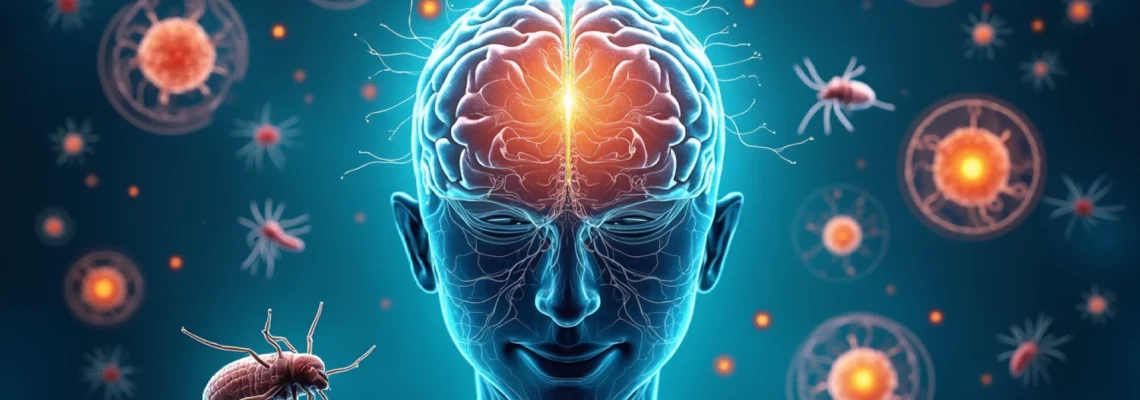
The intersection of infectious disease and neurology presents complex challenges that continue to perplex medical professionals worldwide. When Borrelia burgdorferi spirochaetes infiltrate the nervous system, they trigger a cascade of neurological complications that can profoundly impact cognitive function and vestibular stability. Recent advances in neuroimaging technology have validated what patients have long described: the cognitive impairment and dizziness associated with Lyme disease represent genuine neurobiological phenomena rather than psychosomatic complaints.
This neuroinvasive capacity of Lyme disease creates a spectrum of debilitating symptoms that can persist long after initial treatment. The sophisticated interplay between bacterial invasion, inflammatory responses, and neural tissue damage explains why many patients experience persistent cognitive dysfunction and balance disorders. Understanding these mechanisms becomes crucial for both healthcare providers and patients navigating the complex landscape of Lyme neuroborreliosis .
Neurological pathophysiology of borrelia burgdorferi-induced cognitive dysfunction
The pathophysiology underlying Lyme disease-associated cognitive dysfunction involves multiple interconnected mechanisms that collectively compromise neural function. These complex processes begin with the initial bacterial invasion and evolve into sustained inflammatory responses that can persist well beyond the acute infection phase.
Blood-brain barrier disruption and spirochaetal infiltration mechanisms
The blood-brain barrier represents the primary defensive fortress protecting neural tissue from systemic infections. However, Borrelia burgdorferi demonstrates remarkable ability to breach this protective barrier through multiple sophisticated mechanisms. These spirochaetes employ adhesion proteins and enzymatic degradation to compromise tight junctions between endothelial cells, creating pathways for bacterial invasion into the central nervous system.
Once spirochaetes penetrate the blood-brain barrier, they establish sanctuary sites within neural tissue where antibiotic penetration may be limited. This bacterial persistence triggers chronic inflammatory responses that can continue long after the initial infection. The disruption of the blood-brain barrier also allows inflammatory mediators from systemic circulation to enter the brain, amplifying local neuroinflammatory processes.
Inflammatory cytokine cascades in lyme neuroborreliosis
The presence of Borrelia burgdorferi in neural tissue activates robust immune responses characterised by excessive cytokine production. Pro-inflammatory cytokines such as interleukin-1β, tumour necrosis factor-α, and interferon-γ reach elevated levels in cerebrospinal fluid and brain tissue. These inflammatory mediators directly impair synaptic transmission and compromise neural network connectivity.
Research demonstrates that sustained cytokine elevation correlates with severity of cognitive symptoms, including memory deficits, processing speed reduction, and executive function impairment. The inflammatory cascade also disrupts neurotransmitter synthesis and metabolism, creating imbalances that contribute to mood disorders and cognitive dysfunction commonly observed in Lyme patients.
Microglial activation and neuroinflammatory response patterns
Microglial cells serve as the brain’s resident immune system, responding rapidly to pathogenic threats. In Lyme neuroborreliosis, chronic microglial activation becomes a central feature of ongoing neuroinflammation. Advanced neuroimaging studies using positron emission tomography have revealed increased microglial activation in patients with persistent Lyme symptoms, providing objective evidence of neuroinflammatory processes.
This sustained microglial activation creates a self-perpetuating cycle of inflammation that can persist even after bacterial clearance. Activated microglia release additional inflammatory mediators and reactive oxygen species that damage surrounding neural tissue. The resulting neuroinflammation manifests clinically as the cognitive symptoms patients describe as “brain fog” – a constellation of attention deficits, memory problems, and processing difficulties.
Mitochondrial dysfunction and cellular energy metabolism impairment
Emerging evidence suggests that Borrelia burgdorferi infection significantly impacts mitochondrial function within neural cells. These cellular powerhouses become compromised through direct bacterial effects and inflammatory damage, leading to reduced adenosine triphosphate production and cellular energy depletion. This metabolic dysfunction particularly affects energy-demanding processes such as neurotransmitter synthesis and synaptic transmission.
The resulting cellular energy crisis manifests as the profound fatigue and cognitive exhaustion characteristic of Lyme disease. When neural networks lack adequate energy substrates, information processing slows dramatically, contributing to the mental sluggishness and concentration difficulties patients experience. This metabolic component helps explain why rest alone cannot resolve Lyme-associated cognitive symptoms.
Vestibular system compromise in chronic lyme disease
The vestibular system’s complexity makes it particularly vulnerable to the inflammatory and infectious processes associated with Lyme disease. Understanding how Borrelia burgdorferi affects different components of the balance system helps explain the varied presentation of dizziness and equilibrium problems in affected patients.
Eighth cranial nerve inflammation and demyelination processes
The vestibulocochlear nerve represents a common target for Lyme-associated inflammation, resulting in both balance and auditory disturbances. Inflammatory infiltrates surrounding the eighth cranial nerve can cause demyelination, disrupting signal transmission between the inner ear and brainstem processing centres. This neural pathway dysfunction manifests as vertigo, disequilibrium, and auditory symptoms such as tinnitus or hearing loss.
Research indicates that cranial nerve involvement occurs in approximately 10-15% of patients with early disseminated Lyme disease. The inflammatory process can affect both the vestibular and cochlear divisions of the eighth nerve, creating complex symptom patterns that may fluctuate in severity over time.
Semicircular canal function deterioration and positional vertigo
The semicircular canals detect rotational movements and play crucial roles in maintaining spatial orientation. When Lyme disease affects these structures, patients experience spinning sensations and positional vertigo that can be particularly debilitating. The inflammatory process can damage the delicate cupula and hair cells within the semicircular canals, leading to inappropriate signals being sent to the brain about head movement.
This dysfunction creates a mismatch between visual input and vestibular signals, resulting in the sensation of movement when stationary or exaggerated responses to normal head movements. Patients often describe feeling as though they’re on a boat or experiencing the world as unstable around them.
Otolith organ damage and static balance dysfunction
The otolith organs – the utricle and saccule – detect linear acceleration and gravitational forces, providing essential information for maintaining upright posture and spatial orientation. Lyme-associated inflammation can damage these structures, resulting in profound balance difficulties and spatial disorientation. Patients may experience difficulty maintaining balance while standing still or walking in straight lines.
This otolith dysfunction often manifests as a feeling of being pulled to one side or difficulty judging distances and spatial relationships. The resulting balance problems can significantly impact daily activities and contribute to falls risk, particularly in older patients or those with concurrent neurological symptoms.
Central vestibular processing disruption in brainstem regions
Beyond peripheral vestibular structures, Lyme disease can affect central processing centres in the brainstem and cerebellum responsible for integrating balance information. The vestibular nuclei in the brainstem process input from the inner ear and coordinate responses with visual and proprioceptive systems. When inflammation affects these central processing areas, patients may experience persistent disequilibrium even when peripheral vestibular function appears normal.
Central vestibular dysfunction often presents as more complex balance problems that don’t follow typical patterns of peripheral vestibular disease. Patients may describe feeling unsteady in crowded environments, difficulty with multitasking while walking, or persistent motion sensitivity that doesn’t resolve with traditional vestibular rehabilitation techniques.
Neurotransmitter dysregulation and cognitive processing deficits
The intricate balance of neurotransmitter systems becomes significantly disrupted in Lyme disease, contributing to both cognitive dysfunction and mood disturbances. This neurochemical imbalance affects multiple neurotransmitter pathways simultaneously, creating complex symptom patterns that can persist long after initial infection treatment. Understanding these mechanisms provides insight into why patients experience such diverse neuropsychiatric symptoms.
Dopaminergic pathways, crucial for executive function and motivation, become particularly compromised in Lyme neuroborreliosis. The inflammatory cytokines released during chronic infection interfere with dopamine synthesis and metabolism, leading to reduced motivation, difficulty with task initiation, and impaired working memory. This dysfunction explains why patients often describe feeling mentally “stuck” or unable to initiate complex tasks that were previously manageable.
Serotonergic dysfunction also plays a significant role in Lyme-associated cognitive and mood symptoms. The inflammatory process disrupts tryptophan metabolism, reducing serotonin availability and contributing to depression, anxiety, and sleep disturbances. These mood symptoms further compound cognitive difficulties, creating a cycle where emotional distress exacerbates concentration problems and mental fatigue.
The complex interplay between neuroinflammation and neurotransmitter dysfunction creates a perfect storm for cognitive impairment, where multiple systems fail simultaneously, resulting in the characteristic “brain fog” that patients find so debilitating.
Cholinergic system disruption affects attention and memory consolidation processes. The inflammation associated with Lyme disease can impair acetylcholine synthesis and release, contributing to attention deficits and memory formation problems. This cholinergic dysfunction particularly impacts the ability to encode new information and retrieve previously learned material, explaining the memory complaints commonly reported by patients.
Differential diagnosis: distinguishing Lyme-Related neurological symptoms from alternative conditions
The challenge of accurately diagnosing Lyme-associated neurological symptoms lies in their similarity to numerous other conditions affecting cognitive function and balance. Healthcare providers must navigate a complex diagnostic landscape where symptom overlap can lead to misdiagnosis or delayed recognition of Lyme disease involvement. This diagnostic complexity becomes particularly pronounced in cases where the classic erythema migrans rash was absent or unnoticed.
Multiple sclerosis represents one of the most common differential diagnoses, as both conditions can present with cognitive dysfunction, balance problems, and neurological symptoms that fluctuate over time. However, certain features can help distinguish Lyme neuroborreliosis from multiple sclerosis. Lyme disease often presents with more prominent fatigue and mood symptoms early in the course, while multiple sclerosis typically shows characteristic white matter lesions on magnetic resonance imaging with distinct patterns not typically seen in Lyme disease.
Chronic fatigue syndrome and fibromyalgia share many symptoms with persistent Lyme disease, including profound fatigue, cognitive dysfunction, and widespread pain. The overlap is so significant that some patients may carry concurrent diagnoses. However, Lyme disease often presents with more pronounced neurological symptoms such as cranial nerve palsies or radiculopathy, which are uncommon in chronic fatigue syndrome. The presence of objective neurological findings or positive cerebrospinal fluid analysis can help differentiate Lyme neuroborreliosis from these functional disorders.
Vestibular disorders such as benign paroxysmal positional vertigo or vestibular neuritis can mimic the balance problems seen in Lyme disease. However, Lyme-associated vestibular symptoms often occur in conjunction with other systemic or neurological symptoms, whereas isolated vestibular disorders typically present without cognitive dysfunction or widespread neurological involvement. The temporal relationship between potential tick exposure and symptom onset can provide valuable diagnostic clues.
- Psychiatric conditions including depression and anxiety disorders can present with cognitive symptoms similar to Lyme brain fog
- Autoimmune conditions such as lupus or Sjögren’s syndrome may cause neurological symptoms resembling Lyme disease
- Metabolic disorders including thyroid dysfunction can produce fatigue and cognitive symptoms
- Neurodegenerative diseases may present with early cognitive changes that could be confused with Lyme-related symptoms
Advanced diagnostic protocols for Lyme-Associated neurological manifestations
The diagnosis of Lyme neuroborreliosis requires a comprehensive approach combining clinical assessment, laboratory testing, and advanced imaging techniques. Traditional diagnostic methods often fall short in identifying the subtle neurological changes associated with chronic Lyme disease, necessitating more sophisticated evaluation protocols. The development of newer diagnostic modalities has significantly improved the ability to detect and monitor Lyme-associated neurological complications.
Cerebrospinal fluid analysis remains the gold standard for confirming central nervous system involvement in Lyme disease. However, the interpretation of cerebrospinal fluid findings requires expertise, as the changes may be subtle or intermittent. Elevated lymphocyte counts, increased protein levels, and the presence of Borrelia -specific antibodies or oligoclonal bands can support the diagnosis of neuroborreliosis. Advanced techniques such as polymerase chain reaction testing for Borrelia DNA in cerebrospinal fluid can detect active infection even when antibody responses are equivocal.
Advanced neuroimaging techniques have revolutionised the ability to visualise and quantify the neurological impact of Lyme disease, providing objective evidence of brain dysfunction that correlates with patient symptoms.
Functional magnetic resonance imaging and positron emission tomography scanning have emerged as valuable tools for assessing brain function in Lyme disease patients. These advanced imaging modalities can detect alterations in brain activity patterns, neuroinflammation, and connectivity between brain regions. Studies using these techniques have documented objective changes in brain function that correlate with cognitive symptoms, providing validation for patient experiences and informing treatment decisions.
Neuropsychological testing plays a crucial role in documenting cognitive dysfunction and monitoring treatment response. Comprehensive cognitive assessment can identify specific patterns of impairment characteristic of Lyme disease, such as difficulties with processing speed, working memory, and executive function. These objective measures provide important baseline data and can track improvements or deterioration over time, helping guide treatment adjustments.
| Diagnostic Test | Purpose | Sensitivity | Specificity |
|---|---|---|---|
| CSF antibody testing | Confirm neuroborreliosis | 70-90% | 85-95% |
| CSF PCR | Detect active infection | 10-30% | 95-100% |
| SPECT imaging | Assess brain perfusion | 60-80% | 70-85% |
| Neuropsychological testing | Document cognitive impairment | 80-95% | 60-80% |
Evidence-based treatment modalities for neurological lyme disease sequelae
The treatment of Lyme-associated neurological symptoms requires a multifaceted approach addressing both the infectious process and the resulting inflammatory complications. Current treatment protocols emphasise the importance of adequate antibiotic therapy with agents that achieve good central nervous system penetration, though the optimal duration and intensity of treatment remain subjects of ongoing research and clinical debate.
Antibiotic selection for neuroborreliosis typically involves agents such as ceftriaxone, doxycycline, or penicillin G, chosen for their ability to cross the blood-brain barrier and achieve therapeutic levels in cerebrospinal fluid. The duration of treatment may need to be extended compared to early Lyme disease, particularly in cases with significant neurological involvement. Some patients require repeated courses or combination antibiotic therapy, though such approaches require careful monitoring for adverse effects.
Anti-inflammatory treatments play an increasingly recognised role in managing Lyme-associated neurological symptoms. Corticosteroids may be beneficial in cases with significant inflammation, though their use requires careful consideration due to potential immunosuppressive effects. Nonsteroidal anti-inflammatory drugs and other anti-inflammatory agents may help reduce neuroinflammation and improve symptom severity in some patients.
Symptomatic treatments targeting specific neurological complications can significantly improve quality of life while addressing the underlying infection. Vestibular rehabilitation therapy has shown promise in helping patients with balance problems, while cognitive rehabilitation techniques may help address attention and memory deficits. These supportive therapies work best when combined with appropriate antimicrobial treatment rather than as standalone interventions.
- Establish accurate diagnosis through comprehensive clinical and laboratory evaluation
Emerging treatment approaches include combination therapies targeting multiple aspects of Lyme pathophysiology simultaneously. Some clinicians report success with protocols combining antimicrobials with anti-inflammatory agents and neuroprotective compounds. Hyperbaric oxygen therapy has shown promise in case series for addressing tissue hypoxia and supporting neural recovery, though larger controlled studies are needed to establish efficacy.
The role of immune modulation in treating persistent Lyme symptoms continues to evolve. Some patients benefit from treatments that address autoimmune components or inflammatory cascades that persist after bacterial clearance. Low-dose naltrexone, intravenous immunoglobulin, and other immune-modulating therapies have shown benefit in selected cases, though patient selection criteria remain unclear.
Successful treatment of Lyme neuroborreliosis often requires patience and persistence, as neurological recovery typically occurs more slowly than resolution of systemic symptoms, sometimes taking months to years for complete restoration of function.
Supportive care measures play crucial roles in optimising patient outcomes during treatment. Nutritional support, sleep optimisation, stress management, and graded exercise therapy can all contribute to neurological recovery. Many patients benefit from comprehensive rehabilitation programmes that address both cognitive and physical symptoms simultaneously, recognising the interconnected nature of brain and body in recovery processes.
The integration of conventional medical treatment with supportive therapies requires careful coordination to avoid interactions and ensure optimal outcomes. Regular monitoring through neuropsychological testing, imaging studies, and clinical assessments helps track progress and guide treatment modifications. Patient education about realistic expectations and timeline for recovery proves essential for maintaining treatment adherence and psychological well-being throughout the extended recovery process.
Research continues to refine treatment protocols for Lyme-associated neurological symptoms, with ongoing studies investigating optimal antibiotic regimens, anti-inflammatory approaches, and novel therapeutic targets. The complexity of Lyme neuroborreliosis necessitates individualised treatment approaches that consider patient-specific factors including symptom severity, duration of illness, concurrent conditions, and previous treatment responses. As our understanding of the pathophysiology continues to evolve, treatment strategies will likely become increasingly sophisticated and targeted to specific aspects of the disease process.