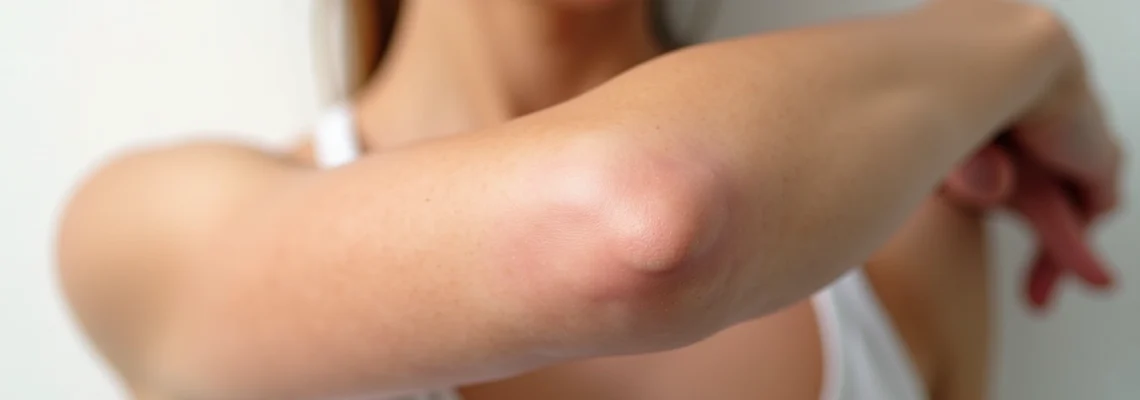
Discovering unsightly bumps on your arms can be both frustrating and concerning, particularly when traditional facial acne treatments seem ineffective. While many people associate acne with facial breakouts, arm acne represents a surprisingly common dermatological concern affecting individuals across all age groups. The arms, particularly the upper regions, contain numerous hair follicles and sebaceous glands that can become clogged with dead skin cells, excess sebum, and bacteria, creating the perfect environment for various forms of follicular dysfunction. Understanding the underlying mechanisms behind arm acne formation is crucial for implementing effective treatment strategies that address both immediate symptoms and long-term prevention.
Understanding keratosis pilaris and follicular hyperkeratosis on upper arms
The most prevalent cause of arm bumps often masquerades as acne but represents a distinct condition called keratosis pilaris. This benign skin disorder affects approximately 50-80% of adolescents and 40% of adults, making it one of the most common dermatological presentations. Unlike traditional acne vulgaris, keratosis pilaris results from the overproduction of keratin, a structural protein that forms plugs within hair follicles, creating characteristic small, rough bumps that resemble goose bumps or chicken skin.
Pathophysiology of keratin plug formation in hair follicles
The formation of keratin plugs occurs when the normal desquamation process becomes disrupted, leading to the accumulation of excess keratin within the follicular opening. This hyperkeratinization process involves the abnormal retention of corneocytes, which should naturally shed from the skin’s surface. The trapped keratin creates a physical barrier that prevents proper hair emergence, resulting in the characteristic bumpy texture associated with keratosis pilaris. Environmental factors such as low humidity, cold weather, and inadequate moisturisation can exacerbate this condition by further compromising the skin barrier function.
Distinguishing keratosis pilaris from folliculitis and eczematous dermatitis
Accurate diagnosis requires careful differentiation between keratosis pilaris and other follicular disorders. Folliculitis presents as inflamed, pustular lesions that often contain visible pus and may be tender to touch, whereas keratosis pilaris typically remains asymptomatic and non-inflammatory. Eczematous dermatitis commonly accompanies intense itching and may present with scaling, erythema, and excoriation marks from scratching. Professional dermatological examination can identify subtle differences in lesion morphology, distribution patterns, and associated symptoms that guide appropriate treatment selection.
Genetic predisposition and autosomal dominant inheritance patterns
Research indicates that keratosis pilaris demonstrates strong familial clustering, with many cases following an autosomal dominant inheritance pattern. Genetic studies have identified mutations in the filaggrin gene (FLG), which plays a crucial role in skin barrier function and keratinisation processes. Individuals with atopic dermatitis, ichthyosis vulgaris, or other inherited skin disorders show increased susceptibility to developing keratosis pilaris. Understanding your family history can help predict treatment response and establish realistic expectations for long-term management outcomes.
Hormonal fluctuations and seasonal exacerbation factors
Hormonal changes significantly influence keratosis pilaris severity, with many individuals experiencing worsening during puberty, pregnancy, and menopause. Oestrogen fluctuations can alter sebaceous gland activity and keratinocyte turnover rates, potentially exacerbating follicular plugging. Seasonal variations also play a substantial role, with winter months typically bringing increased symptom severity due to reduced humidity levels and excessive use of heating systems. Recognition of these cyclical patterns enables proactive treatment adjustments and improved patient outcomes.
Topical keratolytic treatments for follicular keratosis
Effective management of arm acne and keratosis pilaris relies heavily on topical keratolytic agents that promote cellular turnover and dissolve keratin plugs. These treatments work by breaking down the intercellular bonds that hold dead skin cells together, facilitating their removal and preventing further follicular obstruction. The selection of appropriate keratolytic agents depends on skin sensitivity, lesion severity, and individual tolerance levels. Professional guidance ensures optimal treatment outcomes while minimising potential adverse effects such as irritation, dryness, or post-inflammatory hyperpigmentation.
Alpha hydroxy acids: glycolic and lactic acid concentrations
Alpha hydroxy acids (AHAs) represent first-line treatments for follicular keratosis due to their proven efficacy in promoting exfoliation and improving skin texture. Glycolic acid , with its small molecular size, penetrates deeply into follicular openings to dissolve keratin plugs effectively. Concentrations ranging from 5-12% provide optimal results for most individuals, though sensitive skin may require lower concentrations initially. Lactic acid offers similar benefits with potentially less irritation, making it suitable for individuals with reactive skin types. Regular application, typically twice daily, gradually reduces bump visibility and improves overall skin smoothness.
Beta hydroxy acid salicylic acid penetration mechanisms
Salicylic acid’s lipophilic properties enable superior penetration into sebaceous follicles, making it particularly effective for addressing both keratosis pilaris and inflammatory acne lesions. This beta hydroxy acid works by dissolving the intercellular cement that binds corneocytes together, promoting gentle exfoliation without mechanical trauma. Concentrations between 1-2% provide therapeutic benefits while maintaining tolerability for most skin types. The anti-inflammatory properties of salicylic acid also help reduce erythema and irritation associated with follicular dysfunction, creating a more comprehensive treatment approach.
Urea-based emollients and ceramide restoration therapy
Urea functions as both a keratolytic agent and a powerful humectant, making it invaluable for treating dry, bumpy skin conditions. Formulations containing 10-20% urea effectively soften keratin plugs while simultaneously attracting moisture to the skin surface. Ceramide-containing products complement urea therapy by restoring the lipid barrier function and preventing excessive moisture loss. This dual approach addresses both the immediate symptoms of follicular keratosis and the underlying barrier dysfunction that perpetuates the condition. Regular application of urea-ceramide combinations often produces visible improvements within 4-6 weeks of consistent use.
Retinoid derivatives: tretinoin and adapalene applications
Topical retinoids represent the most potent treatment option for persistent keratosis pilaris and inflammatory arm acne. Tretinoin normalises follicular keratinisation processes and reduces comedone formation through its effects on cellular differentiation and proliferation. Adapalene offers similar efficacy with improved tolerability, making it suitable for individuals who experience significant irritation with tretinoin. Initial treatment protocols typically involve low concentrations (0.025-0.05%) applied every third night, with gradual increase in frequency as tolerance develops. The anti-inflammatory properties of retinoids also help address any concurrent acne lesions that may be present.
Professional dermatological guidance is essential when incorporating retinoids into treatment regimens, as these powerful agents can cause significant irritation if used incorrectly or in inappropriate concentrations.
Professional dermatological intervention methods
When topical treatments prove insufficient or when rapid improvement is desired, professional dermatological procedures offer enhanced therapeutic options. These interventions typically provide more dramatic and immediate results compared to at-home treatments, though they may require multiple sessions and carry higher costs. The selection of appropriate professional treatments depends on factors including lesion severity, skin type, patient preferences, and treatment goals. Modern dermatological techniques have revolutionised the management of follicular disorders, offering patients previously unavailable options for achieving smooth, clear skin.
Microdermabrasion and Diamond-Tip exfoliation protocols
Microdermabrasion utilises controlled mechanical exfoliation to remove superficial layers of keratinised tissue and promote cellular renewal. Diamond-tip microdermabrasion offers superior precision compared to crystal-based systems, allowing for targeted treatment of affected areas without damaging surrounding healthy tissue. Treatment protocols typically involve 6-8 sessions spaced 2-3 weeks apart, with maintenance treatments every 3-4 months. The procedure stimulates collagen production while immediately improving skin texture and reducing the appearance of follicular plugs. Post-treatment care involving gentle moisturisation and sun protection optimises healing and prevents complications.
Chemical peeling with trichloroacetic acid solutions
Trichloroacetic acid (TCA) peels provide controlled chemical exfoliation that penetrates deeper than topical treatments alone. Concentrations ranging from 10-25% TCA effectively address moderate to severe keratosis pilaris while stimulating dermal remodelling processes. The treatment involves careful application of the acid solution followed by neutralisation and post-peel care protocols. Multiple sessions may be required to achieve optimal results, with treatments typically spaced 4-6 weeks apart. Proper patient selection and thorough pre-treatment evaluation ensure safety and maximise therapeutic outcomes while minimising risk of complications such as hyperpigmentation or scarring.
Laser therapy: fractional CO2 and erbium YAG treatment
Advanced laser technologies offer precise treatment options for recalcitrant follicular disorders that resist conventional therapies. Fractional CO2 lasers create controlled micro-injuries that stimulate tissue remodelling while preserving surrounding skin integrity. Erbium YAG lasers provide gentler resurfacing with reduced downtime, making them suitable for patients with lifestyle constraints. Treatment parameters are customised based on individual skin characteristics and desired outcomes. Most patients require 3-5 treatment sessions to achieve significant improvement, with results becoming apparent over several months as new collagen formation progresses.
Cryotherapy using liquid nitrogen application techniques
Cryotherapy employs controlled freezing to destroy abnormal keratinous tissue while promoting healthy skin regeneration. Liquid nitrogen application requires precise technique to avoid excessive tissue damage while ensuring adequate treatment depth. The procedure is particularly effective for isolated, stubborn lesions that persist despite other treatment modalities. Multiple applications may be necessary, typically performed at 2-3 week intervals. Post-treatment care involves gentle wound management and protection from sun exposure to optimise healing and prevent pigmentary changes. Patient education regarding expected healing timeline and potential side effects ensures optimal treatment compliance and satisfaction.
Preventative skincare regimens and maintenance protocols
Successful long-term management of arm acne requires implementing comprehensive preventative strategies that address underlying predisposing factors. Daily skincare routines should focus on gentle cleansing, regular exfoliation, and adequate moisturisation to maintain optimal skin barrier function. Consistency in application proves more important than product sophistication, with simple, well-formulated products often producing superior results compared to complex multi-step regimens. Environmental modifications, including humidity control and appropriate clothing choices, complement topical treatments to create an unfavourable environment for follicular dysfunction development.
Proper bathing techniques play a crucial role in preventing arm acne recurrence. Lukewarm water temperatures prevent excessive skin drying while enabling effective cleansing of surface debris and excess sebum. Gentle, non-comedogenic cleansers should be applied using soft cloths or hands rather than abrasive scrubbing tools that may traumatise delicate follicular structures. Post-shower moisturisation within three minutes of bathing helps lock in residual moisture while the skin remains slightly damp. Selection of appropriate moisturising products should prioritise non-comedogenic formulations that won’t contribute to further follicular plugging.
Clothing choices significantly impact the development and perpetuation of arm acne, particularly in individuals prone to follicular disorders. Tight-fitting garments made from synthetic materials can trap heat, moisture, and bacteria against the skin surface, creating ideal conditions for acne mechanica development. Natural fibre clothing allows better air circulation and moisture wicking, reducing the likelihood of follicular irritation. Regular laundering of clothing items, particularly athletic wear, removes accumulated bacteria, dead skin cells, and sebaceous secretions that may contribute to breakout formation. Fabric softeners and harsh detergents should be avoided, as these products may leave residues that irritate sensitive skin.
Dietary interventions and nutritional supplementation strategies
Emerging research suggests that dietary modifications may influence the severity and frequency of follicular disorders, including keratosis pilaris and arm acne. While the relationship between nutrition and skin health remains complex and multifaceted, certain dietary patterns appear to promote healthy skin barrier function and reduce inflammatory responses. Omega-3 fatty acids demonstrate particular promise in supporting skin health through their anti-inflammatory properties and role in maintaining cellular membrane integrity. Food sources rich in these beneficial fats include fatty fish, flaxseeds, chia seeds, and walnuts, which can be incorporated into daily meal planning.
Vitamin A deficiency has been implicated in the development of follicular hyperkeratosis and related skin conditions. Adequate intake of vitamin A through dietary sources or supplementation may help normalise keratinisation processes and reduce the formation of keratin plugs. Beta-carotene rich foods such as carrots, sweet potatoes, spinach, and kale provide precursor compounds that the body converts to active vitamin A as needed. However, vitamin A supplementation should be approached cautiously, as excessive intake can lead to toxicity and adverse effects. Professional consultation ensures appropriate dosing and monitoring for individuals considering vitamin A supplementation.
Zinc plays essential roles in wound healing, immune function, and skin cell turnover, making it particularly relevant for individuals with follicular disorders. Studies suggest that zinc deficiency may contribute to various skin conditions, including acne and keratosis pilaris. Dietary sources of zinc include oysters, beef, pumpkin seeds, and legumes, though supplementation may be necessary for individuals with documented deficiencies. The anti-inflammatory properties of zinc may help reduce the erythema and irritation associated with follicular dysfunction while supporting the skin’s natural healing processes.
Nutritional interventions work synergistically with topical treatments to address follicular disorders from multiple angles, potentially enhancing overall treatment outcomes and reducing recurrence rates.
Long-term management and recurrence prevention techniques
Successful long-term management of arm acne requires understanding that most follicular disorders represent chronic conditions requiring ongoing maintenance rather than one-time cures. Treatment expectations should be realistic, with gradual improvement occurring over months rather than weeks. Many individuals experience significant improvement with consistent treatment, though complete resolution may not always be achievable. Developing sustainable skincare routines that can be maintained long-term proves more beneficial than intensive short-term interventions that cannot be continued indefinitely.
Seasonal treatment modifications help address the natural fluctuations in symptom severity that many individuals experience. Winter months typically require more intensive moisturisation and potentially increased exfoliation frequency to combat the effects of reduced humidity and indoor heating. Summer adjustments may involve lighter formulations and increased attention to sun protection, as some treatments can increase photosensitivity. Humidity levels in living and working environments should be maintained between 40-60% when possible to support optimal skin barrier function throughout the year.
Regular dermatological follow-up appointments enable treatment optimisation and early intervention for potential complications. Professional monitoring helps identify treatment-resistant areas that may benefit from alternative approaches or combination therapies. Photographic documentation can provide objective assessment of treatment progress, particularly helpful when improvements occur gradually over extended periods. Dermatological expertise also proves valuable in distinguishing between treatment-related irritation and disease progression, ensuring appropriate modification of therapeutic protocols when necessary.
Patient education regarding realistic timelines and expected outcomes significantly impacts treatment satisfaction and compliance rates. Most individuals begin noticing improvements within 6-8 weeks of initiating appropriate therapy, though optimal results may require 3-6 months of consistent treatment. Maintenance protocols typically involve reduced frequency of active treatments once improvement is achieved, with periodic intensification during seasonal exacerbations or periods of increased stress. Understanding the chronic nature of these conditions helps patients maintain motivation during periods when progress seems slow and provides realistic expectations for long-term management requirements.