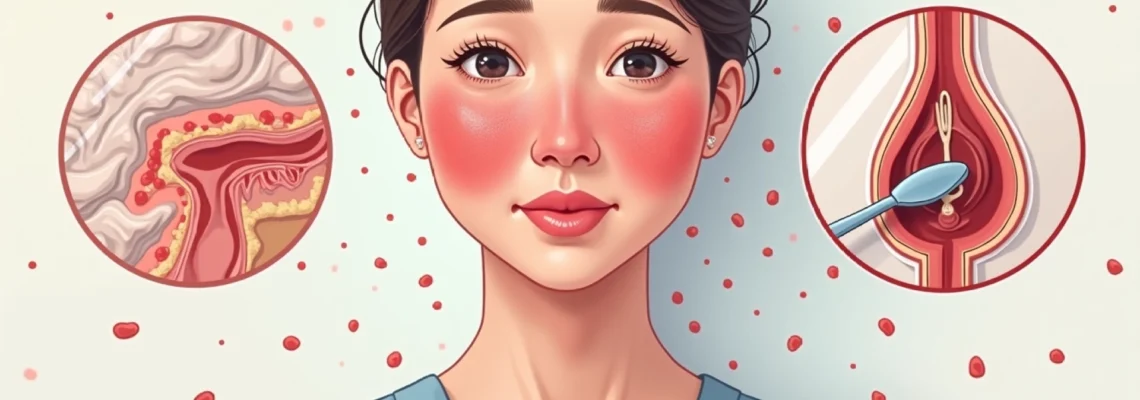
Facial flushing represents one of the most perplexing yet frequently overlooked manifestations of Hashimoto’s thyroiditis, affecting countless individuals who struggle to understand why their complexion suddenly becomes red, warm, or inflamed without apparent cause. This autoimmune condition, which systematically destroys thyroid tissue through complex inflammatory processes, creates a cascade of physiological changes that extend far beyond simple hormone deficiency. The intricate relationship between thyroid dysfunction and cutaneous blood flow involves multiple interconnected pathways, including autoimmune vasodilation, inflammatory cytokine release, and hormonal dysregulation that collectively contribute to the characteristic facial erythema experienced by many patients.
Understanding the mechanisms behind thyroiditis-induced facial flushing becomes crucial for both healthcare providers and patients seeking effective management strategies. Unlike the typical flushing associated with menopause or emotional stress, Hashimoto’s-related facial erythema often presents with unique patterns and triggers that reflect the underlying autoimmune pathophysiology. The complexity of this condition requires a comprehensive examination of how thyroid antibodies, inflammatory mediators, and hormonal imbalances work together to create the visible manifestations that can significantly impact quality of life.
Pathophysiology of facial erythema in hashimoto’s thyroiditis
The development of facial flushing in Hashimoto’s thyroiditis involves a complex interplay of autoimmune mechanisms that directly affect vascular function and blood flow regulation. At the cellular level, the presence of thyroid peroxidase antibodies and thyroglobulin antibodies triggers an inflammatory response that extends beyond the thyroid gland itself, affecting peripheral blood vessels and capillary networks throughout the facial region. This systemic inflammatory state creates an environment where normal vascular tone becomes disrupted, leading to episodes of vasodilation that manifest as visible flushing.
The autoimmune nature of Hashimoto’s thyroiditis means that the immune system continuously attacks not only thyroid tissue but also related structures that share similar antigenic properties. This molecular mimicry phenomenon can affect blood vessel walls, particularly in areas with rich vascular networks like the face and neck. Chronic inflammation associated with this condition releases various inflammatory mediators that directly influence capillary permeability and vascular reactivity, creating the perfect conditions for episodic facial erythema.
Autoimmune vasodilation mechanisms in hypothyroid states
Autoimmune vasodilation in Hashimoto’s patients occurs through several distinct pathways that converge to produce facial flushing episodes. The primary mechanism involves cross-reactive antibodies that target not only thyroid tissue but also vascular endothelial cells, leading to endothelial dysfunction and altered nitric oxide production. This disruption in endothelial function compromises the normal regulation of vascular tone, making facial blood vessels more susceptible to sudden dilation in response to various triggers.
The hypothyroid state itself contributes to vasodilation through compensatory mechanisms designed to maintain adequate tissue perfusion despite reduced metabolic activity. As thyroid hormone levels decline, the body attempts to preserve heat and maintain circulation by dilating peripheral blood vessels, particularly in areas like the face where temperature regulation is critical. This adaptation, while physiologically necessary, can result in visible flushing that patients find distressing and difficult to predict.
Inflammatory cytokine cascade effects on facial capillaries
The inflammatory cytokine cascade in Hashimoto’s thyroiditis creates a complex web of interactions that directly impact facial capillary function and appearance. Pro-inflammatory cytokines such as interleukin-1β, tumor necrosis factor-α, and interleukin-6 are consistently elevated in patients with active thyroiditis, and these mediators have direct effects on vascular permeability and blood flow regulation. The sustained elevation of these inflammatory markers creates a chronic state of vascular hyperreactivity that predisposes patients to frequent flushing episodes.
Facial capillaries are particularly susceptible to cytokine-mediated changes due to their proximity to the surface and their role in thermoregulation. The inflammatory environment created by Hashimoto’s thyroiditis causes these delicate vessels to become more responsive to stimuli that would normally not trigger such pronounced reactions. Cytokine-induced vasodilation can occur suddenly and without warning, creating the characteristic unpredictable nature of thyroiditis-related facial flushing that many patients describe.
Thyroid peroxidase Antibody-Mediated vascular responses
Thyroid peroxidase antibodies play a crucial role in the development of facial flushing through their direct effects on vascular tissues that express similar enzymatic systems. These antibodies can cross-react with peroxidase enzymes found in blood vessel walls, leading to inflammatory responses that compromise normal vascular function. The presence of high TPO antibody levels correlates with increased severity and frequency of flushing episodes, suggesting a direct relationship between antibody load and vascular symptoms.
The molecular structure of thyroid peroxidase shares homology with various vascular enzymes, creating opportunities for antibody cross-reactivity that extends the autoimmune response beyond the thyroid gland. This phenomenon helps explain why some Hashimoto’s patients experience vascular symptoms even when their thyroid hormone levels are adequately replaced, as the underlying autoimmune process continues to affect blood vessel function independently of thyroid hormone status.
Complement system activation and cutaneous blood flow changes
Complement system activation represents another critical pathway through which Hashimoto’s thyroiditis influences facial blood flow and flushing patterns. The formation of immune complexes involving thyroid antibodies triggers complement cascade activation, leading to the production of vasoactive complement fragments that directly affect blood vessel tone and permeability. These complement-derived mediators can cause rapid vasodilation and increased capillary permeability, contributing to the sudden onset and intensity of flushing episodes.
The complement system’s role in facial flushing becomes particularly evident during periods of increased disease activity or when patients are exposed to triggers that enhance immune complex formation. Complement-mediated vascular changes can persist for extended periods, creating a state of chronic vascular instability that makes patients more susceptible to environmental triggers such as temperature changes, stress, or dietary factors.
Hormonal dysregulation and cutaneous manifestations
Hormonal dysregulation in Hashimoto’s thyroiditis extends far beyond simple thyroid hormone deficiency, creating a complex endocrine environment that significantly influences cutaneous blood flow and facial flushing patterns. The intricate feedback mechanisms governing thyroid hormone production become disrupted, leading to fluctuations in TSH, free T4, and T3 levels that directly impact vascular function. These hormonal imbalances create an unstable physiological state where normal vascular responses become exaggerated or inappropriate, resulting in the characteristic flushing episodes that many patients experience.
The relationship between thyroid hormones and vascular function involves multiple pathways, including direct effects on blood vessel smooth muscle, influences on autonomic nervous system function, and interactions with other hormone systems such as the hypothalamic-pituitary-adrenal axis. When these delicate balances are disrupted by autoimmune thyroid disease, the resulting hormonal chaos can manifest as visible changes in skin colour and temperature, particularly in the highly vascularised facial region. Understanding these hormonal mechanisms becomes crucial for developing effective treatment strategies that address both the underlying thyroid dysfunction and its cutaneous manifestations.
TSH elevation impact on peripheral vascular tone
Elevated thyroid-stimulating hormone levels, characteristic of hypothyroid states in Hashimoto’s thyroiditis, exert direct effects on peripheral vascular tone that contribute to facial flushing episodes. TSH receptors are present throughout the cardiovascular system, including in blood vessel walls, where elevated hormone levels can trigger vasodilatory responses independent of thyroid hormone status. This direct vascular effect helps explain why some patients continue to experience flushing even when receiving adequate thyroid hormone replacement therapy.
The chronically elevated TSH levels seen in undertreated or inadequately managed Hashimoto’s patients create a state of persistent vascular stimulation that predisposes to episodes of facial erythema. TSH-mediated vasodilation can be particularly pronounced during periods of stress or illness when TSH levels may spike even higher, creating more intense and frequent flushing episodes that can be distressing for patients.
Free T4 deficiency and dermal microcirculation alterations
Free thyroxine deficiency profoundly impacts dermal microcirculation through multiple mechanisms that collectively contribute to altered facial blood flow patterns. Thyroid hormones play essential roles in maintaining normal endothelial function, regulating nitric oxide production, and supporting healthy blood vessel structure. When free T4 levels are insufficient, these critical functions become impaired, leading to changes in microvascular reactivity that can manifest as unpredictable flushing episodes.
The dermal microcirculation requires adequate thyroid hormone levels to maintain proper vessel wall integrity and responsiveness to physiological stimuli. T4 deficiency compromises the normal adaptive responses of facial blood vessels, making them more likely to undergo sudden dilation in response to triggers that would normally produce minimal effects. This altered reactivity helps explain the seemingly random nature of flushing episodes that many Hashimoto’s patients describe.
Reverse T3 syndrome contributing to facial hyperaemia
Reverse T3 syndrome, often observed in patients with chronic autoimmune thyroid disease, represents a metabolic state where the inactive form of triiodothyronine accumulates while active T3 levels remain low. This hormonal imbalance creates unique effects on facial blood flow regulation, as reverse T3 can compete with active T3 for cellular receptors while providing no metabolic benefit. The resulting cellular hypothyroidism at the tissue level can trigger compensatory vasodilation as the body attempts to maintain adequate perfusion and nutrient delivery.
The presence of elevated reverse T3 levels correlates with increased severity of cutaneous symptoms in many Hashimoto’s patients, suggesting that this metabolic marker may serve as an indicator of vascular dysfunction risk. Patients with high reverse T3 ratios often report more frequent and intense flushing episodes, particularly during periods of physical or emotional stress when cellular energy demands increase.
Adrenal cortisol dysfunction secondary to thyroid insufficiency
Adrenal cortisol dysfunction frequently accompanies Hashimoto’s thyroiditis, creating additional layers of hormonal complexity that influence facial flushing patterns. The hypothalamic-pituitary-adrenal axis becomes disrupted in chronic thyroid disease, leading to alterations in cortisol production and circadian rhythm that affect vascular reactivity. Low cortisol levels or disrupted cortisol patterns can enhance inflammatory responses and increase vascular permeability, making facial blood vessels more prone to dilation episodes.
The relationship between thyroid and adrenal function creates a bidirectional influence where thyroid insufficiency impairs adrenal function, and adrenal dysfunction worsens thyroid hormone utilisation. This creates a cycle where adrenal insufficiency enhances the vascular instability associated with thyroid disease, leading to more pronounced and frequent facial flushing episodes that can be particularly challenging to manage clinically.
Histamine release patterns in autoimmune thyroid disease
Histamine release patterns in autoimmune thyroid disease represent a frequently overlooked yet significant contributor to facial flushing episodes in Hashimoto’s patients. The chronic inflammatory state associated with thyroiditis creates conditions that favour mast cell activation and degranulation, leading to increased histamine availability in peripheral tissues. This elevated histamine activity directly affects facial blood vessels through H1 and H2 receptor activation, causing the characteristic vasodilation and increased capillary permeability that manifests as visible flushing.
The autoimmune process in Hashimoto’s thyroiditis can trigger histamine release through multiple pathways, including direct antibody-mediated mast cell activation, complement-induced degranulation, and cytokine-mediated enhancement of histamine synthesis. These mechanisms create a complex pattern of histamine availability that fluctuates with disease activity, explaining why some patients experience periods of intense flushing followed by relative calm. The facial region, with its rich mast cell population and extensive capillary networks, becomes particularly susceptible to histamine-induced vascular changes.
Recent research has identified specific patterns of histamine metabolism dysfunction in autoimmune thyroid patients, including reduced diamine oxidase activity and altered histamine N-methyltransferase function. These enzymatic deficiencies can lead to histamine accumulation and prolonged vascular effects, creating the persistent flushing that some patients experience. Histamine intolerance may develop as a secondary complication of thyroid autoimmunity, requiring specific management approaches that address both the underlying thyroid condition and the histamine-mediated symptoms.
Understanding the role of histamine in thyroiditis-related flushing opens new therapeutic possibilities, as targeted antihistamine therapy and mast cell stabilisation approaches may provide significant symptom relief for patients struggling with this challenging manifestation.
The timing of histamine release in autoimmune thyroid disease often correlates with specific triggers such as dietary histamine intake, stress, hormonal fluctuations, and environmental factors. Patients frequently report that their flushing episodes follow predictable patterns related to meals, menstrual cycles, or stressful events, suggesting that histamine-mediated mechanisms play a central role in symptom development. Understanding these patterns becomes crucial for developing personalised management strategies that can help patients identify and avoid their specific triggers while addressing the underlying histamine dysregulation.
Differential diagnosis of facial flushing in thyroid disorders
Differential diagnosis of facial flushing in thyroid disorders requires careful consideration of multiple conditions that can present with similar cutaneous manifestations, making accurate identification crucial for appropriate treatment selection. While Hashimoto’s thyroiditis represents one important cause of facial erythema, other thyroid conditions such as Graves’ disease, thyroid storm, and even thyroid cancer can produce comparable symptoms through different underlying mechanisms. The key lies in understanding the unique characteristics and associated features that distinguish thyroiditis-related flushing from other thyroid-mediated cutaneous changes.
Hyperthyroid conditions typically produce flushing through increased metabolic activity and enhanced sympathetic nervous system stimulation, creating a warm, moist appearance that differs from the more variable and unpredictable flushing seen in Hashimoto’s patients. Graves’ disease often presents with persistent facial warmth and redness accompanied by other hyperthyroid symptoms, while thyroiditis-related flushing tends to be more episodic and may occur even in the presence of hypothyroid symptoms. These distinctions become particularly important when patients present with mixed or atypical symptom patterns.
Non-thyroidal causes of facial flushing must also be considered in the differential diagnosis, including carcinoid syndrome, mastocytosis, rosacea, and various medications or dietary triggers. The case study of the 42-year-old man whose persistent flushing led to the discovery of medullary thyroid carcinoma demonstrates how thorough evaluation of unusual flushing patterns can reveal serious underlying conditions. This highlights the importance of comprehensive assessment including measurement of serum calcitonin levels when flushing episodes are persistent, progressive, or associated with other concerning symptoms.
Autoimmune conditions that commonly coexist with Hashimoto’s thyroiditis can also contribute to facial flushing through independent mechanisms, creating complex clinical presentations that require careful evaluation. Conditions such as lupus erythematosus, rheumatoid arthritis, and Sjögren’s syndrome may present with facial erythema that overlaps with thyroiditis-related symptoms, making diagnosis challenging. The presence of multiple autoimmune conditions necessitates a comprehensive approach that considers all potential contributing factors rather than attributing symptoms solely to thyroid dysfunction.
The complexity of facial flushing in autoimmune thyroid disease requires clinicians to maintain a broad differential diagnosis while systematically evaluating the most likely causes based on patient presentation, laboratory findings, and response to treatment interventions.
Clinical assessment protocols for Hashimoto’s-Related erythema
Clinical assessment protocols for Hashimoto’s-related erythema must encompass comprehensive evaluation strategies that address both the underlying autoimmune thyroid condition and its specific cutaneous manifestations. The assessment process begins with detailed patient history-taking that explores the timing, triggers, and characteristics of flushing episodes, including their relationship to meals, stress, medications, and hormonal fluctuations. Understanding the pattern and progression of symptoms helps differentiate thyroiditis-related flushing from other causes while providing insights into potential therapeutic approaches.
Physical examination should include careful evaluation of facial skin characteristics during both flushing and non-flushing periods, documentation of associated features such as periorbital oedema
or thyroid enlargement, and assessment of temperature differences between affected and unaffected areas. The physical examination should also include palpation of the thyroid gland to identify nodules, enlargement, or tenderness that might correlate with symptom severity.
Laboratory assessment forms the cornerstone of clinical evaluation for Hashimoto’s-related erythema, requiring a comprehensive thyroid function panel that extends beyond basic TSH and free T4 measurements. Essential laboratory markers include thyroid peroxidase antibodies, thyroglobulin antibodies, and reverse T3 levels to assess the autoimmune component and cellular thyroid hormone utilisation. Additional testing should encompass inflammatory markers such as C-reactive protein, erythrocyte sedimentation rate, and complete blood count to evaluate systemic inflammation levels that may correlate with flushing severity.
Specialised testing may be warranted in certain cases, particularly when standard thyroid function tests fail to explain the severity of cutaneous symptoms. Histamine metabolism assessment through diamine oxidase levels and histamine tolerance testing can provide valuable insights into histamine-mediated mechanisms contributing to facial flushing. Complement levels, immunoglobulin studies, and additional autoimmune markers may help identify coexisting conditions that could complicate the clinical picture and require concurrent management approaches.
Photographic documentation of flushing episodes can provide valuable objective evidence of symptom patterns and treatment response over time. Patients should be encouraged to maintain symptom diaries that track flushing frequency, intensity, duration, and potential triggers, creating a comprehensive database that can guide therapeutic decision-making. This systematic approach to documentation helps identify patterns that might not be apparent during routine clinical visits and enables more personalised treatment strategies.
Effective clinical assessment requires integration of patient-reported symptoms, objective physical findings, comprehensive laboratory evaluation, and systematic documentation to develop targeted treatment approaches that address both the underlying autoimmune process and its cutaneous manifestations.
Therapeutic interventions for managing thyroiditis-induced facial flushing
Therapeutic interventions for managing thyroiditis-induced facial flushing require a multi-faceted approach that addresses both the underlying autoimmune thyroid condition and the specific mechanisms driving cutaneous symptoms. The primary intervention involves optimising thyroid hormone replacement therapy to achieve stable hormone levels that support normal vascular function while minimising fluctuations that can trigger flushing episodes. However, simply normalising TSH levels may not be sufficient for all patients, as some individuals require more individualised hormone replacement strategies that consider tissue-level hormone utilisation and conversion patterns.
Immunomodulatory approaches play a crucial role in managing the autoimmune component of Hashimoto’s thyroiditis that drives inflammatory vascular changes. Low-dose naltrexone has emerged as a promising intervention that can help modulate immune function and reduce inflammatory cytokine production, potentially decreasing the frequency and intensity of flushing episodes. Selenium supplementation has demonstrated benefits in reducing thyroid antibody levels and supporting antioxidant defence systems, which may help stabilise vascular function and reduce inflammation-mediated flushing.
Targeted histamine management represents an important therapeutic avenue for patients whose flushing episodes appear to be histamine-mediated. Mast cell stabilisation through quercetin, vitamin C, and other natural compounds can help reduce histamine release and improve symptom control. For patients with documented histamine intolerance, dietary modifications that limit histamine intake combined with supplemental diamine oxidase may provide significant symptom relief and improved quality of life.
Stress management and lifestyle modifications form essential components of comprehensive treatment protocols, as psychological and physical stress can significantly exacerbate both autoimmune activity and vascular reactivity. Mind-body interventions such as meditation, yoga, and progressive muscle relaxation have demonstrated benefits in reducing inflammatory markers and improving thyroid function in autoimmune thyroid patients. Regular moderate exercise, when appropriately timed and intensity-matched to individual capacity, can help improve vascular function and reduce the severity of flushing episodes.
Nutritional interventions targeting inflammation and autoimmune activity can provide significant benefits for managing thyroiditis-induced facial flushing. Anti-inflammatory dietary approaches that emphasise omega-3 fatty acids, polyphenol-rich foods, and nutrient-dense whole foods while eliminating potential triggers such as gluten, dairy, or processed foods may help reduce systemic inflammation and improve symptom control. Specific nutrients such as zinc, vitamin D, and B-complex vitamins play important roles in immune function and thyroid hormone metabolism, making supplementation beneficial for many patients.
- Thyroid hormone optimisation with attention to T4:T3 ratios and reverse T3 levels
- Immunomodulatory interventions including low-dose naltrexone and selenium
- Histamine management through mast cell stabilisation and dietary modifications
- Stress reduction techniques and lifestyle modifications
- Anti-inflammatory nutritional approaches and targeted supplementation
Pharmaceutical interventions may be necessary for patients with severe or refractory symptoms that do not respond adequately to natural approaches. Beta-blockers can help manage the sympathetic nervous system hyperactivity that contributes to flushing episodes, while antihistamines may provide relief for patients with significant histamine-mediated symptoms. In severe cases, topical treatments such as metronidazole gel or low-potency corticosteroids may help manage localised inflammation and reduce the appearance of persistent erythema.
Monitoring and adjustment of therapeutic interventions requires ongoing assessment of both laboratory markers and clinical symptoms to ensure optimal treatment outcomes. Regular monitoring of thyroid function, inflammatory markers, and antibody levels helps guide treatment adjustments and identify emerging issues before they become problematic. Patient-reported outcome measures and symptom tracking provide valuable feedback on treatment effectiveness and help identify the need for protocol modifications.
The integration of conventional and complementary approaches often provides the best outcomes for managing complex cases of thyroiditis-induced facial flushing. Collaboration between endocrinologists, dermatologists, and integrative medicine practitioners can help ensure comprehensive care that addresses all aspects of this challenging condition. This multidisciplinary approach recognises that effective management requires attention to immune function, hormone balance, inflammation control, and lifestyle factors that collectively influence symptom expression and treatment response.
- Establish optimal thyroid hormone replacement with individualised dosing strategies
- Implement immune-modulating interventions to address autoimmune activity
- Address histamine-mediated mechanisms through targeted interventions
- Incorporate stress management and lifestyle modifications
- Monitor treatment response and adjust protocols based on clinical outcomes
Successful management of thyroiditis-induced facial flushing requires a comprehensive approach that addresses the underlying autoimmune process, supports optimal thyroid function, manages inflammatory pathways, and incorporates lifestyle modifications that support overall health and symptom control.
Long-term management strategies must account for the chronic nature of autoimmune thyroid disease and the potential for symptom fluctuations over time. Patients benefit from education about their condition, recognition of trigger patterns, and development of self-management skills that can help them navigate the challenges of living with this complex condition. Regular follow-up and ongoing support help ensure sustained symptom improvement and optimal quality of life for individuals dealing with the multifaceted challenges of Hashimoto’s thyroiditis and its associated cutaneous manifestations.