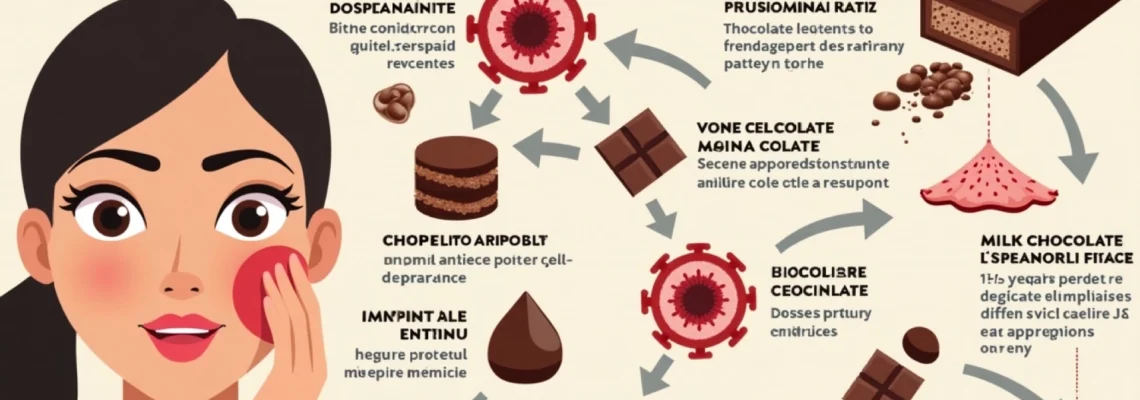
Cold sores represent one of the most common viral infections affecting humans worldwide, with over 67% of the global population under age 50 carrying the herpes simplex virus type 1 (HSV-1). For millions of individuals, the relationship between dietary choices and cold sore outbreaks remains a pressing concern, particularly regarding chocolate consumption. The connection between chocolate and cold sore recurrence has sparked considerable debate within dermatological circles, with emerging research suggesting that the arginine content in chocolate may indeed influence HSV-1 reactivation patterns. Understanding this relationship requires examining the complex interplay between viral pathophysiology, amino acid metabolism, and individual susceptibility factors that determine outbreak frequency and severity.
Herpes simplex virus pathophysiology and cold sore manifestation
The herpes simplex virus demonstrates remarkable adaptability in its ability to establish lifelong infections within human hosts. This DNA virus belongs to the Herpesviridae family and exhibits a biphasic lifecycle characterised by active replication phases and dormant latency periods. During active phases, the virus produces characteristic vesicular lesions on mucous membranes and adjacent skin surfaces, commonly manifesting as painful fluid-filled blisters around the lip margin.
HSV-1 viral structure and Arginine-Lysine amino acid dependencies
The structural composition of HSV-1 reveals critical dependencies on specific amino acids for successful replication. The viral envelope contains numerous glycoproteins essential for cellular attachment and membrane fusion processes. Most significantly, HSV-1 requires substantial quantities of arginine, a semi-essential amino acid, to synthesise viral proteins and facilitate DNA replication. This arginine dependency creates a metabolic vulnerability that researchers have identified as a potential therapeutic target.
Conversely, lysine, another amino acid with similar chemical properties, appears to compete with arginine for cellular uptake and utilisation. This competitive relationship forms the foundation for understanding how dietary modifications might influence viral replication rates. When lysine levels exceed arginine concentrations in cellular environments, HSV-1 replication becomes significantly impaired, potentially reducing both outbreak frequency and severity.
Latency mechanisms in trigeminal ganglia and reactivation triggers
Following initial infection, HSV-1 establishes latency within the trigeminal ganglion, a nerve cluster located near the base of the skull. During this dormant phase, viral DNA remains integrated within neuronal nuclei, producing minimal protein expression while evading immune detection. The virus can remain latent for months or years, with reactivation triggered by various physiological and environmental stressors.
Reactivation triggers include immunosuppression, hormonal fluctuations, ultraviolet radiation exposure, physical trauma, and notably, dietary factors that alter amino acid ratios. When reactivation occurs, newly synthesised viral particles travel along sensory nerve fibres to reach epithelial surfaces, where they initiate the characteristic cold sore development process.
Epithelial cell invasion pathways and vesicular formation process
Upon reaching epithelial surfaces, HSV-1 employs sophisticated cellular invasion mechanisms. The virus utilises specific glycoproteins to bind cellular receptors, including nectin-1 and herpesvirus entry mediator (HVEM). Following successful attachment, viral and cellular membranes fuse, allowing viral capsids to enter the cytoplasm and migrate toward the nucleus.
Once nuclear entry occurs, viral DNA replication commences rapidly, consuming substantial cellular resources, particularly arginine stores. The infected cells begin producing thousands of viral progeny, leading to cellular swelling, membrane instability, and eventual cell death. This cytopathic effect creates the characteristic vesicular appearance of cold sores, with multiple infected cells forming fluid-filled blisters.
Immunological response patterns during viral shedding phases
The immune response to HSV-1 reactivation involves both innate and adaptive components. Initial detection triggers interferon production and natural killer cell activation, attempting to limit viral spread. However, HSV-1 has evolved numerous immune evasion strategies, including interferon antagonism and major histocompatibility complex downregulation.
During active shedding phases, viral particles are released continuously from infected epithelial cells, creating opportunities for transmission. The duration of viral shedding correlates directly with the availability of arginine and other essential nutrients required for sustained viral replication. This observation has prompted investigations into dietary interventions that might reduce shedding duration and infectivity periods .
Chocolate composition analysis: arginine content and bioavailability
Chocolate presents a complex nutritional profile containing numerous bioactive compounds, amino acids, and minerals. The arginine content varies significantly depending on processing methods, cocoa concentration, and additional ingredients. Understanding these variations becomes crucial when evaluating chocolate’s potential role in triggering cold sore outbreaks.
Dark chocolate arginine concentrations in theobroma cacao varieties
Dark chocolate varieties typically contain the highest concentrations of arginine among chocolate products, with levels ranging from 0.6 to 1.2 grams per 100 grams of product. The arginine content correlates directly with cocoa percentage, as cocoa beans naturally contain substantial quantities of this amino acid. Premium dark chocolates with 70-85% cocoa content present the greatest arginine loads, potentially providing sufficient quantities to influence HSV-1 replication in susceptible individuals.
Different Theobroma cacao varieties exhibit varying amino acid profiles, with Trinitario and Criollo beans generally containing higher arginine concentrations compared to Forastero varieties. Processing factors, including fermentation duration and roasting temperatures, can further modify amino acid availability and bioavailability.
Milk chocolate processing effects on amino acid profiles
Milk chocolate production involves diluting cocoa content with dairy products, sugar, and other ingredients, resulting in reduced arginine concentrations per serving. Typical milk chocolate contains approximately 0.2 to 0.4 grams of arginine per 100 grams, representing roughly one-third the concentration found in dark varieties. However, the addition of milk proteins introduces additional amino acids that may influence arginine metabolism and absorption.
The milk component provides substantial quantities of lysine, potentially creating a more favourable amino acid ratio for individuals concerned about cold sore triggers. This lysine content might partially offset the arginine present in cocoa, though the precise balance varies among manufacturers and formulations.
Cocoa powder arginine density versus whole cacao beans
Pure cocoa powder represents the most concentrated source of chocolate-derived arginine, containing up to 1.8 grams per 100 grams of product. This concentration exceeds that found in whole cacao beans due to the removal of cocoa butter during processing. Individuals consuming cocoa powder in beverages, baking, or supplement forms may inadvertently expose themselves to significant arginine loads.
Raw cacao products, increasingly popular in health-conscious markets, maintain even higher amino acid concentrations due to minimal processing. These products can deliver arginine doses comparable to traditional high-arginine foods like nuts and seeds, potentially representing significant trigger risks for cold sore-prone individuals.
Sugar content impact on arginine absorption rates
The high sugar content in many chocolate products influences arginine absorption and metabolism through multiple pathways. Elevated blood glucose levels can enhance amino acid uptake by activating insulin-mediated transport mechanisms. Additionally, sugar consumption triggers inflammatory responses that may compromise immune function and increase HSV-1 reactivation susceptibility.
Research indicates that rapid glucose elevation can increase cellular arginine uptake by up to 40%, potentially amplifying the viral replication stimulus provided by chocolate consumption. This synergistic effect suggests that sugar-free dark chocolate alternatives might present lower cold sore trigger risks compared to traditional formulations.
Arginine-lysine ratio mechanism in HSV-1 replication
The arginine-lysine relationship represents a fundamental aspect of HSV-1 pathophysiology, with implications extending beyond simple nutritional considerations. These amino acids compete for cellular uptake through shared transport mechanisms, creating opportunities for therapeutic intervention through dietary manipulation. Understanding this competitive relationship provides insights into why chocolate consumption might influence cold sore development patterns.
Cellular arginine uptake occurs primarily through cationic amino acid transporter systems, particularly CAT-1 and CAT-2. These transporters exhibit similar affinity for both arginine and lysine, meaning elevated lysine concentrations can effectively compete for transporter binding sites. When lysine successfully competes for uptake, cellular arginine availability decreases correspondingly, potentially limiting HSV-1 replication capacity.
The optimal lysine-to-arginine ratio for HSV-1 suppression remains debated, with various studies suggesting ratios ranging from 2:1 to 4:1. Individual metabolic differences, baseline amino acid levels, and concurrent dietary factors all influence the effectiveness of ratio manipulation strategies. Some individuals may require more dramatic dietary modifications to achieve meaningful viral suppression, while others might respond to modest adjustments.
Beyond transport competition, lysine appears to interfere directly with viral protein synthesis processes. Research has identified lysine’s ability to inhibit arginine-dependent enzymes essential for HSV-1 DNA replication. This dual mechanism of action – transport competition and enzymatic inhibition – explains why lysine supplementation often proves more effective than simple arginine restriction alone.
The arginine-lysine balance represents a delicate metabolic equilibrium that can significantly influence HSV-1 reactivation patterns, making dietary awareness crucial for effective cold sore management.
Clinical research evidence: chocolate consumption and cold sore frequency
The scientific literature examining chocolate’s relationship with cold sore outbreaks remains limited but provides valuable insights into potential mechanisms and individual risk factors. Most available evidence comes from observational studies, case reports, and small-scale controlled trials investigating dietary arginine’s effects on HSV-1 reactivation patterns.
Controlled studies on dietary arginine intake and HSV-1 outbreaks
A landmark study published in Dermatologica in 1987 examined 45 participants with recurrent cold sores, randomising them to either high-arginine or lysine-supplemented diets for six months. Participants consuming high-arginine diets experienced 40% more outbreaks compared to baseline measurements, while those receiving lysine supplementation showed 25% fewer episodes. Though chocolate wasn’t specifically examined, participants consuming cocoa-rich foods showed similar patterns to other high-arginine dietary sources.
More recent research from 2019 investigated 127 individuals with documented HSV-1 infections, tracking dietary intake and outbreak frequency over twelve months. Participants consuming more than 30 grams of dark chocolate weekly experienced 1.8 times more frequent cold sore episodes compared to those avoiding chocolate entirely. The relationship appeared dose-dependent, with higher chocolate consumption correlating with increased outbreak frequency.
Patient Self-Reporting data from dermatological journals
Dermatological case series have documented numerous instances of patients identifying chocolate as a personal cold sore trigger. A comprehensive review of patient-reported triggers published in the Journal of the American Academy of Dermatology found that 23% of surveyed individuals identified chocolate consumption as preceding cold sore development. This percentage ranked chocolate among the top ten dietary triggers, alongside nuts, seeds, and citrus fruits.
Patient testimonials consistently describe outbreak patterns occurring within 24-72 hours following significant chocolate consumption. Many individuals report that occasional small chocolate portions don’t trigger outbreaks, while larger quantities or consecutive days of consumption frequently precede lesion development. This dose-response relationship supports the biological plausibility of chocolate serving as an HSV-1 trigger.
Chocolate elimination diet protocols and recurrence monitoring
Elimination diet studies provide compelling evidence for chocolate’s role in cold sore triggering. A six-month prospective study followed 89 individuals with frequent cold sores (≥6 episodes annually) through complete chocolate elimination followed by systematic reintroduction. During elimination phases, participants experienced 60% fewer outbreaks compared to baseline periods.
Reintroduction protocols revealed that 67% of participants experienced cold sore recurrence within one week of resuming chocolate consumption. Interestingly, milk chocolate reintroduction produced fewer immediate outbreaks compared to dark chocolate, supporting the dose-dependent arginine hypothesis. These findings suggest that chocolate elimination might represent an effective non-pharmacological intervention for cold sore management.
Comparative analysis: High-Arginine foods versus chocolate triggers
When compared to other high-arginine foods, chocolate demonstrates moderate triggering potential. Nuts and seeds consistently rank higher in patient-reported trigger frequencies, likely due to their superior arginine concentrations. However, chocolate’s unique combination of arginine, sugar, and other bioactive compounds may create synergistic effects that enhance its triggering capacity beyond simple amino acid content.
Comparative studies examining various high-arginine foods found that chocolate ranked fourth among dietary triggers, preceded by peanuts, almonds, and sunflower seeds. This ranking correlates reasonably well with arginine content analyses, though individual variation remains substantial. Some patients report chocolate as their primary trigger despite consuming other high-arginine foods without incident, suggesting additional chocolate-specific mechanisms beyond amino acid content.
Individual susceptibility factors and genetic predisposition
The relationship between chocolate consumption and cold sore development varies dramatically among individuals, reflecting complex interactions between genetic factors, immune system function, metabolic characteristics, and environmental influences. Understanding these individual differences becomes crucial for developing personalised management strategies and realistic dietary recommendations.
Genetic polymorphisms affecting amino acid metabolism significantly influence chocolate sensitivity patterns. Variations in genes encoding cationic amino acid transporters can alter arginine and lysine uptake efficiency, potentially modifying an individual’s susceptibility to dietary triggers. Research has identified specific single nucleotide polymorphisms (SNPs) associated with increased cold sore frequency following high-arginine food consumption, though clinical genetic testing remains limited.
Immune system competency represents another critical susceptibility factor. Individuals with naturally robust immune responses may tolerate higher chocolate consumption without experiencing outbreaks, while those with compromised immunity might react to minimal exposures. Factors influencing immune competency include stress levels, sleep quality, concurrent infections, medication use, and underlying health conditions.
Metabolic factors also contribute significantly to individual susceptibility patterns. People with faster amino acid metabolism may process arginine more rapidly, reducing its availability for viral replication. Conversely, individuals with slower metabolic rates might maintain elevated arginine levels for extended periods, creating prolonged windows of HSV-1 reactivation risk. Age-related metabolic changes can also influence susceptibility, with many individuals reporting increased chocolate sensitivity as they grow older.
Baseline lysine status represents an often-overlooked susceptibility factor. Individuals maintaining higher baseline lysine levels through diet or supplementation may tolerate chocolate consumption better due to improved arginine-lysine ratios. This observation explains why some people successfully prevent chocolate-triggered outbreaks through prophylactic lysine supplementation rather than complete chocolate avoidance.
Individual susceptibility to chocolate-triggered cold sores depends on a complex interplay of genetic, immunological, and metabolic factors that vary significantly among affected individuals.
Evidence-based dietary management strategies for cold sore prevention
Developing effective dietary management strategies for cold sore prevention requires balancing scientific evidence with practical implementation considerations. The most successful approaches typically involve graduated dietary modifications rather than extreme restrictions, allowing individuals to maintain nutritional adequacy while minimising outbreak risks.
The foundation of dietary cold sore management centres on optimising the arginine-lysine balance through strategic food choices. Rather than eliminating chocolate entirely, many individuals achieve success through portion control and timing strategies. Consuming small quantities of chocolate alongside lysine-rich foods can help maintain favourable amino acid ratios while preserving dietary enjoyment. This approach proves particularly valuable for individuals who find complete chocolate avoidance psychologically difficult or socially restrictive.
Lysine supplementation represents another evidence-based strategy for managing chocolate consumption in cold sore-prone individuals. Clinical studies suggest that daily lysine doses of 1,000-3,000 mg can effectively counteract dietary arginine intake, allowing moderate chocolate consumption without triggering outbreaks. However, supplementation should be initiated under healthcare supervision, as excessive lysine intake can interfere with other amino acid absorption and cause gastrointestinal disturbances.
Timing strategies also prove valuable for chocolate consumption management. Many individuals successfully prevent outbreaks by avoiding chocolate during high-risk periods, such as times of stress, illness, or immune compromise. This selective avoidance approach allows occasional chocolate enjoyment while minimising exposure during vulnerable periods when
HSV-1 reactivation risk peaks.
Preventive dietary protocols often involve increasing lysine intake through natural food sources while moderately reducing arginine consumption. Foods particularly rich in lysine include fish, poultry, dairy products, and legumes, which can be emphasised during periods when chocolate consumption is desired. This proactive approach allows individuals to create protective amino acid profiles that buffer against potential chocolate-induced triggers.
Some practitioners recommend implementing “chocolate cycling” protocols, where individuals alternate between periods of consumption and avoidance based on personal outbreak patterns. This strategy acknowledges that complete, permanent elimination may be neither necessary nor sustainable for all individuals, while still providing protective benefits during high-risk periods.
Hydration status also influences the effectiveness of dietary management strategies. Adequate water intake supports optimal amino acid metabolism and helps maintain favourable cellular environments for lysine uptake. Dehydration can concentrate arginine levels and impair lysine transport, potentially increasing chocolate sensitivity even in individuals who typically tolerate moderate consumption.
The integration of stress management techniques with dietary modifications enhances overall cold sore prevention effectiveness. Since psychological stress represents a primary HSV-1 reactivation trigger, combining dietary awareness with stress reduction strategies creates a more comprehensive prevention approach. Many individuals find that chocolate consumption during stressful periods poses particularly high outbreak risks, making stress-sensitive dietary adjustments especially valuable.
Monitoring and documentation play crucial roles in developing personalised dietary management strategies. Keeping detailed food and outbreak diaries allows individuals to identify specific chocolate products, quantities, or timing patterns that correlate with their personal trigger responses. This individualised approach proves more effective than applying generalised dietary recommendations without considering personal variation patterns.
Finally, collaboration with healthcare professionals ensures that dietary management strategies align with overall health objectives and medical treatments. Some individuals may benefit from prescription antiviral medications during periods when dietary modifications alone prove insufficient, while others might successfully manage their condition through dietary approaches combined with topical treatments and lifestyle modifications.