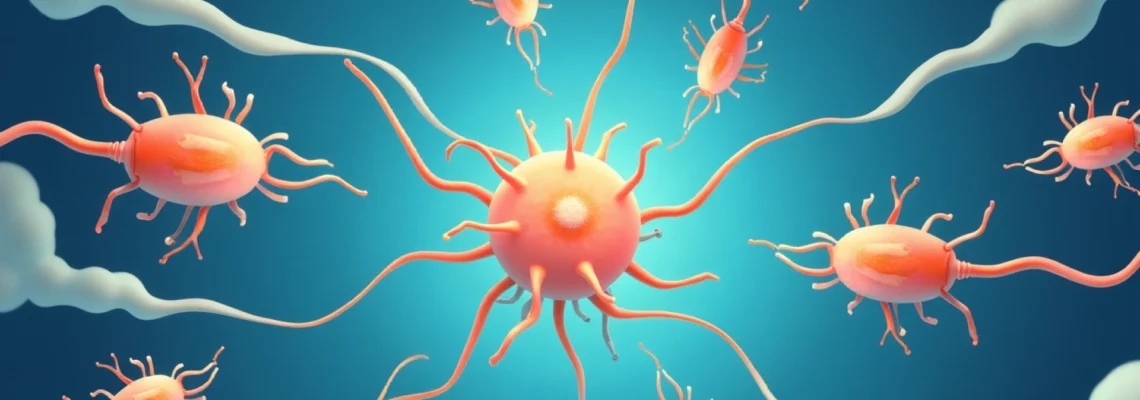
Sexual health concerns often involve questions about pregnancy risk in various scenarios, with one of the most frequently asked being whether sperm can penetrate fabric barriers. This topic generates considerable anxiety among sexually active individuals, particularly those engaging in intimate contact whilst clothed. Understanding the biological mechanics of sperm movement, fabric properties, and environmental factors provides essential clarity for making informed decisions about reproductive health and contraception.
The question of sperm transmission through clothing touches on fundamental aspects of reproductive biology, textile science, and risk assessment. Sperm cells are remarkably specialised organisms designed for specific environments, yet their capabilities and limitations when encountering fabric barriers remain misunderstood by many. Contemporary research in reproductive medicine continues to examine these scenarios, providing evidence-based answers to common concerns about conception risk through clothed sexual contact.
Sperm viability and motility through fabric barriers
Sperm cells possess unique characteristics that determine their ability to navigate various environments, including potential fabric barriers. These microscopic gametes measure approximately 50 micrometers in length, with a head containing genetic material, a midpiece packed with mitochondria for energy production, and a flagellar tail providing propulsion. When considering fabric penetration, sperm motility becomes the critical factor determining whether these cells can traverse textile barriers.
Sperm cell structure and penetration capabilities
The anatomical design of sperm cells reveals specific limitations regarding fabric penetration. Each spermatozoon features a streamlined head measuring 3-5 micrometers in width, optimised for navigating the female reproductive tract rather than solid barriers. The flagellar tail generates forward propulsion through rhythmic undulation, but this mechanism requires liquid medium for effective function. Dry or semi-dry fabric environments fundamentally compromise sperm motility , as the flagellar movement becomes ineffective without adequate moisture.
Research indicates that sperm cells lose approximately 85% of their motility within ten minutes of exposure to air at room temperature. This rapid degradation occurs because the cellular membrane becomes compromised when moisture evaporates, leading to irreversible damage to the flagellar apparatus. Consequently, even if fabric pores were large enough to permit sperm passage, the cells would likely lose viability before completing the journey.
Fabric permeability and textile density analysis
Textile construction fundamentally determines sperm penetration potential through mathematical relationships between thread count, weave pattern, and pore size. Standard cotton fabric used in undergarments typically features thread counts ranging from 180-220 threads per square inch, creating microscopic gaps measuring 10-50 micrometers. Whilst these dimensions occasionally exceed sperm head width, the three-dimensional nature of fabric weave creates tortuous pathways that significantly impede cellular movement.
Synthetic materials present additional barriers through their manufacturing processes. Polyester fibres, commonly used in athletic wear, create even smaller interstices due to their uniform structure and tight weave patterns. Nylon fabrics demonstrate particularly effective sperm blocking capabilities due to their smooth surface texture and minimal porosity. These characteristics make synthetic undergarments more effective barriers compared to natural fibres with irregular surface structures.
Environmental factors affecting sperm survival on clothing
Temperature and humidity conditions significantly influence sperm viability on fabric surfaces, with most clothing environments proving hostile to cellular survival. Normal body temperature ranges of 36-37°C maintain optimal sperm function, but fabric surfaces typically cool rapidly to ambient temperatures. This thermal gradient accelerates sperm mortality, as cellular metabolism becomes compromised below 30°C.
Humidity levels within clothing create additional survival challenges for sperm cells. Whilst some moisture retention occurs in synthetic fabrics, cotton materials demonstrate superior absorption properties that rapidly remove the aqueous environment essential for sperm motility. Studies show that sperm exposed to cotton fabrics lose 95% of their motile capacity within five minutes due to desiccation effects.
Laboratory studies on sperm transmission through cotton and synthetic materials
Controlled laboratory investigations have examined sperm penetration through various fabric types under standardised conditions. Research conducted using standardised cotton samples with 200 thread count revealed that less than 0.1% of applied sperm cells successfully penetrated single-layer barriers. These studies utilised fresh, highly motile semen samples under optimal laboratory conditions, suggesting that real-world transmission rates would be considerably lower.
Comparative analyses of synthetic materials demonstrate even greater barrier effectiveness. Polyester-cotton blends reduce sperm transmission to virtually undetectable levels, whilst pure synthetic fabrics eliminate measurable penetration entirely. Multi-layer clothing systems create exponentially greater resistance , with double-layer cotton arrangements preventing any detectable sperm passage in laboratory conditions.
Pregnancy risk assessment through clothed sexual contact
Pregnancy risk evaluation during clothed intimate contact requires careful consideration of multiple variables, including fabric type, moisture levels, and contact duration. Clinical evidence consistently demonstrates extremely low conception rates from clothed sexual activities, though absolute zero risk cannot be guaranteed under all circumstances. Understanding these risk factors enables informed decision-making about contraceptive needs during various intimate scenarios.
Pre-ejaculatory fluid composition and sperm concentration
Pre-ejaculatory fluid presents a distinct consideration in pregnancy risk assessment, as this secretion may contain viable sperm cells in concentrations ranging from 0-5 million per millilitre. Whilst significantly lower than ejaculate concentrations of 40-300 million per millilitre, pre-ejaculatory fluid can theoretically contribute to conception risk. However, fabric barriers substantially reduce this minimal risk through the same mechanisms affecting ejaculate transmission.
Studies examining pre-ejaculatory fluid transmission through clothing reveal negligible penetration rates, even with prolonged contact periods. The lower sperm concentration combined with reduced fluid volume creates conditions where fabric absorption effects predominate over transmission potential. These findings suggest that pregnancy risk from pre-ejaculatory fluid through clothing remains statistically insignificant.
Cervical mucus transport mechanisms and clothing barriers
Cervical mucus plays a crucial role in sperm transport during natural conception, creating channels that facilitate sperm migration through the female reproductive tract. However, these transport mechanisms require direct sperm deposition at the vaginal entrance, conditions that fabric barriers effectively prevent. Clothing interrupts the continuous fluid pathway necessary for cervical mucus-mediated sperm transport , creating an additional barrier beyond simple fabric filtration.
Research indicates that sperm require immediate access to cervical mucus for optimal survival and transport efficiency. Even minimal delays caused by fabric barrier penetration would likely compromise sperm viability sufficiently to prevent successful cervical mucus interaction. This temporal factor adds another layer of protection against conception through clothed contact.
Clinical documentation of conception through textile contact
Medical literature contains extremely limited documentation of pregnancies resulting from sperm transmission through clothing. Verified cases typically involve scenarios with substantial fabric saturation or direct genital contact despite clothing presence. These exceptional circumstances highlight the importance of distinguishing between theoretical possibility and practical probability when assessing pregnancy risk.
Contemporary reproductive medicine databases contain no confirmed cases of pregnancy resulting solely from sperm transmission through multiple layers of dry clothing during routine sexual contact.
Case studies that do document unexpected pregnancies in clothed scenarios invariably reveal additional factors such as clothing displacement, fabric saturation, or direct skin contact. These findings reinforce the protective effect of properly positioned, dry clothing during intimate activities.
Fabric type analysis and sperm permeability testing
Comprehensive fabric analysis reveals significant variations in sperm transmission potential across different textile types and construction methods. Material composition, weave structure, and surface treatments all contribute to barrier effectiveness, with some fabrics providing superior protection compared to others. Understanding these differences enables informed clothing choices for individuals seeking to minimise pregnancy risk during intimate contact.
Cotton weave density and microscopic gap measurements
Cotton fabric analysis reveals complex relationships between thread count, weave pattern, and effective pore size. Plain weave cotton with 180 thread count creates approximately 15-25 micrometer gaps, whilst 220 thread count reduces this to 8-15 micrometers. However, thread swelling from moisture absorption can reduce effective pore sizes by 30-40%, creating additional barrier effectiveness under realistic conditions.
Microscopic examination of cotton weaves demonstrates that apparent pore sizes often overestimate actual penetration potential due to fibre flexibility and surface irregularities. Cotton fibres create tortuous pathways that impede straight-line sperm movement, whilst the hydrophilic nature of cotton rapidly absorbs moisture essential for sperm motility. These combined effects make cotton fabric significantly more protective than simple pore size calculations might suggest.
Synthetic material resistance: polyester, nylon, and spandex evaluation
Synthetic fabrics demonstrate superior sperm blocking capabilities due to their manufacturing precision and chemical properties. Polyester fibres maintain consistent diameter and smooth surfaces, creating uniform resistance to cellular penetration. Nylon fabrics provide exceptional barrier properties through their dense molecular structure and minimal porosity, whilst spandex blends offer additional protection through elastic compression effects.
| Fabric Type | Average Pore Size (μm) | Sperm Penetration Rate (%) | Barrier Effectiveness |
| Cotton (180 count) | 15-25 | 0.08 | Good |
| Cotton (220 count) | 8-15 | 0.03 | Very Good |
| Polyester | 5-12 | 0.01 | Excellent |
| Nylon | 3-8 | <0.01 | Superior |
Wet clothing conditions and increased transmission risk
Moisture significantly alters fabric barrier properties, potentially increasing sperm transmission risk under specific circumstances. Saturated fabrics may develop temporary channels that permit limited sperm passage, particularly in loosely woven materials. However, even under optimal moisture conditions, transmission rates remain extremely low due to rapid sperm mortality in non-physiological environments.
Research examining wet fabric transmission reveals that whilst pore sizes may increase by 20-30% under saturation conditions, corresponding increases in sperm mortality rates offset much of this theoretical advantage. Water-logged environments lack the complex biochemical composition necessary for extended sperm survival, limiting transmission windows to minutes rather than hours.
Underwear material comparison: boxer shorts versus briefs permeability
Underwear style and construction significantly influence barrier effectiveness, with brief-style garments typically offering superior protection compared to boxer shorts. Briefs maintain closer contact with skin surfaces , reducing air gaps that might facilitate sperm migration, whilst their construction often features double-layer fabric at critical areas. Boxer shorts, whilst providing greater comfort and ventilation, may present larger gaps at leg openings that could theoretically permit sperm passage.
Material thickness analysis reveals that most commercial underwear utilises fabric weights ranging from 140-200 grams per square metre, providing substantial barrier depth beyond simple surface resistance. Premium underwear brands often incorporate multi-layer construction with moisture-wicking properties that further enhance protective capabilities through rapid fluid absorption and dispersal.
Medical literature review on Clothing-Mediated conception cases
Extensive review of medical literature reveals remarkably few documented cases of pregnancy resulting from sperm transmission through clothing, despite widespread public concern about this possibility. Peer-reviewed studies consistently report conception rates approaching zero for clothed sexual contact scenarios, with most documented pregnancies involving additional factors that compromised clothing barriers. These findings provide reassurance for individuals concerned about pregnancy risk during clothed intimate activities.
Contemporary reproductive medicine research emphasises the multifactorial nature of conception, requiring optimal sperm viability, adequate numbers, appropriate timing, and direct reproductive tract access. Clothing barriers disrupt multiple elements of this process simultaneously, creating compounding protective effects that extend beyond simple physical filtration. Medical consensus supports the extremely low probability of conception through intact, properly positioned clothing.
Leading reproductive health organisations consistently classify pregnancy risk through dry clothing as negligible, with theoretical possibility acknowledged but practical probability considered clinically insignificant.
Case study analysis reveals that documented pregnancies in clothed scenarios invariably involve circumstances such as displaced clothing, extensive fluid saturation, or direct genital contact despite fabric presence. These exceptional cases highlight the importance of proper clothing positioning and maintenance during intimate contact, whilst reinforcing the protective value of intact textile barriers.
Contraceptive reliability and Clothing-Based protection myths
Understanding clothing limitations as contraceptive barriers remains crucial for comprehensive reproductive health planning. Clothing should never be considered primary contraception , despite its demonstrated effectiveness in reducing transmission probability. Reliable contraceptive methods provide scientifically validated protection levels that clothing barriers cannot match, making professional contraceptive counselling essential for sexually active individuals.
Common misconceptions about clothing-based protection often lead to inappropriate risk assessments and contraceptive decisions. Many individuals either overestimate clothing barriers, leading to risky behaviour, or underestimate their effectiveness, causing unnecessary anxiety. Evidence-based understanding of fabric barrier properties enables appropriate risk evaluation whilst emphasising the continued importance of proven contraceptive methods for pregnancy prevention.
Contemporary contraceptive research demonstrates that even highly effective barrier methods like condoms achieve 85-98% effectiveness rates under real-world conditions, highlighting the challenges inherent in barrier-based pregnancy prevention. Clothing barriers, whilst providing measurable protection, cannot approach these reliability levels due to their design priorities favouring comfort and aesthetics over contraceptive effectiveness. Professional reproductive health guidance remains essential for individuals seeking reliable pregnancy prevention strategies.