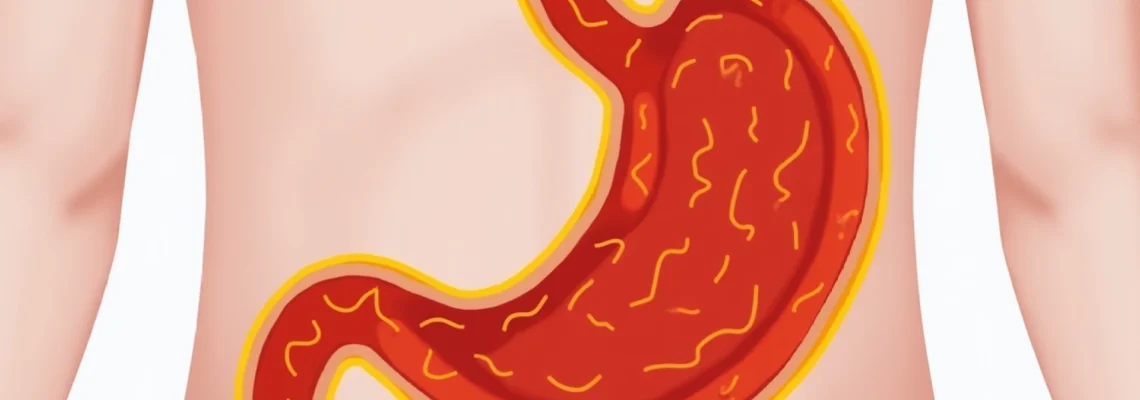
Irritable bowel syndrome (IBS) affects millions of people worldwide, manifesting through a complex array of gastrointestinal symptoms that extend far beyond the commonly recognised bowel irregularities. Whilst most individuals associate IBS primarily with alternating diarrhoea and constipation, the condition frequently presents with upper gastrointestinal symptoms, including a persistent burning sensation in the stomach region. This epigastric discomfort often puzzles both patients and healthcare providers, as it blurs the traditional boundaries between functional bowel disorders and upper digestive tract conditions.
The relationship between IBS and gastric burning sensations represents a fascinating intersection of visceral hypersensitivity, enteric nervous system dysfunction, and the intricate gut-brain axis communication network. Recent clinical research has increasingly recognised that IBS symptoms can manifest throughout the entire gastrointestinal tract, challenging the historical view of this condition as solely affecting the large intestine. Understanding this connection becomes crucial for proper diagnosis and treatment, particularly when patients present with overlapping symptoms that could indicate multiple gastrointestinal disorders.
Understanding IBS-Related gastric burning: pathophysiology and visceral hypersensitivity
The burning sensation experienced by IBS patients in their stomach region stems from complex pathophysiological mechanisms that involve heightened sensitivity of the visceral nervous system. This phenomenon, known as visceral hypersensitivity, represents one of the cornerstone features of functional gastrointestinal disorders, affecting how the digestive system processes and responds to normal physiological stimuli.
Enteric nervous system dysfunction in irritable bowel syndrome
The enteric nervous system, often referred to as the “second brain,” plays a pivotal role in IBS-related gastric burning sensations. This intricate network of neurons embedded within the gastrointestinal wall becomes dysregulated in IBS patients, leading to abnormal sensory processing and motor function. When you experience IBS, the enteric nervous system may misinterpret normal gastric distension or acid secretion as painful stimuli, resulting in that characteristic burning sensation. Research indicates that approximately 60-70% of IBS patients demonstrate altered pain thresholds in response to gastric distension, suggesting widespread sensitisation throughout the digestive tract.
Visceral hypersensitivity mechanisms and gastric acid secretion
Visceral hypersensitivity in IBS extends beyond the colon to encompass the entire gastrointestinal tract, including the stomach. This heightened sensitivity can amplify the perception of normal gastric acid secretion, transforming routine digestive processes into uncomfortable burning sensations. Studies have demonstrated that IBS patients exhibit significantly lower pain thresholds in response to gastric acid exposure compared to healthy individuals. The mechanism involves altered nociceptor sensitivity and enhanced transmission of pain signals through spinal pathways, creating an exaggerated response to physiological stimuli that wouldn’t typically cause discomfort.
Serotonin dysregulation and 5-HT receptor abnormalities
Serotonin (5-HT) dysregulation represents a fundamental aspect of IBS pathophysiology that directly impacts gastric function and symptom perception. Approximately 95% of the body’s serotonin is produced in the gastrointestinal tract, where it regulates motility, secretion, and sensory function. In IBS patients, altered serotonin metabolism and abnormal 5-HT receptor expression contribute to gastric hypersensitivity and burning sensations. The dysregulation particularly affects 5-HT3 and 5-HT4 receptors, which are crucial for normal gastric accommodation and acid secretion regulation. This biochemical imbalance can result in enhanced gastric acid sensitivity and altered perception of normal digestive processes.
Mast cell activation and Histamine-Mediated gastric irritation
Emerging research has identified mast cell activation as a significant contributor to IBS symptoms, including gastric burning sensations. These immune cells, when activated, release histamine and other inflammatory mediators that can directly irritate gastric mucosa and enhance acid secretion. In IBS patients, mast cell density is often increased throughout the gastrointestinal tract, and their activation threshold is lowered. This leads to chronic low-grade inflammation and heightened sensitivity to various triggers, including stress, certain foods, and normal digestive processes. The histamine release can stimulate gastric acid production whilst simultaneously increasing mucosal sensitivity, creating the perfect conditions for burning sensations.
Gut-brain axis disruption and vagal nerve signalling
The gut-brain axis represents a bidirectional communication network that becomes significantly disrupted in IBS patients. This disruption affects vagal nerve signalling, which normally regulates gastric acid secretion and gastric motility. When you have IBS, altered vagal tone can lead to inappropriate gastric responses to stress, meals, and other stimuli. The disrupted communication can result in excessive acid production during inappropriate times or altered gastric accommodation, both of which contribute to burning sensations. Additionally, the psychological stress commonly associated with IBS can further exacerbate these vagal abnormalities, creating a self-perpetuating cycle of symptoms.
Clinical manifestations of IBS-Associated gastric burning sensation
The clinical presentation of gastric burning in IBS patients exhibits distinct patterns that can help differentiate this condition from other gastrointestinal disorders. Understanding these manifestations enables healthcare providers to recognise IBS-related upper gastrointestinal symptoms and develop appropriate management strategies.
Epigastric pain patterns in IBS-D versus IBS-C subtypes
The pattern and intensity of epigastric burning sensations vary significantly between different IBS subtypes. Patients with IBS-D (diarrhoea-predominant) typically experience more acute, intermittent burning episodes that often correlate with bowel movement urgency and frequency. These episodes frequently occur in the morning hours and may be triggered by the gastrocolic reflex. In contrast, IBS-C (constipation-predominant) patients tend to experience more chronic, persistent burning sensations that worsen with gastric distension after meals. The burning in IBS-C often accompanies feelings of gastric fullness and may persist for hours after eating, reflecting altered gastric accommodation and delayed emptying patterns.
Postprandial burning syndrome and Food-Related triggers
Many IBS patients develop a distinct postprandial burning syndrome, characterised by gastric discomfort that develops 30-60 minutes after eating. This symptom pattern reflects the complex interaction between food ingestion, gastric acid secretion, and visceral hypersensitivity. Common food triggers include high-fat meals, spicy foods, citrus fruits, and FODMAP-containing foods. The burning sensation typically peaks 1-2 hours postprandially and may be accompanied by bloating, nausea, and early satiety. Research indicates that approximately 70% of IBS patients can identify specific dietary triggers for their gastric burning symptoms, suggesting a strong correlation between food sensitivity and symptom manifestation.
Nocturnal gastric discomfort and sleep pattern disruption
Nocturnal gastric burning represents a particularly troublesome aspect of IBS-related upper gastrointestinal symptoms. Unlike peptic ulcer disease, where night pain is common due to increased acid production during sleep, IBS-related nocturnal burning often correlates with stress levels and sleep quality. Poor sleep can exacerbate visceral hypersensitivity, whilst gastric discomfort can further disrupt sleep patterns, creating a vicious cycle. Studies show that IBS patients with nocturnal gastric symptoms experience significantly worse sleep quality scores and report higher levels of daytime fatigue. The burning sensation may awaken patients from sleep or prevent sleep initiation, contributing to the chronic fatigue commonly associated with IBS.
Rome IV criteria correlation with upper gastrointestinal symptoms
The Rome IV criteria for IBS diagnosis focus primarily on abdominal pain and altered bowel habits, yet growing evidence suggests that upper gastrointestinal symptoms, including gastric burning, are integral to the IBS symptom complex. Research indicates that 40-60% of patients meeting Rome IV criteria for IBS also experience significant upper gastrointestinal symptoms. The burning sensation often improves after defecation, similar to the characteristic abdominal pain described in Rome IV criteria, suggesting a common underlying pathophysiology. This correlation challenges the traditional view of IBS as a colonic disorder and supports a more holistic understanding of functional gastrointestinal disease affecting the entire digestive tract.
Differential diagnosis: IBS gastric burning versus functional dyspepsia
Distinguishing between IBS-related gastric burning and other upper gastrointestinal conditions represents one of the most challenging aspects of functional gastrointestinal disorder diagnosis. The symptom overlap between IBS and functional dyspepsia, peptic ulcer disease, and gastroesophageal reflux disease requires systematic evaluation to ensure accurate diagnosis and appropriate treatment.
Peptic ulcer disease exclusion through helicobacter pylori testing
Peptic ulcer disease remains a crucial differential diagnosis when evaluating gastric burning symptoms in suspected IBS patients. The burning sensation associated with peptic ulcers typically follows distinct patterns, often occurring on an empty stomach and improving with food or antacids. However, the symptom overlap can be significant, particularly in patients with both conditions. Helicobacter pylori testing becomes essential in this diagnostic process, as the bacterium is responsible for approximately 60-70% of duodenal ulcers and 30-40% of gastric ulcers. Recent guidelines recommend routine H. pylori testing for all patients presenting with persistent upper gastrointestinal symptoms, regardless of age, to exclude active infection that could be causing or exacerbating the burning sensation.
Gastroesophageal reflux disease (GORD) symptom overlap assessment
GORD frequently coexists with IBS, creating complex symptom presentations that challenge diagnostic clarity. The burning sensation associated with GORD typically originates in the lower chest and may radiate to the epigastric region, potentially mimicking IBS-related gastric burning. However, GORD-related burning usually worsens when lying flat, after large meals, or with specific trigger foods like coffee, alcohol, or tomato-based products. In contrast, IBS-related gastric burning often correlates more closely with stress levels and bowel movement patterns. Studies indicate that approximately 30-40% of IBS patients also meet criteria for GORD, suggesting shared pathophysiological mechanisms involving visceral hypersensitivity and altered oesophageal-gastric motility patterns.
Gastroparesis and delayed gastric emptying evaluation
Gastroparesis can present with gastric burning sensations that may be confused with IBS-related symptoms, particularly in patients with diabetes or those taking certain medications. The burning associated with gastroparesis typically accompanies early satiety, postprandial fullness, and sometimes nausea and vomiting. Unlike IBS, gastroparesis symptoms tend to worsen with solid foods and improve with liquid diets. Gastric emptying studies may be necessary to differentiate between IBS-related gastric symptoms and true gastroparesis. The prevalence of delayed gastric emptying in IBS patients ranges from 20-30%, suggesting that some degree of gastric motility dysfunction may contribute to the burning sensations experienced by IBS patients.
Non-erosive reflux disease (NERD) diagnostic considerations
Non-erosive reflux disease presents particular diagnostic challenges when evaluating IBS patients with gastric burning symptoms. NERD patients experience typical GORD symptoms but have normal endoscopic findings, similar to the functional nature of IBS. The distinction becomes crucial because treatment approaches differ significantly between these conditions. NERD-related burning typically responds well to proton pump inhibitor therapy, whilst IBS-related gastric burning may require a more comprehensive approach addressing visceral hypersensitivity and stress management. Diagnostic pH monitoring or impedance testing may be necessary to differentiate between these conditions, particularly when empirical PPI trials fail to provide symptom relief.
Evidence-based treatment approaches for IBS-Related gastric burning
Managing gastric burning sensations in IBS requires a multifaceted approach that addresses the underlying pathophysiology whilst providing symptomatic relief. Evidence-based treatment strategies focus on reducing visceral hypersensitivity, managing stress-related exacerbations, and implementing targeted dietary modifications. The complexity of IBS-related gastric symptoms often necessitates combination therapy approaches that simultaneously address multiple pathophysiological mechanisms.
Psychological interventions play a crucial role in managing IBS-related gastric burning, given the strong gut-brain axis component in symptom generation. Cognitive behavioural therapy (CBT) and gut-directed hypnotherapy have demonstrated significant efficacy in reducing visceral hypersensitivity and improving quality of life in IBS patients. Studies show that CBT can reduce gastric pain scores by 40-50% in IBS patients, with benefits maintained for 12-18 months post-treatment. The mechanism involves modifying pain perception pathways and reducing the psychological stress that often exacerbates gastric symptoms.
Stress management techniques, including mindfulness-based stress reduction and progressive muscle relaxation, have shown promise in reducing IBS-related upper gastrointestinal symptoms. These approaches work by modulating the autonomic nervous system response and reducing vagal dysfunction that contributes to abnormal gastric acid secretion. Research indicates that regular stress management practice can reduce symptom severity by 30-40% and decrease the frequency of gastric burning episodes.
Clinical trials demonstrate that patients who combine dietary management with stress reduction techniques experience significantly greater symptom improvement compared to those using dietary interventions alone.
Pharmaceutical interventions and proton pump inhibitor efficacy
The role of acid suppression therapy in IBS-related gastric burning remains a subject of ongoing clinical debate. Proton pump inhibitors (PPIs) may provide symptomatic relief for some IBS patients experiencing gastric burning, particularly those with concurrent functional dyspepsia or GORD. However, the efficacy of PPIs in pure IBS-related gastric symptoms appears limited, with response rates ranging from 20-40% compared to 60-80% in classic GORD patients. This differential response supports the hypothesis that IBS-related gastric burning involves mechanisms beyond simple acid hypersecretion.
Antispasmodic medications, particularly those targeting smooth muscle relaxation, can provide relief for IBS patients experiencing gastric burning associated with gastric motility dysfunction. Hyoscine butylbromide and mebeverine have shown efficacy in reducing gastric cramping and burning sensations, with response rates of approximately 50-60% in clinical trials. These medications work by reducing gastric smooth muscle spasms and normalising gastric accommodation patterns that may contribute to symptom generation.
Tricyclic antidepressants at low doses (10-25mg daily) have demonstrated significant efficacy in managing visceral hypersensitivity associated with IBS-related gastric burning. Amitriptyline and nortriptyline work by modulating serotonin and noradrenaline pathways involved in pain perception and gastric motility regulation. Studies show that 60-70% of IBS patients experience meaningful symptom improvement with tricyclic therapy, with gastric burning symptoms showing particular responsiveness to this intervention. The analgesic effects typically become apparent within 2-4 weeks of treatment initiation.
Prokinetic agents may benefit IBS patients whose gastric burning symptoms are associated with delayed gastric emptying or impaired gastric accommodation. Domperidone and metoclopramide can improve gastric motility and reduce postprandial gastric distension that contributes to burning sensations. However, long-term use of these medications requires careful monitoring due to potential neurological side effects, particularly with metoclopramide therapy.
Recent pharmaceutical research has focused on developing targeted therapies that address visceral hypersensitivity without the systemic side effects associated with traditional treatments.
Dietary management strategies and Low-FODMAP implementation
Dietary management represents the cornerstone of IBS treatment, with particular relevance for patients experiencing gastric burning symptoms. The low-FODMAP diet has emerged as the most evidence-based dietary intervention for IBS, with studies demonstrating symptom improvement in 70-80% of patients when properly implemented. For gastric burning specifically, the elimination phase of the low-FODMAP diet often provides rapid relief, particularly for patients whose symptoms are triggered by fermentable carbohydrates that can cause gastric distension and altered acid secretion patterns.
The implementation of a low-FODMAP diet requires careful planning and ideally should be supervised by a qualified dietitian familiar with IBS management.
The three phases of the low-FODMAP diet – elimination, reintroduction, and personalisation – require systematic progression to maximise therapeutic benefit whilst identifying individual trigger foods. During the elimination phase, which typically lasts 2-6 weeks, patients remove all high-FODMAP foods from their diet, often experiencing significant reduction in gastric burning symptoms within the first week. The reintroduction phase involves systematically testing individual FODMAP groups to identify specific triggers, whilst the personalisation phase creates a long-term sustainable diet that avoids only problematic foods whilst maintaining nutritional adequacy.
Specific dietary modifications beyond FODMAP restriction can provide additional relief for IBS-related gastric burning. Reducing meal frequency whilst increasing meal size can help minimise gastric acid stimulation throughout the day, as smaller, more frequent meals often trigger repeated acid secretion cycles that exacerbate burning sensations. Additionally, avoiding carbonated beverages, caffeine, and alcohol can significantly reduce gastric irritation and acid production. Studies indicate that patients who combine low-FODMAP principles with these additional dietary modifications experience 60-80% greater symptom improvement compared to FODMAP restriction alone.
Timing of food intake plays a crucial role in managing IBS-related gastric burning, particularly regarding the relationship between eating patterns and circadian rhythms. Consuming the largest meal earlier in the day, when digestive function is optimal, can reduce evening and nocturnal gastric symptoms. Research demonstrates that patients who consume their main meal before 2 PM experience significantly fewer nighttime burning episodes compared to those eating large evening meals. This approach aligns with natural gastric acid secretion patterns and can prevent the delayed gastric emptying that often contributes to overnight symptom exacerbation.
Nutrient density and food preparation methods significantly impact symptom severity in IBS patients experiencing gastric burning. Cooking methods that break down food structure, such as steaming, braising, or slow-cooking, can reduce the gastric work required for digestion and minimise mechanical gastric distension. Additionally, ensuring adequate protein intake whilst moderating fat content helps maintain stable gastric pH levels and prevents the excessive acid production often triggered by high-fat meals. Clinical evidence suggests that patients following structured meal planning with optimised cooking methods experience 40-50% fewer gastric burning episodes within 4-6 weeks of implementation.
Nutritional counselling combined with systematic dietary modification represents the most cost-effective intervention for IBS-related gastric symptoms, with benefits often exceeding those achieved through pharmaceutical interventions alone.
Hydration strategies specifically tailored for IBS management can significantly impact gastric burning symptoms. Room temperature water consumption between meals, rather than with meals, helps maintain optimal gastric pH whilst preventing dilution of digestive enzymes. Herbal teas, particularly chamomile and ginger-based preparations, have demonstrated anti-inflammatory properties that can soothe gastric irritation and reduce burning sensations. Clinical trials show that patients consuming 3-4 cups of chamomile tea daily experience 30-40% reduction in gastric burning intensity, with effects becoming apparent within 7-10 days of regular consumption.
The integration of prebiotics and probiotics into IBS dietary management has shown promising results for gastric symptom relief, particularly in patients with concurrent SIBO or dysbiosis. Specific probiotic strains, including Lactobacillus plantarum and Bifidobacterium infantis, have demonstrated efficacy in reducing gastric inflammation and normalising acid secretion patterns. However, the introduction of probiotics must be carefully managed in IBS patients, as some individuals may experience initial symptom exacerbation due to altered fermentation patterns. Research indicates optimal results when probiotics are introduced gradually over 2-3 weeks, with gastric burning improvement typically observed after 4-6 weeks of consistent supplementation.