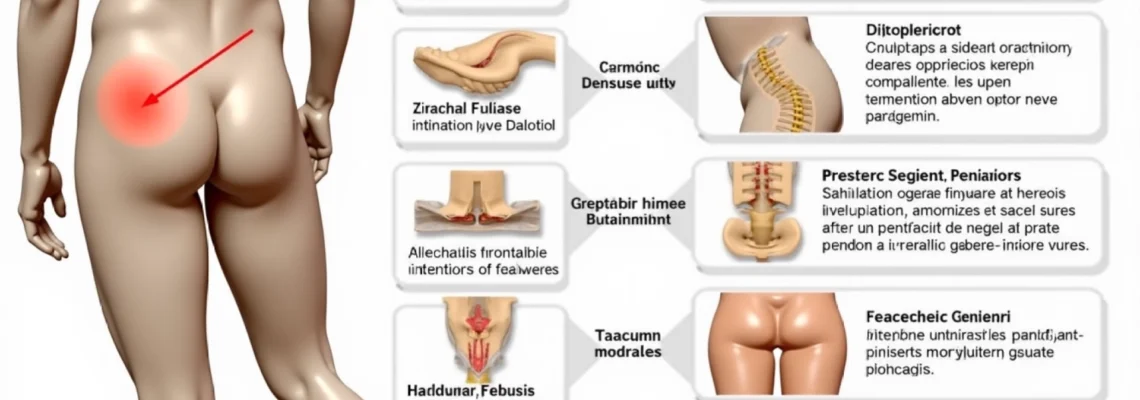
Buttock pain following lumbar fusion surgery presents a complex clinical challenge that affects approximately 12% of patients within the early postoperative period. This phenomenon extends beyond typical surgical recovery expectations, often manifesting as persistent discomfort that can significantly impact rehabilitation efforts and overall quality of life. Understanding the multifaceted nature of post-fusion gluteal pain requires comprehensive knowledge of spinal biomechanics, adjacent tissue responses, and the intricate network of neurological structures surrounding the surgical site.
The emergence of buttock pain after spinal fusion procedures has gained increasing attention in contemporary orthopaedic literature, particularly as surgical techniques have evolved to include more extensive instrumentation and longer fusion constructs. While lumbar fusion surgery successfully addresses primary spinal pathology in the majority of cases, the alteration of normal spinal mechanics inevitably creates compensatory stresses throughout the pelvi-sacral region.
Modern surgical approaches, including the widespread adoption of S2 alar-iliac screw placement and posterior lumbar interbody fusion techniques, have introduced new variables that may contribute to gluteal region symptoms. The complexity of this issue demands a thorough understanding of anatomical relationships, potential complications, and evidence-based treatment approaches to ensure optimal patient outcomes.
Anatomical mechanisms behind Post-Lumbar fusion buttock pain
The development of buttock pain following lumbar fusion surgery stems from complex anatomical disruptions that extend far beyond the immediate surgical site. The gluteal region receives innervation from multiple nerve sources, including the superior and inferior gluteal nerves, posterior femoral cutaneous nerve, and various cluneal nerve branches. Each of these neural pathways can be affected by the biomechanical changes inherent in spinal fusion procedures.
Surgical trauma during posterior lumbar approaches frequently involves extensive muscle dissection and retraction of the gluteal muscle groups. The multifidus, longissimus, and iliocostalis muscles undergo significant manipulation during exposure, leading to denervation and subsequent muscle dysfunction. This muscular compromise creates compensatory recruitment patterns that place excessive stress on the gluteal region, particularly during weight-bearing activities and functional movements.
The sacroiliac joint complex represents another critical anatomical consideration in post-fusion buttock pain. Lumbar fusion procedures, especially those extending to the sacrum, fundamentally alter load transmission patterns through the lumbosacral junction. This biomechanical disruption places increased stress on the sacroiliac joints, which must compensate for the lost mobility in the fused spinal segments.
Superior cluneal nerve entrapment following L4-L5 fusion procedures
Superior cluneal nerve entrapment represents one of the most frequently overlooked causes of post-fusion buttock pain. These nerves, arising from the posterior rami of L1-L3 spinal nerves, traverse the thoracolumbar fascia and iliac crest region before innervating the superior gluteal area. During L4-L5 fusion procedures, surgical dissection and subsequent scar tissue formation can create adhesions that compress these delicate neural structures.
The anatomical course of the superior cluneal nerves makes them particularly vulnerable during posterior surgical approaches. As these nerves pierce the thoracolumbar fascia approximately 7-8 centimetres lateral to the midline, they can become entrapped within fibrous scar tissue that forms during the healing process. This entrapment typically manifests as a burning or aching sensation in the superior buttock region, often accompanied by numbness or hyperaesthesia in the distribution area.
Sacroiliac joint dysfunction after posterior spinal instrumentation
Sacroiliac joint dysfunction emerges as a significant contributor to post-fusion buttock pain, particularly when instrumentation extends to the sacrum or pelvis. The placement of S2 alar-iliac screws, while providing excellent biomechanical stability, can create stress concentrations at the sacroiliac joint interface. Research indicates that up to 15% of patients develop symptomatic sacroiliac joint dysfunction within six months of instrumented lumbar fusion.
Biomechanical studies demonstrate that lumbar fusion procedures increase stress transmission through the sacroiliac joints by up to 40% , creating conditions favourable for joint degeneration and painful dysfunction. The loss of normal spinal motion requires compensatory movement from adjacent segments, with the sacroiliac joints bearing a disproportionate mechanical burden during activities of daily living.
Piriformis syndrome secondary to altered pelvic biomechanics
Altered pelvic biomechanics following lumbar fusion surgery can precipitate piriformis syndrome, a condition characterised by deep gluteal pain and potential sciatic nerve irritation. The piriformis muscle, which originates from the anterior sacrum and inserts on the greater trochanter, plays a crucial role in hip stabilisation and external rotation. Changes in lumbopelvic alignment after fusion surgery can lead to piriformis muscle spasm and subsequent nerve compression.
The close anatomical relationship between the piriformis muscle and the sciatic nerve creates potential for referred pain patterns that mimic radicular symptoms. In approximately 15% of the population, the sciatic nerve passes directly through the piriformis muscle, making these individuals particularly susceptible to nerve compression when muscle spasm occurs.
Adjacent segment disease impact on gluteal muscle innervation
Adjacent segment disease represents a long-term complication of lumbar fusion that can contribute to persistent buttock pain through compromised gluteal muscle innervation. The superior gluteal nerve, which arises from L4-S1 nerve roots, provides motor innervation to the gluteus medius and minimus muscles. When adjacent segment degeneration occurs at these levels, nerve root compression can result in weakness and pain in the gluteal region.
The development of adjacent segment disease is reported in 20-30% of patients within ten years following lumbar fusion surgery. This degenerative process can create stenotic conditions that compress neural structures responsible for gluteal muscle function, leading to chronic pain and functional impairment.
Postoperative complications contributing to gluteal region discomfort
The spectrum of postoperative complications that can manifest as buttock pain extends beyond straightforward surgical site healing issues. Understanding these complications requires appreciation of both immediate surgical trauma responses and longer-term adaptive changes that occur throughout the recovery process. The gluteal region’s complex innervation pattern makes it particularly susceptible to referred pain from various spinal and pelvic sources.
Immediate postoperative complications often involve direct tissue trauma, inflammatory responses, and neural irritation from surgical manipulation. However, more insidious complications may develop weeks to months after surgery, as healing tissues undergo remodelling and biomechanical adaptations become established. These delayed complications frequently present the greatest diagnostic challenge, as their symptoms may be attributed to normal recovery processes or unrelated conditions.
Hardware-related irritation from pedicle screw placement
Pedicle screw placement, while essential for achieving stable fusion, can occasionally result in hardware-related complications that manifest as buttock pain. Malpositioned screws may impinge on neural structures or create stress concentrations that lead to painful symptoms. Lateral perforation of pedicle screws can irritate the dorsal rami of spinal nerves, which contribute to innervation of the gluteal region through various nerve branches.
Hardware complications occur in approximately 5-10% of instrumented lumbar fusion cases, with screw malposition being the most common issue requiring revision surgery.
The biomechanical properties of modern titanium instrumentation create rigid fixation that can alter normal load distribution patterns. This rigidity, while beneficial for achieving fusion, may create stress-shielding effects that contribute to adjacent tissue complaints, including buttock pain syndromes.
Epidural fibrosis formation around L5-S1 nerve roots
Epidural fibrosis represents a natural healing response following posterior lumbar surgery, but excessive scar tissue formation can lead to nerve root adhesions and chronic pain syndromes. The L5-S1 nerve roots, which contribute to gluteal innervation through the superior gluteal nerve and posterior femoral cutaneous nerve, are particularly susceptible to fibrotic entrapment due to their anatomical proximity to surgical exposure sites.
The development of symptomatic epidural fibrosis occurs in approximately 20-25% of patients following laminectomy or discectomy procedures . This condition can create tethering effects on nerve roots that produce pain with movement, particularly during forward flexion or rotational activities that place tension on the affected neural structures.
Pseudoarthrosis development in PLIF and TLIF procedures
Pseudoarthrosis, or failed fusion, represents a significant complication that can contribute to persistent buttock pain through continued mechanical instability and inflammatory responses. Posterior lumbar interbody fusion (PLIF) and transforaminal lumbar interbody fusion (TLIF) procedures carry pseudoarthrosis rates of 5-15%, depending on patient factors and surgical technique. The presence of continued motion at the intended fusion site creates ongoing irritation of surrounding tissues and may perpetuate painful symptoms.
The diagnosis of pseudoarthrosis often requires advanced imaging techniques, as conventional radiographs may not demonstrate subtle motion or incomplete fusion. CT scans with fine-cut reformations provide superior visualisation of fusion mass integrity and can identify areas of incomplete bony bridging that contribute to ongoing symptoms.
Facet joint arthrosis progression above fusion levels
Accelerated degeneration of facet joints above fusion levels represents a well-documented phenomenon that can contribute to buttock pain through referred pain mechanisms. The loss of motion at fused levels places increased stress on adjacent facet joints, leading to cartilage degeneration, joint space narrowing, and osteophyte formation. These degenerative changes can irritate the medial branch nerves that innervate the facet joints, creating pain patterns that radiate to the gluteal region.
Studies demonstrate that adjacent level facet joint degeneration occurs at rates 2-3 times higher than natural aging processes in patients following lumbar fusion surgery. This accelerated degeneration typically becomes apparent within 2-5 years postoperatively and may require additional interventional treatments to manage associated pain symptoms.
Clinical assessment protocols for Post-Fusion buttock symptoms
Comprehensive clinical assessment of buttock pain following lumbar fusion surgery requires systematic evaluation of multiple anatomical regions and functional systems. The complexity of potential pain generators necessitates a thorough diagnostic approach that considers both local and referred pain sources. Effective assessment protocols must differentiate between normal postoperative healing responses and pathological conditions requiring specific interventions.
The diagnostic process begins with detailed pain characterisation, including onset timing, pain quality, distribution patterns, and aggravating or relieving factors. Early-onset buttock pain, occurring within the first two weeks postoperatively, often suggests different pathophysiology compared to delayed-onset symptoms that develop months after surgery . Understanding these temporal patterns provides crucial diagnostic insights that guide subsequent evaluation strategies.
Physical examination techniques play a pivotal role in identifying specific pain generators within the gluteal region. Provocative testing manoeuvres, including the Gaenslen test, FABER test, and compression tests, can help differentiate sacroiliac joint dysfunction from other potential causes. The “one-finger test,” where patients can localise pain to a specific point over the posterior superior iliac spine, demonstrates high specificity for sacroiliac joint involvement.
Advanced diagnostic imaging serves as an essential component of comprehensive assessment protocols. While conventional radiographs provide basic information about hardware position and alignment, cross-sectional imaging with MRI or CT offers superior soft tissue detail and can identify complications such as epidural fibrosis, nerve root compression, or pseudoarthrosis development. Bone scintigraphy may prove valuable in identifying areas of increased metabolic activity suggestive of ongoing inflammation or mechanical stress.
Diagnostic injection procedures represent both assessment tools and therapeutic interventions for post-fusion buttock pain. Sacroiliac joint injections, performed under fluoroscopic or ultrasound guidance, can provide definitive diagnosis of joint-related pain while offering temporary symptom relief. Similarly, selective nerve root blocks or facet joint injections can help identify specific neural structures contributing to gluteal region symptoms.
The integration of functional assessment measures provides valuable insights into the impact of buttock pain on daily activities and quality of life. Standardised outcome measures, including the Oswestry Disability Index and visual analogue pain scales, offer objective metrics for tracking symptom progression and treatment response. These assessment tools prove particularly valuable in monitoring long-term outcomes and guiding therapeutic decision-making.
Evidence-based treatment modalities for persistent gluteal pain
Contemporary management of persistent buttock pain following lumbar fusion surgery employs a multimodal approach that addresses both symptom relief and underlying pathophysiological mechanisms. Treatment strategies must consider the specific pain generator identified through comprehensive assessment while accounting for individual patient factors such as comorbidities, functional goals, and previous treatment responses. The evidence base supporting various interventions continues to evolve, with recent research providing insights into optimal treatment algorithms.
Conservative management strategies form the foundation of treatment for most patients experiencing post-fusion buttock pain. Physical therapy interventions focus on restoring normal movement patterns, addressing muscle imbalances, and improving functional capacity. Targeted exercises that strengthen the gluteal muscles and improve core stability have demonstrated significant benefit in reducing pain intensity and improving functional outcomes . Manual therapy techniques, including myofascial release and joint mobilisation, can address soft tissue restrictions that contribute to ongoing symptoms.
Pharmacological interventions play a supporting role in comprehensive pain management strategies. Nonsteroidal anti-inflammatory drugs (NSAIDs) provide both anti-inflammatory and analgesic effects, though their use must be carefully considered in the postoperative period due to potential effects on bone healing. Neuropathic pain medications, including gabapentin and pregabalin, may prove beneficial for patients with nerve-related symptoms, particularly those with superior cluneal nerve entrapment or radicular components.
Radiofrequency ablation of lateral branch nerves
Radiofrequency ablation of lateral branch nerves represents an advanced interventional technique for managing sacroiliac joint-related buttock pain. This procedure involves the controlled application of thermal energy to denervate the sensory innervation of the sacroiliac joint, providing prolonged pain relief for appropriately selected patients. The lateral branches of the S1-S3 dorsal rami provide sensory innervation to the posterior sacroiliac joint, making them ideal targets for ablation procedures.
Patient selection for radiofrequency ablation requires careful consideration of diagnostic criteria and response to preliminary injection procedures. Candidates typically demonstrate positive responses to diagnostic lateral branch blocks, with pain reduction of 50% or greater serving as the standard threshold for proceeding with ablation. Success rates for radiofrequency ablation of sacroiliac joint innervation range from 60-80% , with pain relief duration averaging 12-18 months in successful cases.
Sacroiliac joint corticosteroid injections under fluoroscopic guidance
Intra-articular corticosteroid injections of the sacroiliac joint provide both diagnostic information and therapeutic benefit for patients with post-fusion buttock pain. These procedures are typically performed under fluoroscopic guidance to ensure accurate needle placement within the joint space. The anti-inflammatory effects of corticosteroids can provide significant pain relief for patients with inflammatory joint conditions, while the injection procedure itself serves as a diagnostic test to confirm joint involvement.
Research demonstrates that ultrasound-guided sacroiliac joint injections achieve comparable accuracy to fluoroscopy-guided procedures while reducing radiation exposure and improving patient comfort.
The duration of symptom relief following sacroiliac joint injection varies considerably among patients, with some experiencing benefits lasting several months while others may require repeat procedures at shorter intervals. Factors influencing injection effectiveness include the underlying pathology, degree of joint degeneration, and individual patient response to corticosteroid medications.
Myofascial release techniques for gluteus medius trigger points
Myofascial trigger points within the gluteus medius muscle represent a common but often overlooked source of buttock pain following lumbar fusion surgery. These hyperirritable points within muscle fibres can develop secondary to altered biomechanics, compensatory muscle recruitment patterns, or direct surgical trauma. Manual therapy techniques, including ischaemic pressure, dry needling, and myofascial release, can effectively address these trigger points and provide substantial symptom relief.
The identification of gluteus medius trigger points requires skilled palpation techniques and understanding of referred pain patterns. Active trigger points typically produce pain that radiates along the lateral thigh and may extend to the lateral leg region. Treatment protocols often incorporate stretching exercises, strengthening programmes, and ergonomic modifications to
address biomechanical factors that contribute to trigger point formation and perpetuation.
Treatment effectiveness for gluteus medius trigger points is enhanced when combined with addressing underlying biomechanical dysfunction. Patients often require concurrent strengthening of hip abductors and core stabilisers to prevent trigger point recurrence. Studies indicate that combining manual therapy techniques with targeted exercise programmes achieves superior long-term outcomes compared to either intervention alone.
TENS unit application for superior cluneal neuralgia management
Transcutaneous electrical nerve stimulation (TENS) therapy provides a non-invasive treatment option for managing superior cluneal neuralgia following lumbar fusion surgery. This modality operates on the gate control theory of pain, whereby electrical stimulation of large-diameter nerve fibres inhibits pain transmission through smaller nociceptive fibres. TENS application proves particularly beneficial for neuropathic pain conditions that may not respond adequately to conventional analgesic medications.
Optimal TENS unit placement for superior cluneal neuralgia typically involves electrode positioning over the affected nerve distribution area, approximately 7-8 centimetres lateral to the lumbar spine at the level of the iliac crest. Treatment protocols generally recommend sessions lasting 20-30 minutes, performed 2-3 times daily during acute symptom periods. The electrical parameters can be adjusted based on patient tolerance and symptom response, with most patients benefiting from conventional TENS settings utilising frequencies of 50-100 Hz.
Patient education regarding proper TENS unit application and safety considerations represents a crucial component of successful treatment implementation. Contraindications include pregnancy, cardiac pacemaker presence, and application over areas of compromised skin integrity. Research demonstrates that TENS therapy provides meaningful pain reduction in 60-70% of patients with post-surgical neuropathic pain conditions, making it a valuable adjunct to comprehensive pain management strategies.
Long-term prognosis and revision surgery considerations
The long-term prognosis for patients experiencing buttock pain following lumbar fusion surgery varies considerably based on the underlying pain generator, timing of symptom onset, and response to conservative management strategies. Understanding prognostic factors enables clinicians to provide realistic expectations and develop appropriate treatment timelines for affected patients. The majority of cases involving early-onset buttock pain demonstrate favourable outcomes with conservative management, while delayed-onset symptoms may indicate more complex pathophysiological processes requiring extended treatment periods.
Natural history studies of post-fusion buttock pain reveal that approximately 70-80% of patients experience significant symptom improvement within six months of appropriate treatment implementation. However, a subset of patients may develop chronic pain syndromes that persist despite comprehensive management efforts. These refractory cases often involve multiple pain generators or underlying biomechanical factors that require advanced interventional approaches or surgical revision consideration.
Long-term follow-up studies demonstrate that patients who develop buttock pain within the first postoperative month have a 85% likelihood of achieving satisfactory symptom resolution with appropriate conservative management.
Revision surgery consideration for persistent buttock pain following lumbar fusion requires careful evaluation of risk-benefit ratios and exhaustive conservative management trials. Surgical revision may be indicated in cases of hardware malposition, pseudoarthrosis development, or symptomatic adjacent segment disease that directly contributes to gluteal region symptoms. However, the complexity of revision procedures and associated morbidity necessitate thorough patient counselling and realistic outcome expectations.
Factors influencing revision surgery success include the specific pathological condition identified, patient age and comorbidity profile, bone quality assessment, and previous treatment response patterns. Revision surgery for hardware-related complications typically achieves good to excellent outcomes in 75-85% of appropriately selected patients, while revision for symptomatic pseudoarthrosis demonstrates more variable results depending on the underlying cause of fusion failure.
Preventive strategies for minimising post-fusion buttock pain development focus on surgical technique optimisation, appropriate patient selection, and comprehensive preoperative counselling. Muscle-sparing surgical approaches, when feasible, can reduce the extent of soft tissue trauma and subsequent pain development. Additionally, maintaining proper sagittal balance and avoiding over-correction of spinal alignment parameters may reduce compensatory stress patterns that contribute to gluteal region symptoms. How can surgeons balance the need for adequate correction with the risk of creating new pain sources? This question remains central to ongoing research efforts in spinal deformity management.
Patient factors that may predispose individuals to post-fusion buttock pain development include preoperative sacroiliac joint dysfunction, extensive muscle atrophy, advanced degenerative changes at adjacent levels, and history of chronic pain conditions. Recognition of these risk factors enables proactive management strategies and enhanced patient counselling regarding potential complications and expected recovery trajectories.
Future research directions in post-fusion buttock pain management focus on developing predictive models for symptom development, optimising surgical techniques to minimise tissue trauma, and investigating novel treatment modalities for refractory cases. Advanced imaging techniques, including dynamic MRI and biomechanical modelling, may provide insights into the complex interactions between spinal fusion and pelvic mechanics that contribute to gluteal region pain syndromes.
The evolution of minimally invasive surgical techniques and enhanced recovery protocols continues to influence post-fusion complication rates and symptom severity. These advances, combined with improved understanding of biomechanical principles and pain mechanisms, offer promise for reducing the incidence of buttock pain following lumbar fusion procedures while improving overall patient outcomes and satisfaction rates.