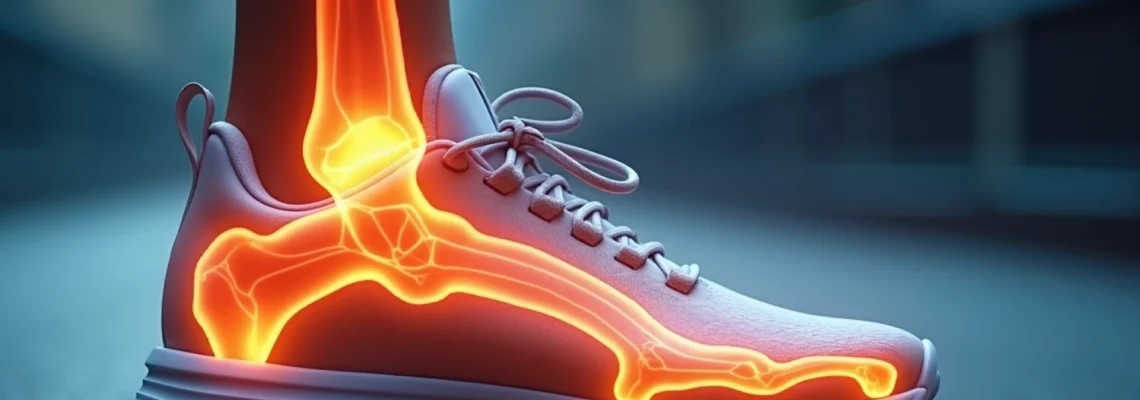
Triple arthrodesis represents one of the most significant surgical interventions for hindfoot pathology, fundamentally altering the biomechanics of walking and requiring careful consideration of footwear choices throughout the recovery process. This complex procedure, which fuses three critical joints in the rear portion of the foot, eliminates the natural side-to-side motion that many patients have already lost due to arthritis or deformity. The success of your recovery depends not only on surgical technique but also on selecting appropriate footwear that supports healing, accommodates hardware, and facilitates the transition back to normal activities.
Understanding the unique challenges posed by hindfoot fusion surgery becomes crucial when navigating the extensive recovery period. Post-operative footwear selection can significantly impact healing outcomes, patient comfort, and long-term functional success. The complete elimination of subtalar joint motion fundamentally changes how forces are distributed through the foot during weight-bearing activities, making traditional shoe recommendations inadequate for this specific patient population.
Understanding triple arthrodesis recovery and footwear requirements
The journey following triple arthrodesis involves multiple distinct phases, each with specific footwear requirements that must be carefully coordinated with your surgeon’s protocols. During the initial eight-week non-weight-bearing period, your foot remains protected in a rigid cast or splint, preventing any premature loading of the fusion sites. This extended period of immobilisation serves as the foundation for successful bone healing, but it also presents unique challenges when transitioning to therapeutic footwear.
Hindfoot fusion healing timeline and Weight-Bearing progression
The healing timeline for triple arthrodesis follows a predictable pattern that directly influences footwear selection at each stage. During the first two weeks post-surgery, wound inspection and cast application occur while maintaining strict non-weight-bearing status. Cast protection during this period often requires specialised cast shoes or protective covers that shield the immobilised limb from environmental hazards while allowing limited mobility with assistive devices.
At the six to eight-week mark, cast removal typically coincides with CT scan evaluation to assess fusion progress. This critical juncture marks the beginning of protected weight-bearing, where removable walking boots become essential. The transition to 30 pounds of body weight for brief periods requires footwear that can accommodate the gradual increase in loading while maintaining stability and protection of the healing fusion sites.
Post-surgical biomechanical changes in gait patterns
The elimination of subtalar, talonavicular, and calcaneocuboid joint motion creates significant biomechanical adaptations that persist throughout your lifetime. Compensatory movements typically develop in adjacent joints, particularly the ankle and midfoot regions, as your body adapts to the loss of hindfoot flexibility. These adaptations require footwear features that support the new movement patterns while minimising stress on compensating structures.
Research demonstrates that patients develop altered gait mechanics within the first three months following surgery, with some adaptations continuing to evolve for up to nine months post-operatively. The rigid hindfoot complex requires external support systems through footwear to maintain proper alignment and reduce excessive stress on the ankle joint above and the midfoot joints below the fusion mass.
Ankle-foot complex stability following subtalar joint fusion
Subtalar joint fusion, as part of the triple arthrodesis procedure, eliminates the primary mechanism for accommodating uneven terrain and absorbing rotational forces during walking. This fundamental change in foot mechanics necessitates external stability features in your footwear to compensate for the loss of natural joint motion. Rigid sole construction becomes particularly important as it prevents excessive bending forces that could stress the fusion sites or create compensatory problems in adjacent joints.
The ankle joint above the fusion assumes greater responsibility for motion and shock absorption, often leading to increased stress and potential long-term complications. Proper footwear selection can mitigate these concerns by providing adequate cushioning and support systems that reduce the overall impact forces transmitted through the ankle complex during daily activities.
Managing postoperative swelling and tissue adaptation
Significant swelling persists for six to nine months following triple arthrodesis, requiring footwear with adjustable accommodation features throughout the recovery period. Volume fluctuations in the foot and ankle can vary dramatically from morning to evening, necessitating closure systems that allow for easy adjustment without compromising support or stability. Traditional laced shoes often prove inadequate during this period due to their limited adjustability range.
The inflammatory response associated with bone healing and tissue remodeling creates additional challenges for footwear fitting. Custom orthotics may require multiple adjustments during the first year as swelling resolves and the foot assumes its final post-surgical configuration. Removable insole systems provide the flexibility needed to accommodate these changes while maintaining proper foot positioning and pressure distribution.
Medical-grade footwear features for triple arthrodesis patients
Medical-grade footwear for triple arthrodesis patients must incorporate specific design elements that address the unique biomechanical challenges created by hindfoot fusion. Unlike standard athletic or comfort shoes, therapeutic footwear for this population requires engineering specifications that prioritise joint protection, stability, and accommodation of post-surgical anatomy. Understanding these critical features enables you to make informed decisions about footwear investments that will support your long-term functional success.
Rigid sole construction and carbon fibre plate technology
Carbon fibre plates embedded within the midsole provide exceptional rigidity while maintaining lightweight characteristics essential for reducing energy expenditure during walking. These advanced materials prevent excessive bending through the midfoot region, which could create stress concentrations at the edges of the fusion mass or overload adjacent joints. The rigid sole construction also facilitates the rocker-bottom effect that becomes crucial for forward propulsion when normal push-off mechanics are compromised.
Steel shank systems offer an alternative to carbon fibre technology, providing similar rigidity benefits at a lower cost point. However, the additional weight of steel construction may prove problematic for patients with residual weakness or balance concerns following extended periods of immobilisation. The choice between materials often depends on individual activity levels and specific functional requirements identified during the rehabilitation process.
Custom orthotic accommodation and removable insole systems
Removable insole systems provide essential volume adjustment capabilities while creating space for custom orthotic devices prescribed by your healthcare team. Depth accommodation becomes particularly important when significant hardware placement or residual swelling affects the internal foot dimensions. Standard shoe depths often prove inadequate for accommodating both the post-surgical foot changes and the therapeutic devices required for optimal function.
The ability to remove factory insoles allows for precise customisation of the internal shoe environment. This feature proves invaluable when multiple orthotic modifications are required during the healing process or when seasonal swelling patterns necessitate temporary volume adjustments. Quality removable insole systems should provide adequate cushioning even when orthotic devices are not utilised.
Ptfe-lined interior materials for friction reduction
Polytetrafluoroethylene (PTFE) lining materials significantly reduce friction coefficients between the foot and shoe interior, minimising the risk of pressure ulcerations or hot spots during the adaptation period. Friction reduction becomes particularly important when altered gait patterns create abnormal pressure distributions within the shoe. The slippery characteristics of PTFE help prevent skin breakdown while accommodating the subtle movement patterns that develop as patients adapt to their new foot mechanics.
Seamless interior construction works synergistically with PTFE materials to eliminate potential pressure points that could become problematic during extended wear periods. The combination of these features creates an environment that supports healing while allowing for the gradual increase in activity levels throughout the recovery process.
Adjustable closure systems and velcro strap configurations
Multiple-strap closure systems provide superior adjustability compared to traditional lacing mechanisms, particularly important when hand function may be compromised by pain medications or when fine motor control is affected by the overall surgical stress response. Velcro configurations allow for quick adjustments throughout the day as swelling patterns change, ensuring consistent fit and support without requiring complete shoe removal.
The positioning of closure straps must avoid areas where surgical incisions or hardware placement could create pressure sensitivity. Quality therapeutic footwear incorporates padding beneath closure points and utilises wide-distribution straps that spread pressure over larger surface areas. This attention to closure system design prevents the development of secondary complications that could compromise the overall recovery process.
Heel counter reinforcement and Medial-Lateral stability control
Rigid heel counter construction provides essential medial-lateral stability control when natural subtalar joint motion is eliminated. External stability systems must compensate for the loss of intrinsic foot stability mechanisms while preventing excessive stress on the ankle joint above. The heel counter design should extend sufficiently high to provide adequate control without interfering with ankle joint motion or creating pressure over bony prominences.
Extended medial posting systems work in conjunction with rigid heel counters to control excessive foot motion during the loading phase of gait. These features become particularly important when residual deformity exists or when compensatory movement patterns develop during the adaptation period. The combination of heel counter reinforcement and medial support creates a stable platform that reduces stress on healing fusion sites while promoting proper alignment throughout the kinetic chain.
Therapeutic shoe brands and models for hindfoot fusion recovery
Selecting appropriate footwear from established therapeutic shoe manufacturers ensures access to the engineering expertise and quality construction required for successful triple arthrodesis recovery. These specialised companies understand the unique biomechanical requirements of post-surgical patients and incorporate evidence-based design features into their product lines. Brand reputation in the medical footwear industry often correlates with long-term durability and consistent performance characteristics that prove essential during extended recovery periods.
Hoka one one bondi series for maximum cushioning support
The Hoka Bondi series incorporates maximal cushioning technology that provides exceptional shock absorption capabilities crucial for protecting fused joints from impact forces. Meta-rocker geometry built into the sole design facilitates smooth forward propulsion when normal toe-off mechanics are compromised by hindfoot rigidity. The substantial midsole height creates a cushioning platform that reduces ground reaction forces while maintaining stability through the gait cycle.
Wide platform construction in the Bondi series enhances medial-lateral stability without requiring excessive weight, making these shoes particularly suitable for patients with balance concerns following extended periods of immobilisation. The engineered mesh upper provides accommodation for swelling while maintaining structural support through strategic reinforcement zones.
New balance 928v3 motion control walking shoes
New Balance 928v3 shoes feature dual-density midsole construction with extended medial posting systems specifically designed to control excessive pronation forces. Motion control technology becomes particularly valuable when compensatory movement patterns develop following hindfoot fusion surgery. The ROLLBAR posting system provides structured support that guides foot motion while reducing stress on adjacent joints.
The removable insole system in the 928v3 allows for custom orthotic accommodation while providing adequate depth for post-surgical foot changes. Premium leather construction offers durability and shape retention essential for maintaining proper fit characteristics throughout the extended recovery period.
Brooks addiction walker with extended medial post
Brooks Addiction Walker shoes incorporate progressive diagonal rollbar technology that provides structured support through the entire stance phase of gait. Extended medial posting controls excessive foot motion while the slip-resistant outsole provides confident traction on various surfaces. The full-grain leather upper offers superior durability and accommodation compared to synthetic alternatives.
Moisture management systems within the Addiction Walker help maintain a healthy foot environment during extended wear periods, particularly important when activity levels are gradually increasing throughout the recovery process. The generous toe box provides accommodation for any residual swelling or hardware prominence that may affect fit requirements.
ASICS GEL-Nimbus series shock absorption technology
ASICS GEL-Nimbus shoes utilise dual-layer gel cushioning systems strategically positioned in the heel and forefoot regions to provide targeted shock absorption. Impact attenuation becomes crucial for protecting fused joints from the repetitive loading forces encountered during daily activities. The gel technology provides consistent performance characteristics that do not deteriorate significantly with use, ensuring long-term protection throughout the recovery period.
FluidRide midsole technology complements the gel systems by providing responsive cushioning that adapts to individual gait patterns while maintaining structural integrity. The seamless upper construction eliminates potential pressure points while providing secure foot containment essential for stability during the adaptation phase.
Custom orthopaedic footwear solutions and prescription options
When standard therapeutic footwear proves inadequate for addressing individual post-surgical requirements, custom orthopaedic footwear provides the ultimate solution for complex cases. These prescription devices are fabricated specifically for your unique foot anatomy and functional requirements, incorporating precise measurements and biomechanical assessments performed by certified pedorthists or orthotists. Custom fabrication allows for incorporation of specific design modifications that address residual deformities, accommodate prominent hardware, or provide targeted pressure relief over sensitive areas.
The prescription process typically involves detailed casting or digital scanning of both feet, even when only one foot has undergone surgery, to ensure proper biomechanical alignment and prevent secondary complications in the contralateral extremity. Gait analysis may be incorporated into the fitting process to identify compensatory movement patterns that require specific footwear modifications. The investment in custom footwear often proves cost-effective when considering the prevention of secondary complications and the improvement in overall functional outcomes.
Insurance coverage for custom orthopaedic footwear varies significantly depending on specific policy provisions and the documented medical necessity. Medicare and many private insurers provide coverage when specific criteria are met, including failed conservative treatment with standard therapeutic footwear and documented functional limitations that impact activities of daily living. Working with certified providers who understand insurance requirements can facilitate the approval process and ensure proper documentation of medical necessity.
Progressive footwear transition protocols throughout recovery phases
The transition from protective casting to therapeutic footwear requires careful coordination with your surgical team to ensure appropriate timing and progression of weight-bearing activities. Phase-based protocols provide structured guidelines for advancing footwear requirements while monitoring healing progress and functional improvements. Each phase incorporates specific milestones that must be achieved before progressing to the next level of activity and corresponding footwear requirements.
During the initial protected weight-bearing phase, removable walking boots provide the primary means of foot protection while allowing for wound inspection and gradual activity progression. The transition to therapeutic shoes typically occurs around the 12-week mark, coinciding with radiographic evidence of fusion progress and resolution of acute inflammatory responses. This timing may vary based on individual healing rates, presence of complications, or specific surgeon preferences.
The final transition to long-term therapeutic footwear usually occurs between four to six months post-surgery, when swelling has significantly resolved and gait patterns have stabilised. This phase requires careful assessment of functional requirements and activity goals to ensure appropriate footwear selection. Progressive loading protocols during this transition period help identify any remaining deficiencies in foot function or areas requiring additional support through footwear modifications.
Activity-specific footwear may be required as patients return to recreational or occupational activities that place different demands on the fused foot. Hiking boots, work shoes, or athletic footwear must incorporate the same stability and support principles while meeting the specific requirements of the intended activity. The gradual introduction of varied footwear types helps identify any limitations or modifications needed for successful return to previous activity levels.
Long-term footwear considerations for subtalar and talonavicular joint fusion
The permanent nature of triple arthrodesis creates lifelong footwear requirements that must be understood and planned for throughout the patient’s remaining years. Long-term considerations extend beyond the initial recovery period and encompass the ongoing maintenance of foot health, prevention of adjacent joint problems, and adaptation to age-related changes in foot structure and function. Understanding these factors enables informed decision-making about footwear investments and replacement schedules that support continued mobility and comfort.
Adjacent joint arthritis represents a common long-term complication following hindfoot fusion, with the ankle joint bearing increased stress due to the loss of subtalar motion. Proper footwear selection throughout the patient’s lifetime can significantly impact the development and progression of adjacent joint problems. Preventive strategies through appropriate footwear choices may delay or prevent the need for additional surgical interventions while maintaining functional independence.
Age-related changes in foot structure, including loss of fat pad cushioning and development of forefoot deformities, require periodic reassessment of footwear requirements. The fused hindfoot may not accommodate these changes as readily as normal feet, necessitating more frequent footwear modifications or replacements. Regular follow-up with healthcare providers specialising in foot and ankle care ensures timely identification of changing requirements and appropriate footwear recommendations.
Professional consultation with certified pedorthists or prosthetists often proves essential when standard options fail to meet specific requirements. These specialists possess the technical expertise needed to evaluate complex post-surgical cases and recommend appropriate modifications or custom solutions. Insurance pre-authorization requirements should be addressed early in the consultation process to prevent delays in obtaining necessary custom devices.
The fabrication timeline for custom orthopaedic footwear typically ranges from four to eight weeks, depending on the complexity of modifications required and the specific manufacturing processes involved. Multiple fitting sessions may be necessary to achieve optimal results, particularly when significant anatomical changes have occurred following surgery. Quality custom manufacturers provide adjustment periods during which minor modifications can be made without additional charges.
Maintenance and replacement schedules for custom footwear require careful planning, as these devices represent significant investments in long-term foot health. Regular inspection for wear patterns, structural integrity, and continued proper fit ensures optimal performance throughout the device’s lifespan. Replacement criteria should be established with your provider to ensure timely updates when functional requirements change or when normal wear compromises device effectiveness.
Documentation requirements for insurance coverage often necessitate detailed medical records demonstrating the specific functional limitations addressed by custom footwear. Working with healthcare providers who understand these requirements can facilitate the approval process and ensure proper justification for the medical necessity of custom devices. Regular follow-up appointments help maintain the documentation needed for future replacements or modifications.
Quality assurance standards in custom orthopaedic footwear manufacturing ensure consistent results and appropriate performance characteristics. Reputable manufacturers maintain certifications from relevant professional organizations and adhere to established quality control protocols. Warranty provisions typically cover manufacturing defects and provide reasonable protection for the significant financial investment required for custom solutions.
Material selection for custom footwear incorporates considerations specific to post-surgical requirements, including accommodation for hardware prominence, management of residual swelling, and prevention of pressure-related complications. Advanced materials such as thermoplastic composites, memory foam systems, and moisture-wicking fabrics can be incorporated based on individual needs and functional requirements.
The collaboration between orthopaedic surgeons, pedorthists, and physical therapists creates a comprehensive approach to custom footwear prescription that addresses all aspects of post-surgical recovery. This multidisciplinary team approach ensures that footwear recommendations align with surgical objectives, rehabilitation protocols, and long-term functional goals. Regular communication between team members facilitates timely adjustments and modifications as recovery progresses.
Progressive footwear transition protocols throughout recovery phases
The systematic progression through different footwear types requires careful monitoring of healing milestones and functional improvements to ensure appropriate timing for each transition. Evidence-based protocols provide structured guidelines that minimise the risk of complications while optimising recovery outcomes. These protocols must be individualised based on patient-specific factors including age, activity level, healing response, and presence of comorbidities that may affect recovery rates.
Initial cast boot protection during the first eight weeks post-surgery serves as the foundation for all subsequent footwear transitions. The quality and design of cast protection devices can significantly impact patient comfort and compliance during this critical healing period. Proper cast shoe selection should prioritise protection from environmental hazards while maintaining the non-weight-bearing status required for optimal fusion outcomes.
The transition to removable walking boots typically occurs following radiographic confirmation of early fusion progress and resolution of acute post-surgical inflammation. This phase requires careful attention to proper boot fitting, as incorrect sizing can create pressure points or inadequate support that compromises healing outcomes. Progressive weight-bearing protocols during this phase must be strictly followed to prevent complications while allowing for gradual tissue adaptation.
Therapeutic shoe introduction marks a significant milestone in the recovery process, representing the patient’s transition toward more normal daily activities. This phase typically begins around 12-16 weeks post-surgery, depending on individual healing rates and surgeon preferences. The selection criteria for initial therapeutic shoes must prioritise stability and protection while providing adequate accommodation for any residual swelling or sensitivity.
Activity-specific footwear requirements emerge as patients progress toward their pre-surgical activity levels or adapt to new functional limitations. Different activities place varying demands on the fused foot complex, necessitating specialised footwear features for optimal performance and joint protection. Gradual activity progression allows for identification of specific footwear requirements while monitoring for any adverse responses to increased loading.
The development of backup footwear systems ensures continuity of appropriate support when primary shoes require maintenance or replacement. Having multiple appropriate footwear options prevents interruptions in the recovery process while providing variety that can improve compliance with therapeutic recommendations. This planning becomes particularly important as patients return to work or recreational activities with specific footwear requirements.
Seasonal considerations in footwear transitions require planning for weather-related challenges and activity modifications. Winter footwear must maintain the same stability and support principles while providing adequate traction and protection from environmental conditions. Summer options may require different closure systems or materials to accommodate increased swelling or temperature-related comfort issues.
Documentation of footwear progression helps track recovery milestones and identify any issues that may require intervention or modification. Regular assessment of functional improvements and any developing complications ensures timely adjustments to footwear recommendations. Objective measurements of gait parameters, balance, and pain levels provide valuable feedback for optimising footwear selection throughout the recovery process.
Long-term footwear considerations for subtalar and talonavicular joint fusion
The permanent alterations in foot biomechanics following triple arthrodesis create lifelong requirements for specialised footwear that extend far beyond the initial recovery period. Understanding these long-term implications enables patients to make informed decisions about footwear investments and develop strategies for maintaining optimal foot health throughout their remaining years. Proactive planning for these ongoing needs prevents the development of secondary complications and maintains functional independence as patients age.
Adjacent joint preservation becomes a primary concern in long-term footwear selection, as the increased stress on remaining mobile joints can lead to accelerated arthritis development. The ankle joint above the fusion and the midfoot joints below bear additional loads that must be managed through appropriate footwear support systems. Research indicates that patients with well-supported hindfoot fusions experience significantly lower rates of adjacent joint problems compared to those using inadequate footwear.
Age-related changes in foot structure and function require periodic reassessment of footwear requirements throughout the patient’s lifetime. The natural loss of fat pad cushioning, development of forefoot deformities, and changes in skin elasticity all impact footwear fit and function. Regular evaluation schedules with qualified healthcare providers ensure timely identification of changing needs and appropriate footwear modifications.
Lifestyle modifications may become necessary as patients adapt to the limitations imposed by hindfoot fusion while maintaining active, productive lives. Career considerations, recreational activities, and travel requirements all influence long-term footwear planning. The investment in appropriate footwear often proves cost-effective when considering the prevention of secondary complications and the maintenance of quality of life.
Emerging technologies in therapeutic footwear continue to improve options for long-term management of fused feet. Advanced materials, improved manufacturing techniques, and better understanding of post-surgical biomechanics contribute to the development of more effective footwear solutions. Staying informed about these developments ensures access to the most appropriate options as they become available.
Insurance considerations for long-term footwear needs require understanding of coverage limitations and replacement schedules. Many policies provide periodic allowances for therapeutic footwear that can help offset the ongoing costs associated with specialised shoes. Documentation requirements for continued coverage often necessitate regular follow-up appointments and functional assessments to justify ongoing medical necessity.
The psychological aspects of long-term footwear dependence should not be underestimated, as many patients struggle with the permanent nature of their footwear limitations. Counseling resources and support groups can provide valuable assistance in adapting to these lifestyle changes while maintaining a positive outlook on functional outcomes. Understanding that appropriate footwear enables rather than restricts activity helps patients maintain motivation for compliance with recommendations.
Quality of life improvements achievable through appropriate long-term footwear selection often exceed patient expectations when proper planning and selection occur. The ability to maintain employment, participate in family activities, and pursue recreational interests depends largely on having adequate footwear support systems. Regular reassessment and updates to footwear recommendations ensure continued optimisation of functional outcomes throughout the patient’s lifetime.
Estate planning considerations should include provisions for ongoing footwear needs, particularly for elderly patients or those with progressive conditions that may affect their ability to manage their own care. Family members should be educated about the importance of maintaining appropriate footwear and the resources available for obtaining necessary replacements or modifications. Continuity of care planning ensures that footwear needs continue to be met even when patients can no longer advocate for themselves.