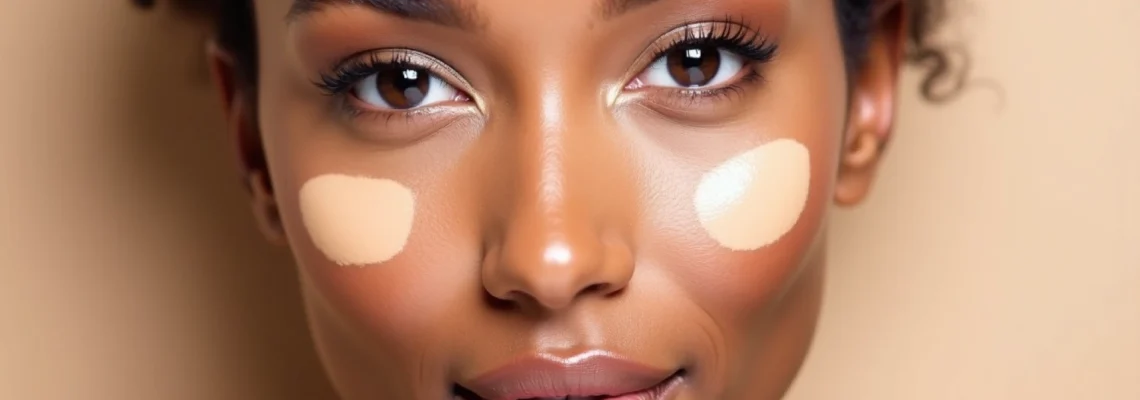
The world of mineral makeup has evolved dramatically since its early days of chalky, uneven coverage. Today’s full-coverage mineral foundations represent a sophisticated fusion of cutting-edge cosmetic science and natural ingredients, offering unprecedented performance that rivals traditional liquid formulations. These advanced formulas deliver exceptional opacity whilst maintaining the skin-friendly benefits that made mineral cosmetics famous—breathability, sun protection, and gentle compatibility with sensitive skin types.
Modern full-coverage mineral foundations utilise precisely engineered particle technology and refined mineral pigment systems to achieve professional-level results. Unlike their predecessors, these contemporary formulations provide seamless blendability, customisable coverage levels, and extended wear performance that meets the demands of today’s beauty enthusiasts. The integration of innovative ingredients such as non-nano zinc oxide particles and silica microspheres has transformed these products into sophisticated colour cosmetics that perform exceptionally across diverse skin types and conditions.
Zinc oxide vs titanium dioxide mineral foundation formulations
The backbone of any exceptional mineral foundation lies in its primary mineral components, with zinc oxide and titanium dioxide serving as the fundamental building blocks for coverage, protection, and skin compatibility. These two minerals function as both active ingredients and colour bases, determining the foundation’s opacity, finish, and protective capabilities. Understanding their distinct properties enables informed selection of formulations that align with specific skin needs and coverage preferences.
Zinc oxide typically constitutes 15-25% of full-coverage mineral foundation formulas, providing excellent opacity alongside natural antimicrobial properties. This concentration delivers significant visual coverage whilst maintaining the lightweight feel characteristic of premium mineral cosmetics. Titanium dioxide, conversely, comprises 5-15% of most formulations, contributing to the foundation’s opacity and offering superior photostability under various lighting conditions.
Non-nano zinc oxide particle technology in full coverage formulas
Contemporary mineral foundation manufacturing employs non-nano zinc oxide particles measuring between 100-300 nanometres, significantly larger than their nano counterparts. This particle size delivers exceptional coverage properties whilst remaining on the skin’s surface, providing better visibility under microscopic examination and enhanced safety profiles. The larger particles create a more substantial barrier against environmental aggressors whilst maintaining the natural, breathable finish that distinguishes quality mineral foundations.
These precisely sized particles interlock when applied correctly, forming a seamless coverage layer that appears natural under both artificial and natural lighting. The non-nano formulation approach addresses consumer concerns regarding particle penetration whilst delivering superior colour payoff and blendability compared to traditional micro-fine mineral powders.
Titanium dioxide concentration levels for opacity and UV protection
Titanium dioxide concentrations in full-coverage mineral foundations typically range from 8-12%, with premium formulations utilising specially treated particles for enhanced dispersion and colour clarity. This mineral contributes significantly to the foundation’s opacity whilst providing broad-spectrum UV protection, though regulatory requirements prevent most mineral foundations from making specific SPF claims without additional testing protocols.
The particle coating technology applied to titanium dioxide in modern formulations improves skin compatibility whilst maintaining excellent colour stability. These coated particles resist oxidation and colour shifting throughout wear, ensuring consistent appearance from application through removal. Advanced formulations often incorporate multiple titanium dioxide particle sizes to optimise both coverage and finish characteristics.
Iron oxide pigment systems for natural skin tone matching
Iron oxide pigments provide the colour foundation necessary for accurate skin tone matching, typically comprising 3-8% of full-coverage mineral foundation formulas. These naturally occurring minerals offer exceptional colour stability and compatibility with sensitive skin types. Red iron oxide (CI 77491), yellow iron oxide (CI 77492), and black iron oxide (CI 77499) combine in precise ratios to create the extensive shade ranges available in premium mineral foundations.
The quality of iron oxide processing directly impacts the foundation’s final appearance and blendability. Micronised iron oxides undergo special treatment processes to ensure uniform particle size distribution and eliminate impurities that could cause skin irritation or colour inconsistencies. This attention to pigment quality distinguishes professional-grade mineral foundations from mass-market alternatives.
Silica microsphere integration for oil control properties
Silica microspheres represent a significant advancement in mineral foundation technology, providing oil-absorbing properties whilst maintaining the formula’s lightweight characteristics. These spherical particles, typically measuring 1-10 micrometres, create a mattifying effect without compromising coverage or blendability. Their unique structure allows them to absorb excess sebum throughout the day whilst maintaining the foundation’s natural finish.
The integration of silica microspheres enables full-coverage mineral foundations to perform exceptionally on combination and oily skin types. These particles work synergistically with other mineral components to provide extended wear performance and reduced shine without creating a heavy or mask-like appearance.
Professional mineral foundation application techniques and tools
Achieving optimal results with full-coverage mineral foundations requires understanding the interplay between application techniques, tool selection, and product characteristics. Professional makeup artists recognise that mineral foundations behave differently from liquid formulations, requiring specific approaches to achieve seamless, buildable coverage. The application method significantly influences the final appearance, coverage level, and longevity of the mineral foundation.
Successful mineral foundation application begins with proper skin preparation, including appropriate moisturisation and primer selection when necessary. The skin should be clean, well-hydrated, and allowed sufficient time for skincare products to absorb before foundation application. This preparation creates the optimal canvas for mineral foundation adherence and blending.
Kabuki brush density requirements for buildable coverage
Professional-grade kabuki brushes designed for mineral foundation application feature specific density requirements that enable effective product pickup and distribution. The ideal kabuki brush contains 200-300 natural or high-quality synthetic bristles per square centimetre, providing sufficient density to work the mineral particles into the skin whilst maintaining controlled application. Brush head diameter typically ranges from 2.5-3.5 centimetres, allowing precise placement and blending.
The bristle composition affects both product performance and skin comfort during application. Natural bristles, particularly goat hair, offer excellent powder retention and gentle application, whilst high-quality synthetic alternatives provide consistent performance with easier maintenance. The brush’s ferrule design and handle weight contribute to application control and user comfort during extended use.
Stippling motion application for maximum pigment payoff
The stippling technique involves gentle pressing motions that work the mineral particles into the skin’s surface, maximising pigment payoff whilst maintaining natural-looking coverage. This method differs significantly from traditional foundation blending techniques, requiring patience and gradual building rather than sweeping motions. Proper stippling involves brief, light pressure applications followed by gentle circular buffing to blend edges seamlessly.
Professional application protocols recommend starting with minimal product and building coverage gradually through repeated stippling motions. This approach prevents over-application whilst allowing precise control over coverage levels in different facial areas. Areas requiring additional coverage can receive targeted stippling without disturbing previously applied foundation.
Beauty blender pressing techniques for seamless blending
Damp beauty sponges provide an alternative application method that creates particularly smooth, seamless finishes with full-coverage mineral foundations. The pressing technique involves gentle tapping motions that blend the mineral particles without disturbing the underlying coverage. A slightly damp sponge prevents excessive product absorption whilst facilitating smooth blending and natural-looking transitions between coverage areas.
The sponge’s texture and dampness level significantly impact the final result. A barely damp sponge provides more coverage and precision, whilst increased moisture content creates a more natural, skin-like finish. This technique works particularly well for blending around the eye area and other delicate facial regions requiring gentle handling.
Setting powder layering methods for extended wear
Strategic setting powder application enhances the longevity and performance of full-coverage mineral foundations, particularly in areas prone to oil breakthrough or movement. Translucent setting powders applied with a fluffy brush create an additional barrier that locks the mineral foundation in place without compromising its natural appearance. Light dusting motions prevent over-powdering whilst ensuring adequate coverage of all applied areas.
Professional techniques often incorporate selective setting, focusing on the T-zone, under-eye area, and other regions requiring enhanced staying power. This targeted approach maintains the mineral foundation’s natural finish whilst providing extended wear where most needed. The setting powder selection should complement the mineral foundation’s undertone and finish characteristics.
Clinical performance testing and SPF verification standards
The regulatory landscape surrounding mineral foundation performance claims requires rigorous testing protocols to substantiate coverage, wear-time, and sun protection assertions. Clinical testing methodologies for full-coverage mineral foundations encompass wear-resistance studies, photostability assessments, and dermatological compatibility evaluations. These comprehensive testing programmes ensure product safety and efficacy claims align with actual performance characteristics.
SPF verification for mineral foundations presents unique challenges due to their powder format and application variables. While zinc oxide and titanium dioxide provide inherent sun protection properties, achieving consistent SPF ratings requires controlled application thickness and uniform distribution. Most mineral foundations provide incidental sun protection rather than primary photoprotection, with actual SPF levels depending heavily on application technique and coverage density.
Professional testing protocols demonstrate that full-coverage mineral foundations typically provide SPF 8-15 protection when applied at standard cosmetic usage levels, though this varies significantly based on application thickness and technique.
Photostability testing evaluates how mineral foundation components maintain their protective and aesthetic properties under UV exposure. Quality formulations demonstrate minimal colour shift and maintained coverage properties after standardised light exposure protocols. These tests ensure the foundation’s appearance and performance remain consistent throughout typical wear periods, even under challenging environmental conditions.
Dermatological testing encompasses patch testing, comedogenicity assessment, and sensitive skin compatibility evaluation. Full-coverage mineral foundations undergo clinical evaluation to verify their non-comedogenic properties and suitability for acne-prone skin types. These studies typically involve 4-6 week testing periods with diverse participant groups representing various skin types and sensitivities.
Top-rated full coverage mineral foundation brand analysis
The contemporary mineral foundation market features several brands that have mastered the complex formulation requirements for full-coverage products whilst maintaining the skin-friendly characteristics that define quality mineral cosmetics. These leading manufacturers employ advanced particle technology, extensive shade development programmes, and rigorous quality control measures to deliver consistent, professional-grade results.
Brand differentiation in the full-coverage mineral foundation category often centres on particle technology, shade range comprehensiveness, and additional skin-beneficial ingredients. Premium brands invest significantly in research and development to optimise coverage, blendability, and wear characteristics whilst maintaining clean, mineral-based formulations that appeal to health-conscious consumers.
Bareminerals original foundation SPF 15 formulation breakdown
The bareMinerals Original Foundation represents a benchmark in full-coverage mineral foundation technology, utilising a carefully balanced blend of zinc oxide, titanium dioxide, and iron oxide pigments. The formulation contains approximately 20% zinc oxide and 10% titanium dioxide, providing substantial coverage whilst maintaining breathability. The iron oxide pigment system enables comprehensive shade matching across diverse skin tones and undertones.
Advanced milling techniques ensure consistent particle size distribution throughout the formula, contributing to the smooth application and buildable coverage characteristics. The inclusion of bismuth oxychloride, though controversial in some formulations, provides additional opacity and luminosity in this specific blend. Quality control measures ensure batch-to-batch consistency and colour accuracy across the extensive shade range.
Jane iredale PurePressed base mineral coverage technology
Jane Iredale’s PurePressed Base utilises pressed powder technology that maintains the benefits of loose mineral foundations whilst offering enhanced portability and application control. The formulation incorporates micronised mineral pigments compressed using proprietary techniques that preserve particle integrity whilst creating stable, portable compacts. This technology enables full coverage application with controlled product release.
The brand’s commitment to skin-beneficial ingredients extends beyond basic mineral components, incorporating antioxidants and skin-conditioning agents that provide additional benefits during wear. The pressed format enables more precise application control, particularly beneficial for users requiring targeted coverage or professional makeup application scenarios.
INIKA loose mineral foundation certified organic ingredients
INIKA’s approach to full-coverage mineral foundation emphasises certified organic ingredients and sustainable sourcing practices whilst maintaining professional-grade performance standards. The formulation utilises organic certified minerals where possible, combined with carefully selected conventional minerals to achieve optimal coverage and skin compatibility. This hybrid approach balances performance requirements with clean beauty principles.
The brand’s commitment to ingredient transparency extends to detailed component sourcing information and third-party certifications for organic compliance. Advanced processing techniques ensure that organic certification requirements don’t compromise the foundation’s coverage capabilities or application characteristics, demonstrating that clean beauty principles can align with professional performance standards.
Youngblood natural loose mineral foundation performance metrics
Youngblood’s formulation strategy focuses on achieving maximum coverage with minimal product usage, utilising highly pigmented mineral combinations that deliver professional results with light application. The brand’s testing protocols demonstrate coverage levels comparable to traditional full-coverage liquid foundations whilst maintaining the weightless feel characteristic of quality mineral formulations.
Performance metrics include 8-10 hour wear testing, water resistance evaluation, and flash photography compatibility assessment. These comprehensive testing programmes ensure the foundation performs consistently across various real-world scenarios, from professional photography to extended wear requirements. The formulation’s stability under diverse environmental conditions contributes to its professional adoption and consumer satisfaction ratings.
Skin type compatibility and undertone matching protocols
Full-coverage mineral foundations demonstrate remarkable adaptability across diverse skin types, though optimal results require understanding the interaction between specific formulations and individual skin characteristics. Oily skin types benefit from the natural oil-absorbing properties of mineral formulations, whilst dry skin types may require additional preparation to prevent emphasised texture. Combination skin presents unique challenges requiring strategic application techniques to address varying needs across facial zones.
Undertone matching in mineral foundations requires sophisticated understanding of how mineral pigments interact with natural skin tones under various lighting conditions. The reflective properties of mineral particles can influence undertone perception, making accurate matching more complex than traditional liquid foundation selection. Professional colour matching protocols account for these variables through comprehensive lighting assessment and skin tone analysis.
Sensitive skin compatibility represents a significant advantage of quality mineral foundations, with clinical studies demonstrating reduced irritation potential compared to conventional formulations. The absence of liquid preservatives, fragrances, and chemical complexing agents typically found in traditional foundations contributes to improved tolerance amongst sensitive skin types. However, individual ingredient sensitivities, particularly to bismuth oxychloride or specific iron oxide processing methods, require careful consideration during product selection.
Clinical dermatological studies indicate that properly formulated mineral foundations show 40-60% less irritation potential compared to conventional liquid foundations, making them particularly suitable for reactive skin types.
The mineral foundation’s ability to provide customisable coverage levels through application technique makes them particularly valuable for individuals with varying coverage needs across different facial areas. This flexibility enables targeted application that addresses specific concerns whilst maintaining natural-looking results in areas requiring minimal coverage.
Ingredient safety profiles and dermatological testing requirements
Contemporary mineral foundation safety assessment encompasses comprehensive evaluation protocols that examine both immediate and long-term skin compatibility. Regulatory requirements for cosmetic safety vary globally, though leading mineral foundation manufacturers typically exceed minimum standards through voluntary testing programmes that address emerging safety concerns and evolving consumer expectations.
Particle size analysis represents a critical component of mineral foundation safety evaluation, particularly regarding inhalation concerns during application. Non-nano particle formulations address these concerns whilst maintaining performance characteristics, though proper application techniques remain essential for optimal safety and efficacy. Quality manufacturers provide detailed safety guidelines and application instructions to ensure appropriate product usage.
Microbial safety testing ensures mineral foundation formulations maintain stability and safety throughout their intended shelf life. The inherently antimicrobial properties of zinc oxide contribute to natural preservation, though additional preservation systems may be necessary depending on formulation complexity and packaging format. These testing protocols verify product safety under normal and abuse conditions to ensure consumer protection.
Heavy metal testing represents an essential safety requirement for mineral foundations due to the natural origin of primary ingredients. Rigorous testing protocols screen for lead, mercury, cadmium, and other potentially harmful elements that may occur as trace contaminants in natural minerals. Quality manufacturers implement strict testing standards that exceed regulatory requirements to ensure product safety and maintain consumer confidence in their mineral foundation formulations.